
Wine growers in Sonoma County and throughout California face a familiar challenge: maintaining clean vineyard floors while reducing reliance on conventional herbicides. Though more diversified weed management strategies have traditionally been associated with organic and regenerative farming, interest in such approaches has recently grown throughout the industry. This evolution is being driven by several factors, including evolving regulations, consumer expectations, and a growing focus on soil stewardship and ecosystem resilience.
Rather than relying on a single tool, today's most effective weed management programs emphasize integration. Growers are combining cultural practices such as cover crops, mechanical methods including mowing and cultivation, and targeted herbicide applications to create systems that are both productive and sustainable.
Bioherbicides are becoming increasingly important components of these programs. By providing additional modes of action, they help growers diversify weed control strategies while reducing dependence on a single chemistry. This is particularly valuable as vineyards adopt regenerative practices designed to improve biodiversity, enhance soil function, and support long-term sustainability while also removing weeds today.
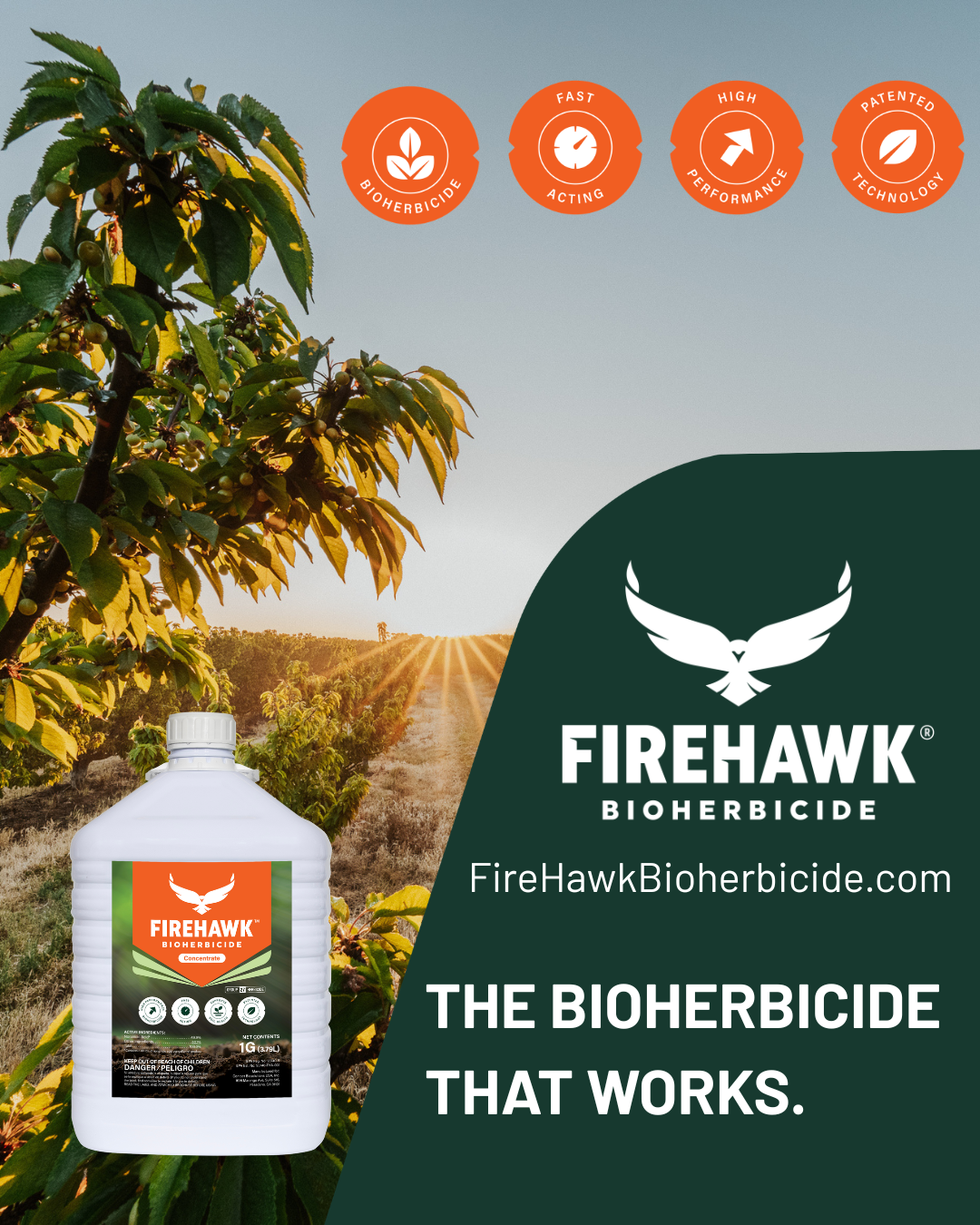
One example is FireHawk® Super Concentrate, which contains nonanoic acid (pelargonic acid), a fatty acid that occurs naturally in plants and animals. “What distinguishes FireHawk is its classification by the U.S. Environmental Protection Agency as a Biochemical Herbicide,” explains Shannon Pike, Director of Agriculture, Market Development & Strategic accounts at FireHawk Bioherbicide."EPA’s biochemical pesticide category includes naturally occurring chemicals and certain synthetically derived equivalents that meet the Agency’s criteria for biochemical pesticides."
For regenerative vineyards, maintaining healthy soil is a foundational objective. These systems prioritize practices that improve biological activity, promote diverse plant communities, and minimize unnecessary disturbances to the agricultural ecosystem. Because FireHawk utilizes a contact mode of action and is not translocated, it can be incorporated into broader integrated vineyard-management programs.
“FireHawk is not intended as a replacement for every existing weed-control practice,” says Shannon. “Rather, it offers growers additional flexibility within an integrated weed management framework. Depending on weed species, growth stage, and management objectives, FireHawk can be used alongside systemic or contact herbicides as part of a comprehensive weed management system or applied as a standalone bioherbicide for maintenance applications.”
Ultimately, vineyard weed management is about balance. Growers must maximize crop quality and yield today while protecting their land’s long-term productivity. The growing adoption of integrated, soil-focused, and regenerative management programs reflects the industry's commitment to meeting both objectives. As these programs continue to evolve, EPA-registered bioherbicides such as FireHawk® Super Concentrate can provide an additional weed-control option within broader integrated vineyard-management strategies.
As growers explore regenerative agriculture, the conversation often centers on soil management, cover crops, reduced disturbance and more diversified production systems. But there is another practical challenge that remains constant: weeds still need to be managed.
That reality is prompting an important shift in thinking. Rather than searching for a single product to replace a conventional herbicide in every situation, growers can look at weed management as a system, using different tools where they make the most agronomic sense.
Recent research illustrates why this integrated approach matters.
A study published in Weed Science evaluated alternative weed-control methods over two growing seasons in citrus, olive and vineyard systems. Researchers examined several approaches, including contact herbicides, selective herbicides, mowing and cover-crop residues, and found that performance varied by crop, weed species and management practice.
The research reinforces a practical lesson: there may not be one solution for every weed-management challenge.
Matching the Tool to the Job
Integrated weed management brings multiple strategies together rather than depending repeatedly on a single method. Depending on the operation, this may include cultural practices, mechanical control and herbicides selected for specific situations.
That philosophy is also reflected in guidance from agricultural extension programs. The University of California Statewide Integrated Pest Management Program, for example, encourages the use of multiple weed-management methods and resistance-management practices when developing weed-control programs.
This changes the question growers can ask when evaluating a new weed-management product.
Instead of simply asking:
“What does this replace?”
Consider asking:
“How does this complement my program?”
That distinction is particularly relevant for contact herbicides.
Where FireHawk Fits
FireHawk® Bioherbicide Super Concentrate provides growers with another option within an integrated weed-management program.
FireHawk Super Concentrate is a non-selective, broad-spectrum, foliar-applied contact herbicide containing 85.26% nonanoic acid. It is designed to control actively growing emerged green vegetation when used according to the registered label.
As a contact herbicide, FireHawk affects the green plant tissue coated with the spray solution. It is not translocated throughout the plant, making thorough and uniform spray coverage important.
Those characteristics help define where the product may fit within a broader agricultural weed-management program.
The registered label provides for several agricultural use methods, including vegetative burndown for seedbed or site preparation, directed and shielded sprays around desirable plants, applications before new crop growth emerges, and spot treatments in certain crop and pasture situations.
Registered crop use sites include grapes and other small fruits, citrus, pome fruit, stone fruit, nuts, field crops, vegetables and other agricultural crops identified on the product label.
FireHawk can also be used as part of certain tank-mix programs. Where residual control is desired, the label provides directions for tank mixing FireHawk with recommended soil-active herbicides, subject to the rates, restrictions, precautions and directions of all products used in the mixture.
This flexibility allows growers to evaluate where a contact herbicide fits alongside other tools already being used within the operation.
Understanding Contact Weed Control
An integrated approach also means understanding what each tool can and cannot do.
The Weed Science research provides a useful example. Pelargonic acid, a contact herbicide evaluated in the study, performed differently depending on the weeds and cropping system. The study illustrates a broader weed-management principle: weed species, growth stage, application practices and the type of management tool can influence weed-control outcomes.
Importantly, the study did not evaluate FireHawk, and its findings should not be interpreted as performance data for FireHawk.
Instead, FireHawk performance claims should be evaluated according to its registered product label.
The FireHawk Super Concentrate label states that best results are obtained when applications are made to young, succulent weeds and when spray solutions cover all leaf surfaces. Mature and woody weeds are less susceptible, and repeat applications may be needed to achieve the desired level of weed control.
The label also provides different application-rate ranges depending on the type and maturity of the vegetation being treated, including annual weeds, perennial herbaceous plants, established weeds and woody weeds.
Weather and plant condition also matter. The label notes that cool weather following treatment may slow product activity and delay or reduce visible effects.
These distinctions reinforce an important part of integrated weed management: successful programs depend on understanding the characteristics and limitations of each tool and using it according to its labeled directions.
No Residual Weed Control
Another characteristic of FireHawk is that it provides no residual weed control.
That means the product controls vegetation present at the time of application but does not prevent new plants from emerging from seed or regrowth after treatment.
For that reason, repeat treatments may be necessary when new plants emerge or treated vegetation regrows.
Where residual control is needed, growers can evaluate other labeled products or tank mix options appropriate to the use situation.
Rather than treating this characteristic as either an advantage or disadvantage, it is more useful to view it as another factor growers can consider when determining where FireHawk fits within a broader management program.
Building a Weed-Management System
Regenerative agriculture does not necessarily require replacing every existing weed-management practice with a single new solution.
Instead, growers can evaluate how different practices and products fit together based on the needs of their individual operations.
Cultural practices may have a role.
Mechanical management may have a role.
Herbicides may have a role. Contact herbicides provide another option for appropriate applications.
The objective is to match the right tool to the right job while building a weedmanagement program that works for the task at hand.
That is where products such as FireHawk Bioherbicide Super Concentrate can play a role: not as a single answer to every weed-management challenge, but as another weed-control tool growers can incorporate into an integrated program.
As biological technologies and weed-management practices continue to evolve, thinking in terms of complementary tools rather than one-for-one replacements may give growers greater flexibility when designing programs for their operations.
Always read and follow label directions. FireHawk Bioherbicide Super Concentrate should be used only according to its registered product label.
Fundraising milestone comes as the company gears up for rapid expansion
Contact BioSolutions, the maker of FireHawk® Bioherbicide, has completed a $5.6 million USD capital raise through the conversion of options, with participation exceeding 98%. This exceptional rate reflects strong confidence in the company's Board of Directors. This capital will enable the fast-acting, non-selective contact herbicide, which is already gaining traction across the United States, to speed up growth and make significant advances towards profitability.
This announcement comes on the heels of a number of other significant milestones for the company. FireHawk’s RTU product has been EPA-registered in all 50 states. Its Super Concentrate product has been registered in 48 states and is expected to gain CDPR approval to register in California this fall. Its Super Concentrate product will soon be available for order through Amazon, enabling broader commercialization across the States.
“We are thrilled about this news, especially in these tough times for startup funding,” said Dr. Frank Glatz, Managing Director at Contact BioSolutions. “This capital will provide us with a strong basis to help progress our operational plans and support us through this next phase of growth.”
The company recently secured a $25K USD order from a regenerative farm in Texas, providing them with additional working capital to expand operations while demonstrating clear momentum in the regenerative agriculture space.
FireHawk Bioherbicide uses nonanoic acid, a fatty acid formulated with patented delivery technology to control weeds, grasses, moss, and algae without residual soil activity. It begins working on contact and kills only what it touches, showing visible results in as few as 1-3 hours. FireHawk Super Concentrate contains 85.26% nonanoic acid, making it viable for a range of commercial, industrial, and agricultural settings, subject to local label approvals and regulations.
Its innovative formula has allowed FireHawk to build momentum among its target markets as users seek to navigate an evolving regulatory landscape. As the regenerative agriculture movement continues to influence crop desiccation and weed management practices across the globe, FireHawk stands poised to become a significant player in the global market.
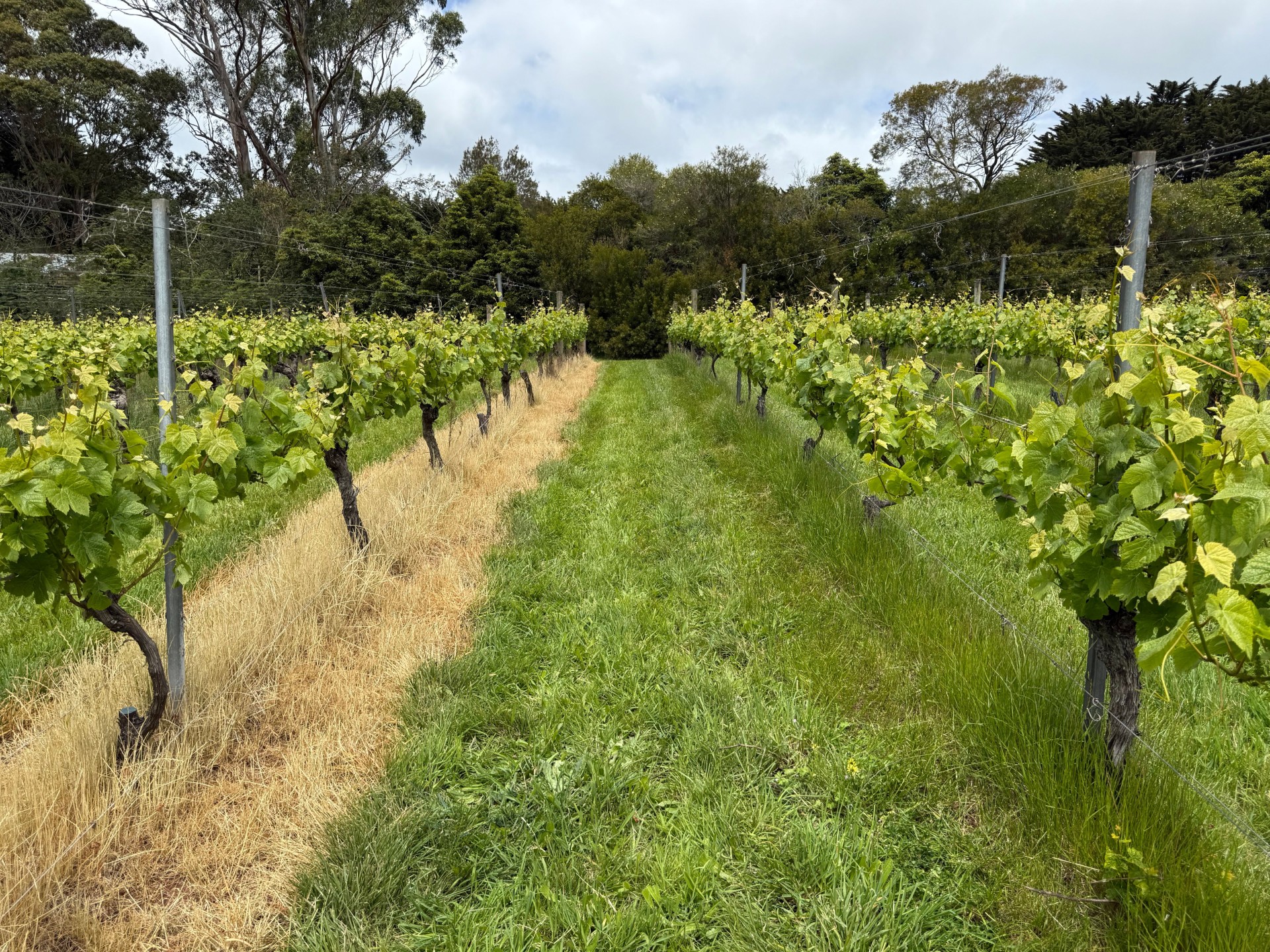
How Bioherbicides Fit Into Modern Vineyard Weed Management Programs
For decades, California's wine grape industry has been recognized as a global leader in sustainable agriculture. Programs such as the California Sustainable Winegrowing Program, Napa Green, SIP Certified, and numerous regional stewardship initiatives have encouraged vineyard managers to continually improve environmental performance while producing some of the world's highest-quality wines.
Long before regenerative agriculture became a widely recognized movement, California winegrowers were investing in practices that conserved water, protected watersheds, and increased biodiversity. As consumer expectations evolved and wineries placed greater emphasis on sustainability, growers continued searching for practices that could reduce inputs while improving the long-term health of their vineyards. One of the greatest areas of innovation has been vineyard floor management.
From Bare Ground to Living Soil
For many years, the accepted standard throughout California vineyards was to maintain a clean, vegetation-free strip beneath the vine row. Systemic and pre-emergent herbicides provided an efficient and economical way to eliminate weed competition while maximizing available soil moisture for the vines.
This approach successfully reduced weed pressure, but over time many growers began observing unintended consequences.
Repeated herbicide use beneath the vine row often coincided with declining soil function. The once-living soil beneath the vines gradually became biologically inactive. Organic matter cycling slowed, earthworm populations declined, microbial diversity decreased, and soil aggregation weakened. Water infiltration became increasingly poor, nutrient cycling diminished, and many vineyards developed compacted soils that growers often describe today as a biological "dead zone."
Perhaps nowhere has this been more noticeable than in young vineyard developments. Over the past decade, many California growers have reduced or eliminated traditional herbicides during vineyard establishment and observed healthier root development, improved vine vigor, and stronger early growth. These experiences have helped shift industry thinking from simply eliminating weeds to managing the vineyard floor as a living ecosystem.
Today, many vineyard managers recognize that the soil beneath the vines is not simply a place where vines are anchored. It is an active biological system responsible for water infiltration, nutrient cycling, carbon sequestration, root health, and long-term vineyard productivity.
The Rise of Regenerative Viticulture
As soil health research has advanced, regenerative vineyard management has continued gaining momentum throughout California.
Many growers now intentionally maintain greater vegetation diversity within vineyards to encourage beneficial insects, stimulate microbial activity, improve soil aggregation, increase organic carbon, and enhance overall ecosystem resilience.
Rather than viewing every weed as an enemy, many vineyard managers now recognize that living roots provide valuable ecological services. Carefully managed vegetation contributes organic matter, supports soil biology, improves infiltration, reduces erosion, and increases the soil's ability to withstand both prolonged drought and increasingly intense winter rainfall events.
This shift represents one of the most significant changes in California viticulture over the past decade.
The objective is no longer creating perfectly bare vineyard floors.
The objective is creating biologically functional vineyard soils that maximize vine performance while minimizing unnecessary competition.
The Challenge of Mediterranean Climates
While this new philosophy offers tremendous agronomic benefits, it also presents a practical challenge.
California's Mediterranean climate creates long, dry summers where soil moisture becomes increasingly limited. During this period, unmanaged vegetation beneath the vines can aggressively compete with grapevines for both water and nutrients. This competition is especially problematic in young vineyards, deficit-irrigated blocks, and shallow or rocky soils.
Completely abandoning weed management is rarely a practical solution.
Instead, growers need management tools that suppress excessive vegetation while preserving the biological integrity of the soil.
The Organic Dilemma
Organic vineyards face an even greater challenge.
Without conventional herbicides, most organic growers rely heavily on mechanical cultivation using weed knives, rotary hoes, finger weeders, undervine cultivators, or repeated mowing systems.
While effective at controlling weeds, these practices introduce their own compromises.
Repeated cultivation continually exposes buried weed seed to light and oxygen, often triggering additional weed germination and increasing the number of passes required throughout the season.
In heavier clay soils, repeated operation of weed knives and similar implements can create shallow compaction layers where the steel tool polishes or smears the soil profile. This reduces infiltration, restricts root exploration, and limits many of the biological processes growers are attempting to restore.
From a regenerative soil health perspective, repeated tillage also disrupts fungal networks, accelerates organic matter oxidation, reduces aggregate stability, and interrupts nutrient cycling.
Mechanical in-row mowing systems reduce soil disturbance but create another challenge.
These machines often require significant capital investment, highly trained operators, slower field speeds, specialized maintenance, and replacement parts that are frequently sourced from Europe. The result is substantially higher labor and equipment costs compared to traditional spray operations.
For many vineyards, under-vine weed management has become one of the largest annual operating expenses. Depending on vineyard design, weed pressure, and management intensity, growers may spend several hundred dollars per acre annually, with some intensive organic programs approaching or exceeding $1,000 per acre.
The industry increasingly recognizes that neither repeated tillage nor perfectly bare ground represents the long-term answer.
Bioherbicides: A New Tool for Integrated Vineyard Floor Management
This is where bioherbicides are beginning to reshape vineyard floor management.
Rather than replacing every existing practice, bioherbicides offer growers another tool within an Integrated Weed Management (IWM) program.
FireHawk® Bioherbicide is a nonanoic acid-based, contact herbicide designed to control actively growing emerged vegetation through contact when used according to the label.
One of the greatest advantages is that most vineyards can utilize the same spray equipment already used for conventional herbicide applications. This dramatically lowers the financial barrier to adoption compared with purchasing specialized cultivation or mowing equipment.
Rather than investing in expensive machinery, growers can continue using familiar spray equipment as part of their weed management program.
Bioherbicides also provide growers with another weed management option that can be incorporated into integrated vineyard management programs.
The goal is no longer maintaining sterile, vegetation-free soil beneath every vine.
Instead, growers can selectively suppress vegetation when competition becomes excessive while allowing periods of living ground cover.
Looking Ahead
California winegrowers have always demonstrated a willingness to innovate.
Whether adopting deficit irrigation, cover cropping, sustainability certification, precision viticulture, or regenerative agriculture, the industry has consistently evolved to meet new environmental, economic, and consumer expectations.
Vineyard floor management is now undergoing a similar transformation.
The future is unlikely to consist of completely bare vineyard floors or unmanaged vegetation. Instead, successful growers will continue developing integrated systems that combine cover crops, biological diversity, grazing where appropriate, mechanical management, cultivation when necessary, and biologically based weed control technologies.
Bioherbicides such as FireHawk® represent an important addition to the toolbox, providing growers with another practical option for integrated weed management.
Ultimately, the evolution of vineyard floor management is about balancing effective weed management with the operational needs of modern vineyards. As California viticulture continues to evolve, growers will continue evaluating a range of cultural, mechanical, and chemical tools to develop programs that best fit their production goals.
As California viticulture continues to evolve, the most successful vineyards will likely be those that recognize the vineyard floor not as something to eliminate, but as one of the most valuable biological assets in the entire production system.
Vineyard managers are constantly balancing labor efficiency, operational demands, site conditions, and weed management objectives. As the industry continues to evolve, many vineyards are exploring how bioherbicides can complement their existing weed management programs. Bioherbicides are not new, but interest in these products has grown as vineyard managers look for additional weed management tools to address a variety of operational needs. Understanding where bioherbicides fit within a broader strategy can help professionals make informed decisions for different vineyard applications.
Fast Visual Results
One reason vineyard managers are evaluating certain bioherbicides is their ability to provide visible results quickly under favorable environmental conditions.
Fast visual feedback can be especially valuable in vineyard rows, around trellis systems, fence lines, equipment storage areas, and other highly visible operational spaces. When weeds are actively growing and conditions are favorable, visible effects may appear within hours. This allows vineyard teams to observe treatment effects quickly and assess progress throughout the growing season.
Flexibility Around Vineyard Operations
Timing is critical in vineyard management. From seasonal maintenance and irrigation management to harvest preparation and general vineyard upkeep, managers often need weed control solutions that fit within busy operational schedules.
Certain bioherbicide solutions provide contact weed control without residual herbicidal activity in the soil when used according to the label. This characteristic may offer additional flexibility when planning vineyard maintenance activities and managing areas where ongoing cultivation or planting work is taking place.
Supporting Operational Efficiency
Labor continues to be a significant consideration for vineyard operations. Managers are constantly looking for ways to maximize efficiency while maintaining productive growing environments.
Having multiple weed management tools available allows vineyard teams to select the right solution for specific site conditions and operational goals. Bioherbicides can play a role where fast-acting contact weed control is desired, helping crews maintain vineyard grounds and infrastructure throughout the season.
Meeting Evolving Operational Needs
Every vineyard operates differently. Factors such as location, climate, terrain, production goals, and management practices all influence weed management decisions.
As vineyard managers evaluate available tools, many are looking for solutions that can be incorporated into existing weed management programs while helping address specific operational needs. Understanding a range of weed management options helps professionals make informed decisions based on the unique needs of their vineyards.
Another Tool in the Toolbox
Successful weed management rarely relies on a single approach. Vineyard managers often combine cultural practices, mechanical methods, and product solutions as part of an integrated management strategy.
As interest in alternative weed management technologies continues to grow, bioherbicides are becoming an increasingly common addition to the vineyard management toolbox. Understanding where these products fit within a broader weed management program gives vineyard professionals additional flexibility when planning and maintaining their operations.
As the industry evolves, access to a diverse range of weed management tools can help vineyard managers remain adaptable, responsive, and prepared for the challenges of modern vineyard management.
Representing Contact BioSolutions, maker of FireHawk® Bioherbicide, Managing Director Dr. Frank Glatz participated in roundtable discussions centered on regenerative agriculture, operational challenges, and the growing interest in additional weed management tools.
Across agriculture, regenerative practices continue gaining momentum as growers, land managers, researchers, and policymakers look for ways to improve soil stewardship, reduce operational pressures, and build long-term resilience. But as adoption increases, many conversations are beginning to focus less on theory and more on implementation, especially when it comes to weed management.
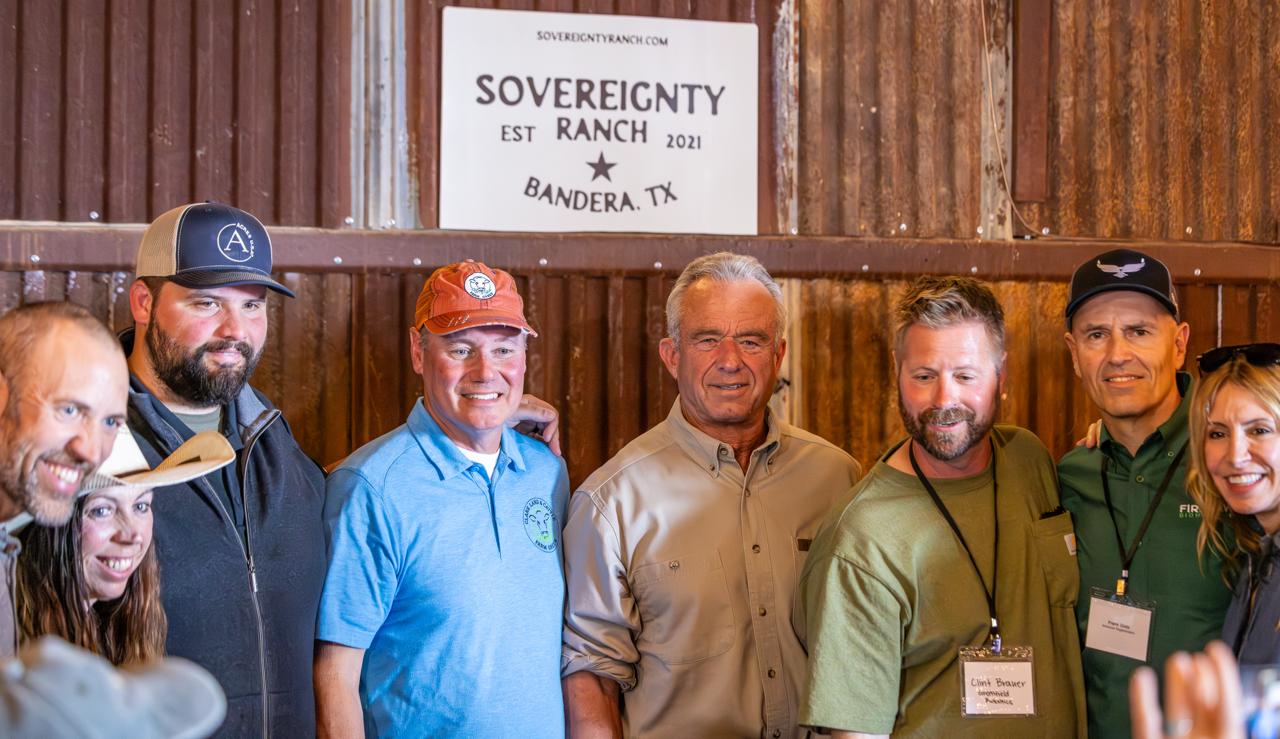
That topic emerged repeatedly during the recent American Regeneration Conference held at Sovereignty Ranch in Bandera, Texas. The two-day event brought together leaders across agriculture, science, policy, and land management to discuss the future of regenerative systems and the practical realities surrounding adoption at scale.
Representing Contact BioSolutions, maker of FireHawk® Bioherbicide, Managing Director Dr. Frank Glatz participated in roundtable discussions centered on regenerative agriculture, operational challenges, and the growing interest in additional weed management tools.
While regenerative agriculture continues to gain support across multiple sectors, weed management remains one of the most persistent operational hurdles for growers transitioning toward lower-input systems. Discussions throughout the conference repeatedly circled back to the same issue: maintaining effective weed control while aligning with broader land stewardship goals.
“The conference wasn’t just about the regenerative future that we want to see, but the practical steps we need to take to get there,” said Dr. Glatz. “Weed control at scale remains a key hurdle to the widespread adoption of regenerative practices, so we found ourselves continually circling back to it throughout the discussions.”
For many growers and land managers, this balancing act is becoming increasingly important. Conventional weed management programs can create operational efficiencies, but there is also growing interest in tools that may integrate into regenerative land management programs focused on long-term planning and diversified approaches to vegetation management.
As a result, interest continues growing around tools that can integrate into broader land management programs and that do not provide residual soil activity when used as directed. Bioherbicides, particularly contact-based solutions, are increasingly being explored as part of integrated weed management strategies across vineyards, specialty agriculture, landscaping, and municipal landcare.
FireHawk Bioherbicide is one example of this shift. Designed as a fast-acting contact herbicide, FireHawk works on contact with sprayed vegetation and is being adopted across a growing range of commercial, professional, and agricultural applications. Earlier this year, FireHawk Super Concentrate achieved EPA registration in 47 states, reflecting continued expansion into new markets and use cases.
The broader regenerative movement also appears to be accelerating globally. Throughout the conference, participants discussed not only agricultural practices, but also larger conversations surrounding food systems, land restoration, and operational sustainability.
“The regenerative movement is gaining momentum globally,” said Dr. Glatz. “As adoption increases, solutions that balance operational performance with evolving land management priorities will continue to play an important role as innovation develops across different markets.”
By bringing together growers, researchers, entrepreneurs, and policymakers, the conference created space for collaborative discussions around the future of regenerative land management and the practical tools needed to support it.
To view a clip from Dr. Frank Glatz’s panel discussion at the American Regeneration Conference, visit: https://vimeo.com/1189902890/a3bbd6664b?share=copy&fl=cl&fe=ci
Learn more about FireHawk Bioherbicide and ongoing innovations in contact weed management at www.firehawkbioherbicide.com.
January 8, 2026
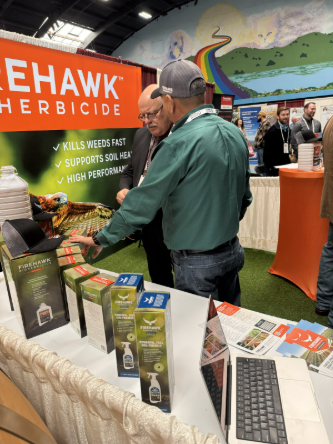
FireHawk® Bioherbicide made its first appearance at the North Coast Wine Industry Expo on December 3 at the Sonoma County Fairgrounds, joining wine industry professionals from across Napa, Sonoma, Mendocino, and Lake counties for a full day of conversation and connection.
As a first-time exhibitor, FireHawk attended the WIN Expo with a simple goal: to listen, learn, and better understand the priorities shaping vineyard and grower decision-making across the North Coast. At the booth, the team showcased FireHawk® Bioherbicide Super Concentrate, engaging growers and vineyard managers in discussions around contact weed control and application considerations.
Hosted by Wine Industry Network, WIN Expo continues to be a key gathering point for the region’s wine community, bringing together growers, vineyard managers, and industry partners through a robust trade show and educational program.
Throughout the day, conversations reflected the practical realities vineyard teams face. Managing vegetation efficiently, working within tight labor windows, and evaluating tools that fit into established programs were recurring themes. While every operation is different, a shared focus emerged around clarity, consistency, and reliable field use.
“Land care professionals expect performance they can rely on,” said Frank Glatz, CEO of Contact BioSolutions. “Consistency matters when you are managing demanding vegetation control jobs.”
For FireHawk, the experience reinforced the value of being present in industry spaces such as WIN Expo, not to lead with claims, but to engage in meaningful dialogue. FireHawk was pleased to participate for the first time and looks forward to continuing these conversations in the seasons ahead.
Additional information about FireHawk® Bioherbicide is available at https://www.firehawkbioherbicide.com, as well as through the WIN Marketplace.
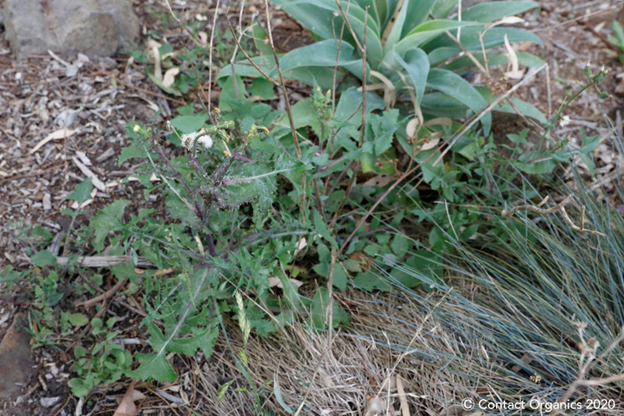
In North Coast vineyards, under-vine vegetation management is a constant consideration. Among the most common challenges growers face are fast-growing broadleaf weeds that compete for water and nutrients and can quickly dominate vine rows if not addressed at the right time.
For vineyard owners and managers, the goal is not just control, but consistency in outcomes. Solutions must work within existing programs, allow crews to stay on schedule, and deliver visible results on existing vegetation without introducing long-term soil activity.
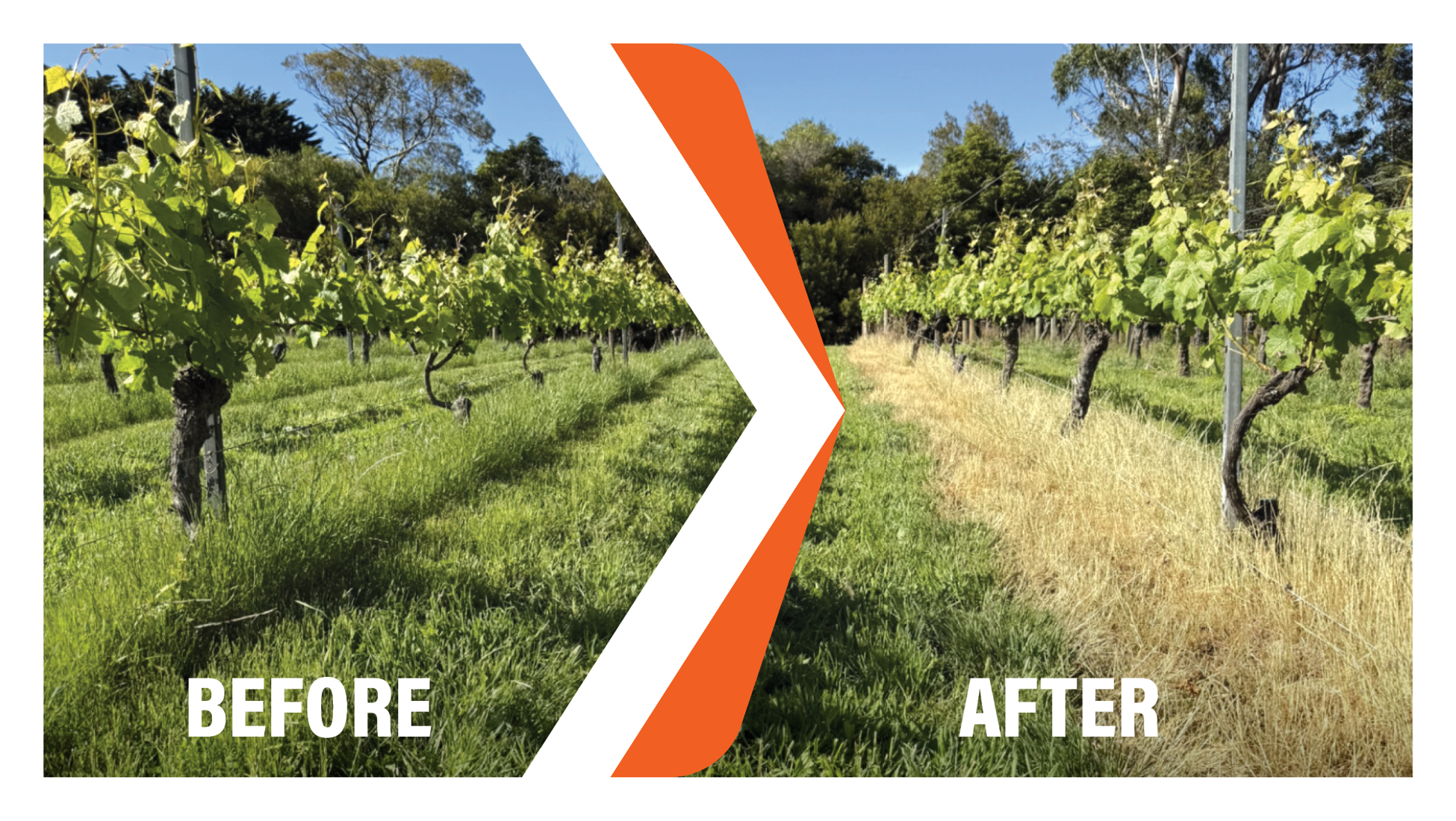
In this representative vineyard scenario, sow thistle was present under the vine during active growth. The weed pressure was typical of what many Sonoma County growers encounter during the season, particularly in blocks where regular under-vine management is required to maintain vine health and accessibility.
FireHawk® Bioherbicide Super Concentrate is a non-selective, contact, foliar-applied herbicide designed to control existing vegetation. It works on contact, damaging only treated green tissue and delivering visible effects within hours. Because it is not translocated and has no residual soil activity, it targets only the vegetation present at the time of application.
For vineyard operations, this contact mode of action supports targeted under-vine applications and clear expectations around observed results. Growers can evaluate results visually and plan subsequent passes based on field observations.
Following application, visible desiccation of the existing weed was observed under the vine. The before-and-after contrast highlights what many vineyard managers prioritize when selecting a weed control tool: clear results, consistent contact activity, and compatibility with standard vineyard operations.
Sow thistle is a familiar challenge across the North Coast, and managing it effectively requires timing and tools that align with real-world conditions. Contact weed control plays a role in that approach by focusing on existing growth and supporting efficient vegetation management during the season.
For vineyard owners navigating ongoing weed pressure, the focus remains on solutions that fit within their programs and function as intended under field conditions. This before-and-after example reflects how contact weed control can be used as part of a broader under-vine management strategy, delivering visible results on existing weeds while supporting operational clarity.
To learn more about FireHawk® Bioherbicide and how contact weed control can be incorporated into vineyard management programs, visit www.firehawkbioherbicide.com or explore FireHawk on the WIN Marketplace.