

Vineyard managers are constantly balancing labor efficiency, operational demands, site conditions, and weed management objectives. As the industry continues to evolve, many vineyards are exploring how bioherbicides can complement their existing weed management programs. Bioherbicides are not new, but interest in these products has grown as vineyard managers look for additional weed management tools to address a variety of operational needs. Understanding where bioherbicides fit within a broader strategy can help professionals make informed decisions for different vineyard applications.
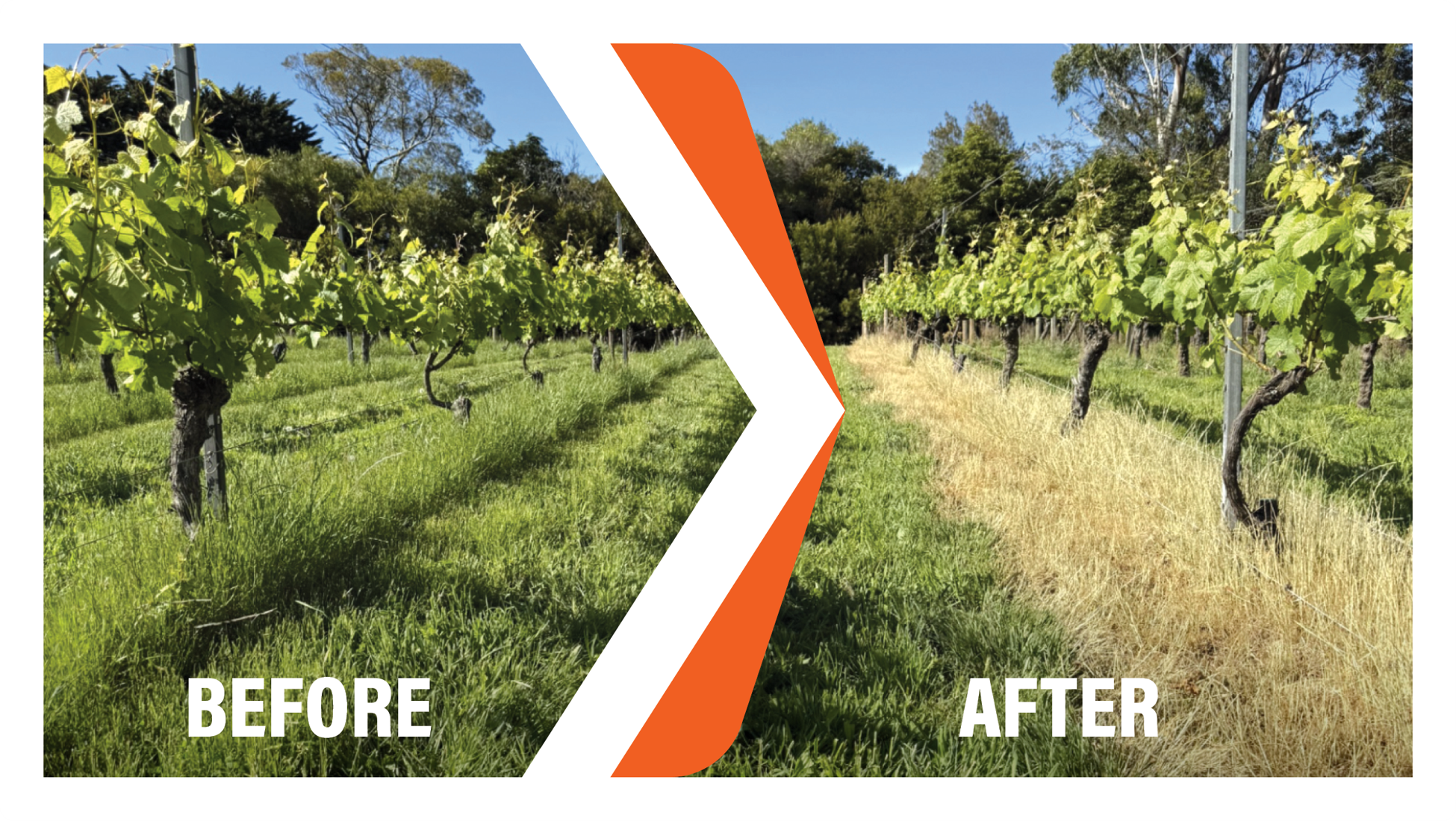 Fast Visual Results
One reason vineyard managers are evaluating certain bioherbicides is their ability to provide visible results quickly under favorable environmental conditions.
Fast visual feedback can be especially valuable in vineyard rows, around trellis systems, fence lines, equipment storage areas, and other highly visible operational spaces. When weeds are actively growing and conditions are favorable, visible effects may appear within hours. This allows vineyard teams to observe treatment effects quickly and assess progress throughout the growing season.
Flexibility Around Vineyard Operations
Timing is critical in vineyard management. From seasonal maintenance and irrigation management to harvest preparation and general vineyard upkeep, managers often need weed control solutions that fit within busy operational schedules.
Certain bioherbicide solutions provide contact weed control without residual herbicidal activity in the soil when used according to the label. This characteristic may offer additional flexibility when planning vineyard maintenance activities and managing areas where ongoing cultivation or planting work is taking place.
Supporting Operational Efficiency
Labor continues to be a significant consideration for vineyard operations. Managers are constantly looking for ways to maximize efficiency while maintaining productive growing environments.
Having multiple weed management tools available allows vineyard teams to select the right solution for specific site conditions and operational goals. Bioherbicides can play a role where fast-acting contact weed control is desired, helping crews maintain vineyard grounds and infrastructure throughout the season.
Meeting Evolving Operational Needs
Every vineyard operates differently. Factors such as location, climate, terrain, production goals, and management practices all influence weed management decisions.
As vineyard managers evaluate available tools, many are looking for solutions that can be incorporated into existing weed management programs while helping address specific operational needs. Understanding a range of weed management options helps professionals make informed decisions based on the unique needs of their vineyards.
Another Tool in the Toolbox
Successful weed management rarely relies on a single approach. Vineyard managers often combine cultural practices, mechanical methods, and product solutions as part of an integrated management strategy.
As interest in alternative weed management technologies continues to grow, bioherbicides are becoming an increasingly common addition to the vineyard management toolbox. Understanding where these products fit within a broader weed management program gives vineyard professionals additional flexibility when planning and maintaining their operations.
As the industry evolves, access to a diverse range of weed management tools can help vineyard managers remain adaptable, responsive, and prepared for the challenges of modern vineyard management.