

Salary benchmarking is essential for accurately compiling competitive compensation structures in highly regulated industries, such as alcohol and beverage. Utilizing compensation benchmarking data can significantly enhance this process. It informs employee compensation, supports pay transparency, and helps organizations attract and retain talent in tight labor markets. For employers operating in healthcare, construction, cannabis, casinos, and other compliance‑heavy environments, salary benchmarking serves as a north star for human resource teams, guiding fair pay practices, ensuring regulatory alignment, and enabling data‑driven decisions.
This blog walks through how salary benchmarking works in regulated environments, what makes it different, and how to build a defensible, repeatable process that holds up under scrutiny.
Salary Benchmarking Defined for Regulated Industry Employers
At its core, salary benchmarking is the process of comparing internal compensation against external market data to determine appropriate compensation for specific roles. It is often used interchangeably with compensation benchmarking, though the two are not always identical.
A market reference point is a single data value (often the median or average salary) for a role in the job market.
A pay range or salary range, by contrast, reflects a structured band (minimum, midpoint, maximum) designed to support hiring, progression, and internal equity.
Total compensation benchmarking further expands the scope, incorporating cash compensation, incentives, and benefits (such as health insurance and retirement options) into a comprehensive salary view.
Shift differentials, overtime, credential premiums, and compliance‑driven incentives (think on-call premiums or hazard pay) all factor into the compensation package. These pay components exist because compensation must reflect not just time worked, but difficulty, risk, scarcity, legality, and business necessity. Therefore, compensation benchmarking is often the more accurate phrase because an employee’s total compensation extends well beyond their base salary.
These inputs then inform critical decisions, including:
New hire offers
Pay range and salary band design
Performance reviews
Promotions and internal movement
Retention adjustments
When done correctly, benchmarking helps employers align with market rates while maintaining internal consistency.
Why Regulated Industries Feel The Pain First
Many roles require specific licenses, credentials, or a higher level of experience, which drives up pay expectations and narrows the pool of qualified candidates. Highly regulated employers tend to feel salary benchmarking challenges more than most industries. Their roles are often specialized, with smaller talent pools and higher turnover, which makes clean comparisons harder to find. When regulations shift or expand, job responsibilities can change quickly, making market data or salary surveys outdated faster than usual, and complicating both hiring and retention. For example, a construction company benchmarking pay for a site supervisor may struggle to find good comparisons. Required certifications and regulatory knowledge limit the talent pool, and when labor or safety laws change, pay expectations can change quickly, making standard benchmarks unreliable. Hiring urgency often collides with compliance scrutiny, creating risk when salary decisions are rushed or poorly documented. When speed takes priority over structure, organizations increase exposure to audits, pay‑equity issues, and costly downstream corrections. In regulated environments, pay decisions must be defensible, consistent, and aligned with both internal equity and external benchmarks, especially since pay practices are highly visible. Complex structures, such as tipped roles, overtime‑heavy positions, or shift premiums, can be misconfigured, leading to inconsistency and unpredictable costs. Without clear, defensible benchmarking data, these decisions are difficult to justify under audit, where regulators expect repeatable methodology, consistent data, and a clear rationale.
Salary Benchmarking vs Pay Equity Analysis
Salary benchmarking answers the question: How do companies pay for this role in the external market?
Pay equity analysis answers a different question: Are employees paid equitably within the organization after accounting for role‑related factors?
Benchmarking can inform equitable compensation, but it cannot replace pay equity analysis. A common risk is using market data as a blanket justification for inequities. Effective salary benchmarking must be paired with an internal compensation review to ensure competitive and fair outcomes.
Why Salary Benchmarking Matters to the C‑Suite
Offers most often break down not on base salary alone, but on differentials such as sign‑on bonuses, total benefits, overtime pay, or specialty premiums. For executive teams, salary benchmarking reduces uncertainty and speeds decision‑making by creating the initial guardrails for these decisions. By grounding compensation strategies in data, leaders can reduce guesswork and shorten approval loops.
It’s also strategic. Clear salary structures help identify whether overpay drift is occurring or whether the organization is intentionally pursuing a market‑leading pay strategy. This supports budget discipline without sabotaging hiring plans. When leaders can see market salary rates, internal salary positioning, and pay range logic together, compensation planning becomes proactive rather than reactive.
Just as importantly, salary benchmarking supports narrative consistency. When executives are asked to justify pay decisions, a recordkeeping mindset (documenting sources, filters, and outcomes) ensures leadership can explain why decisions were made, not just what was decided.
Salary Benchmarking Data Sources You Can Trust
Survey Providers and Established Datasets
Traditional compensation surveys remain a cornerstone of salary benchmarking. A well-designed salary survey provides aggregated data across peer companies, offering insight into average salary, percentiles, and compensation trends. However, surveys are only effective when their scope matches your true talent competitors. Employers should benchmark against organizations that compete for the same labor pool, not necessarily the same product market.
Platform-based Benchmarking Tools and Software
Modern benchmarking tools offer faster access to market data with flexible filters. Keep in mind, it is critical to distinguish between range guidance and decision automation. Tools should support compensation decisions, not replace human judgment or compensation philosophy.
Free Public Compensation Data or Tools
Free data sources can be useful for early scoping and sanity checks. Public survey data and user‑reported salary data may help establish directional ranges, especially for emerging roles. Where free data fails is consistency. Inconsistent leveling, missing compensation components, and stale market data introduce risk. Employers should never rely on a single free salary benchmarking tool as their sole source.
Salary Benchmarking Methodology and Best Practices
1. Start With Compensation Philosophy and Target Percentiles
Every salary benchmarking process should begin with a clear compensation philosophy. Are you targeting the median market rate or positioning closer to the 75th percentile for hard‑to‑hire roles?
TIP Median can be efficient for stable roles with strong pipelines. Higher targets can make sense where scarcity, credentials, or criticality drive competition.
A single target percentile across all roles rarely reflects reality. Different job families often require different targets. Clinical, field, plant, and HQ roles may justify different benchmarks based on labor scarcity, credentials, and risk exposure. This keeps the compensation philosophy truthful and actionable.
2. Build a Job Architecture Before You Benchmark
A job architecture is an organization‑specific framework that defines how roles are structured and related across the company.
TIP Group jobs by families, functions, levels, or profiles
When organizing, keep in mind the title sprawl, often seen as tiered levels to roles that are actually very similar in scope, level, or responsibility. This can look like Manager, Senior Manager, Manager II, or Associate Manager, creating inaccurate, inconsistent, or confusing benchmarks. Having a plan for promotions and truly unique roles, such as hybrids, player‑coach positions, or site leads, ahead of time helps preserve benchmarking accuracy and prevents ad hoc exceptions later.
Keep in mind, you don’t have to benchmark everything at once. Many organizations begin with roles that carry high compliance exposure, high attrition risk, or high revenue impact, then expand coverage as the job architecture and benchmarking process mature.
3. Define The Peer Group You Actually Compete With
Peer groups should reflect the real, external labor market: industry, geography, organization size, growth stage, union presence, credential/experience requirements
TIP A role match checklist keeps your process consistent. It outlines essentials like candidate qualifications, credentials, working conditions, and salary to quickly identify top applicants and filter out those who may not meet the criteria.
In tight labor markets, compensation isn’t as simple as supply and demand. Required certifications, professional licenses, and background checks limit who can legally perform the work, increasing scarcity and often elevating market pay expectations. Union environments introduce negotiated wage floors, step progressions, and defined premiums that influence both external benchmarks and internal pay structures. Safety‑sensitive roles (such as clinical care, heavy equipment operation, security, or surveillance) carry higher accountability and regulatory exposure, which the market often prices through premiums, differentials, or accelerated progression. These factors make role matching more complex and reinforce the need for salary benchmarking that reflects real job requirements, not just titles or generalized market averages.
4. Handling Roles That Don’t Map Cleanly
When roles don’t map cleanly, use a disciplined “like vs like” approach instead of forcing a perfect match.
If your internal role matches at least 75% of a survey’s job description (not just the title), it is considered an acceptable match. If it falls below 50%, look for a better fit or a “roll-up” code.
For roles that bridge two disciplines, find two survey codes and blend their data to create a custom hybrid benchmark.
Instead of mapping by title, map by level (such as entry level vs. senior), and align your internal levels with the survey’s career levels to avoid comparing different scopes of responsibility.
5. Consider Aging, Weighting, and Composites
Since market data is a snapshot of the past, you can manually age data whenever you are using static reports that are greater than 6 months old (typically 3-4% annually in the current market). If you use modern real-time platforms, verify if they already apply lead-lag modeling to project figures to the current date. Once your data is current, create a composite by blending sources, assigning higher weights to surveys that most closely mirror your industry or geography, and applying premiums or discounts (5-10%) if your internal role requirements are significantly more or less complex than the survey standard.
Industry Best Practices and Pitfalls
Healthcare Salary Benchmarking
Don’t ignore or assume credential ladders (professional advancement tiers).
Pitfall: Benchmarking against general medians instead of specific ladder tiers leads to artificial undervaluation and the loss of your most highly-skilled talent.
Temporary crisis rates for travel staff can reach 2x to 3x the standard hourly rate during acute nursing or specialty shortages.
Hard-coding these temporary spikes into permanent base salary scales creates a massive fixed-cost trap that remains long after the labor shortage has eased.
Construction Salary Benchmarking
Base pay is often mandated by “Davis-Bacon” or CBA (Collective Bargaining Agreement) rates, which change based on the specific county or trade.
Pitfall: Treating these as optional perks. If you don’t pay the fringe into an approved plan, it must be paid as taxable cash, drastically inflating the base.
Field staff often receive daily per diems, travel pay, or tool stipends to offset the costs of remote work and equipment.
Pitfall: Mixing reimbursements (non-taxable) with compensation (taxable) during benchmarking can lead to phantom high salaries that don’t actually reflect the take-home pay needed to attract talent.
Cannabis, Hemp, and CBD Salary Benchmarking
This emerging industry lacks standardized job titles, making it difficult to find apples-to-apples comparisons, especially across different state lines.
Pitfall: Matching by title alone without auditing the specific risk and responsibility of the role can result in underpricing high-risk compliance roles.
Roles involving heavy cash-handling or high-security clearance require a higher premium due to the physical and legal risks involved.
Pitfall: Failing to factor in a risk premium for these positions could result in high turnover within critical security positions.
Casinos and Gaming Salary Benchmarking
Dealers and servers often have a low base pay because tips or service charges can encompass 50–70% of their actual income.
Pitfall: Benchmarking only the hourly base rate ignores the tip-out culture that actually drives retention.
Surveillance, security, and gaming floor roles require intensive state gaming licenses and background investigations.
Pitfall: Ignoring the cost and time it takes for licensed personnel to get cleared creates a barrier to entry that you often end up paying extra for to overcome.
Next Steps for Human Resource Teams
A defensible compensation program is built on three things working together: trusted data sources, a consistent methodology, and clear governance. When all three are in place, pay decisions are easier to explain, easier to maintain, and easier to defend.
In the first 90 days, focus on creating a reputable foundation by analyzing data to inform your compensation strategies.
Define job architecture, peer groups, and KPIs
Source data, map roles, and establish initial ranges
By 12 months, success means a mature program with documented processes, refined ranges, and audit‑ready, transparency‑aligned decisions.
TIP Track KPIs such as offer acceptance rates, compa‑ratios, internal salary alignment, pay equity outcomes, and turnover in benchmarked roles. These indicators show whether salary benchmarking helps the organization remain competitive.
As pay transparency laws expand, organizations that invest in effective salary benchmarking today will be best positioned to attract and retain top talent with competitive salaries tomorrow.
Learn more about how Würk turns salary benchmarking into a strategic advantage for businesses.
Key Takeaways
A winery is legally two businesses at once: an agricultural employer and a licensed wine producer, and most HR platforms are only built to handle one.
Job title doesn’t determine treatment. Duties do. The same employee can move between agricultural and non-agricultural work within a single week.
Crush season exposes problems built months earlier, from rushed seasonal hiring to unverified worker classifications.
A structured self-audit beats reconstructing records during a DOL, TTB, or state inquiry. Würk’s tools help wineries stay prepared year-round.
A winery’s obligations touch more regulatory categories than almost any other small business: agricultural labor law, guest-facing wage rules, wine-production rules, multi-state payroll withholding, and immigration regulations, often within a single organizational chart. This guide walks through a practical internal-review framework for wineries and vineyards with 10 to 500 employees. It’s operational guidance, not advice from an attorney or accountant, and it’s built to help HR directors, controllers, and owner-operators find gaps, assign ownership, and prepare for agency scrutiny before peak harvest season makes those gaps expensive.
Why Winery Compliance Never Really Stops
Two Regulatory Systems in One Business
A wine business is simultaneously an agricultural employer and a licensed winery. Vineyard cultivation and crush-season work generally fall under agricultural labor rules, with distinct wage, overtime, and recordkeeping treatment. Cellar operations, bottling, tasting room service, and delivery often don’t. Most off-the-shelf HR platforms are built around only one of these two worlds. Würk offers specialized HR and payroll software for both beverage and agriculture because wineries need both frameworks working in sync, not a generic platform stretched to cover the gap between them.
The Wine Industry Workforce Rarely Fits One Compliance Category
Job title alone cannot determine wage, overtime, payroll, or tax treatment. A vineyard supervisor who spends part of the week in the tasting room, or a cellar worker pulled into bottling during a production surge, can shift between agricultural and non-agricultural classification within the same workweek. Duties, not titles, drive the analysis, which means timekeeping and payroll systems need to capture what someone actually did each day, not just what their job description says.
Harvest Pressure Exposes Problems Created Months Earlier
Crush season is when gaps become visible, but they’re rarely created then. Rushed seasonal hiring, unverified worker classifications, missing state withholding registrations, and timekeeping systems that can’t distinguish duties, locations, rates, or entities all get built in during the quieter months and then surface under pressure.
A range of agencies can examine these records, often overlapping: the DOL Wage and Hour Division, IRS and state revenue or workforce agencies, TTB and state alcohol authorities, OSHA agricultural operations programs or state occupational safety programs, and immigration and work-authorization authorities. Payroll records, personnel files, production systems, and licensing documentation can all become relevant in a single inquiry, which is exactly why they need to be reconcilable with each other, not just individually accurate.
Build a Winery Self-Audit
Map the Legal Employer, Worksite, and Workforce
Before testing individual rules, map the basics: which entity hires, schedules, directs, pays, disciplines, and terminates each worker. Wineries with vineyard, tasting room, event, and transportation work housed in separate legal entities need to confirm that payroll and general-ledger records actually align with the entity doing the employing, not just the entity that happens to run payroll.
Segment Employees by Duties, Not Titles
Score each area of exposure using the same review criteria: likelihood of noncompliance, number of workers affected, duration of the practice, estimated wage and tax exposure, and whether the issue touches vulnerable, migrant, tipped, young, or visa-sponsored workers. Würk’s payroll audit checklist is a useful companion for running this kind of structured exercise.
Focus Area
Questions to Test
Common Warning Signs
Risk Rating
Worker Classification
Who controls the work? Is the role integral to operations?
Recurring 1099 labor working set shifts
Low / Medium / High
Agricultural Status
What duties occur each day and workweek?
Agricultural exemption applied to all winery staff
Low / Medium / High
Wage and Hour
Are all hours, rates, tips, and deductions captured?
Off-the-clock setup, cleanup, or travel time
Low / Medium / High
Seasonal Labor
Are MSPA or H-2A duties triggered?
Labor contractor used without registration review
Low / Medium / High
Payroll Tax
Is each work state registered and reported correctly?
Remote staff taxed only in headquarters state
Low / Medium / High
State Alcohol Rules
Do permits and responsible parties match operations?
Ownership changes not evaluated for filings
Low / Medium / High
Recordkeeping
Can records be produced quickly and reconciled?
Conflicting systems or missing historical records
Low / Medium / High
Use quarterly reviews for high-risk areas and at least an annual review for the full framework.
Agricultural vs. Non-Agricultural Duties, Side by Side
Because this distinction drives everything downstream, from overtime treatment to payroll tax setup, it’s worth laying out plainly:
Role or Duty
Typically Agricultural?
Why It Matters
Vineyard cultivation and pruning
Yes
Falls under primary agricultural work
Harvest and crush-pad labor
Yes
Falls under primary or secondary agriculture
Cellar, fermentation, and blending
Often not
Frequently treated as manufacturing
Bottling and packaging
Often not
Typically non-agricultural processing
Tasting room service
No
Retail and guest-facing wage rules apply
Direct-to-consumer fulfillment
No
Distribution and warehousing rules apply
Wholesale transactions and delivery
No
Non-agricultural, often multi-state
Duties can move an employee between these categories within the same week, which is exactly why job title can’t substitute for actual duty tracking.
Audit Seasonal Worker Classification and Employment Relationships
Are Seasonal Winery Workers Employees or Independent Contractors?
Seasonal status does not automatically create contractor status. The analysis turns on behavioral control (methods, schedules, supervision, training), financial control (investment, opportunity for profit or loss, payment structure), and permanence (contracts, benefits, exclusivity, whether the work is central to winery operations). Tax treatment generally depends on the underlying employment relationship rather than the label a business chooses. Watch for workers performing the same duties as employees while receiving Forms 1099; that mismatch is one of the more common findings in a wage and hour inquiry. See the IRS worker-classification guidance for the full regulatory framework, and note that state tests can be stricter.
Seasonal, temporary, part-time, and agricultural are separate wine labels answering separate questions, not interchangeable descriptions. A worker can be seasonal and still be a common-law employee; agricultural status is about the nature of the work, not the length of the assignment.
Farm Labor Contractors and Joint-Employer Risk
Wineries that source vineyard labor through a farm labor contractor can still carry joint-employer exposure if the winery supervises, directs, schedules, or controls working conditions. Verify the contractor’s registration, review contracts for wage and recordkeeping responsibilities, and obtain actual payroll and time records rather than relying solely on vendor invoices. The MSPA requirements can impose obligations involving disclosures, wages, records, housing, and transportation, and MSPA joint-employment principles can leave an agricultural business responsible for workers supplied by another party.
If the business uses H-2A labor, obligations extend well beyond visa paperwork: approved job-order duties, dates, wage regulations, housing and transportation, and required disclosures and payroll statements all apply, and they need coordination between HR, payroll, and legal assistance rather than sitting solely with one department.
Test Agricultural Labor Law by Duty and Workweek
Which Roles Qualify as Agricultural Employment?
The FLSA agricultural employment rules distinguish primary agriculture (cultivation and harvesting of grape crops) from secondary agriculture (work performed by a farmer or on a farm as an incident to farming operations). Sorting, packing, storage, and processing get fact-specific treatment, and handling grapes or product belonging to other growers can change the analysis. Cellar, bottling, tasting room, and transportation work should not automatically inherit a vineyard’s agricultural classification just because it happens on the same premise.
Are Vineyard Workers Exempt From Overtime?
The FLSA’s agricultural overtime exemption is a starting point, not a universal answer. Employees engaged in agriculture as the FLSA defines it are generally exempt from the Act’s overtime pay requirements, and that exempt status is assessed on a workweek basis, independently each week. Additional regulatory guidance from the DOL agriculture toolkit explains how baseline minimum wage and recordkeeping obligations can still apply, and state agricultural overtime laws are frequently more protective than that exemption. A mixed-duty employee who spends part of the week in the tasting room can lose agricultural exemption for those hours, which makes workweek-by-workweek analysis essential rather than a once-a-year classification decision.
Piece-Rate Pay and Youth Labor Rules
Piece-rate compensation requires effective hourly-rate testing to confirm the pay still meets applicable minimum wage requirements once hours spent waiting, preparing equipment, or moving between fields are counted. Youth employment carries separate standards for agricultural and non-agricultural work, with different minimum-age and hazardous-task restrictions; a minor working the tasting room faces different rules than one working the vineyard, and parental ownership exemptions have real limits worth confirming before assuming they apply.
Verify Wage, Hour, Tip, and Deduction Practices
Review Every Source of Compensable Time
Pre-shift and post-shift setup, required tastings and safety training, travel between vineyards and tasting rooms, and waiting time during production interruptions are all common sources of unpaid time that should be captured, not assumed away.
Calculate Overtime Using the Correct Regular Rate
The regular rate used for overtime calculations should include nondiscretionary bonuses, shift premiums, and seasonal incentives, not just base hourly pay. Employees working multiple rates in one workweek need the calculation applied correctly across all of them, and a salaried employee isn’t automatically overtime-exempt just because they’re salaried.
Assessment Tips and Deductions
Direct tips and mandatory service charges get different legal treatment, and taking a tip credit generally requires advance notice to the employee. Tip pools have eligibility rules, managers and supervisors are often restricted from participating, and tip sharing between guest-facing and back-of-house roles needs careful handling. On the deduction side, uniforms, tools, housing charges, meals, and wine purchases can all become compliance issues if they reduce wages below required levels, particularly in a final paycheck.
Connect Winery Payroll to Tax and Record-Keeping Controls
Confirm Agricultural Payroll-Tax Treatment
Agricultural wages are tested differently than standard payroll for federal withholding and employment tax purposes, and H-2A payroll carries its own distinctions. The IRS Publication 15 (Circular E) sets out specific agricultural wage tests and reporting rules, which makes it risky to process all vineyard and non-vineyard payroll through one undifferentiated tax setup. Forms W-2, 943, 940, 941, and 1099 all deserve review with a qualified tax adviser given how differently agricultural and non-agricultural wages can be treated.
Build a Payroll Record That Can Withstand Scrutiny
A defensible payroll document includes the employing entity and location, job and department codes, agricultural versus non-agricultural duty data, regular and overtime hours, pay rates and tips, deductions, and required filings, retained for the longest period any applicable law requires. Reconciling payroll against production logs, point-of-sale data, and the general ledger matters because inconsistent records across systems can weaken an operator’s position even when each individual system looks reasonable on its own.
Align HR Controls With TTB and State Alcohol Rules
Keep Responsible-Party and Licensing Information Current
Changes in ownership, officers, or premises can trigger notice, amendment, or filing requirements at both the national and state level. Reviewing TTB permit requirements ensures that HR records, organizational charts, and licensing documentation stay aligned, since a personnel change that isn’t reflected in permit filings is a common gap regulators check for.
Connect Workforce Procedures to Production-Specific Risk
Age restrictions for serving or handling beverage alcohol, responsible-service training, and permit tracking all belong in HR’s workflow, not treated as a separate silo. On the excise tax side, taxpaid removals, bottling and transfer records, and employee access to bonded areas all connect back to payroll and scheduling data, which can serve as corroborating evidence during a TTB inspection. The TTB expects qualified wine businesses to maintain records covering production materials, bulk wine, bottling, transfers, and taxpaid removals as outlined in their post-qualification guidance, and TTB audit procedures show that auditors may review accounting, inventory, production, and technology records together.
Operators can also consult the TTB wine FAQs for specific questions regarding operational compliance, bond requirements, and report of wine submissions.
Standardize Multi-State HR for Wine Producers
Determine Where Each Employee Is Actually Working
Headquarters state and physical work state aren’t always the same, especially for traveling sales staff, distributor-support employees, and remote wine-club or marketing teams. Accurate work-location fields in HR and payroll systems, with manager approval required before a worker changes territory, prevent this from becoming a retroactive research project.
Register Payroll and Apply State-Specific Rules
Each work state can bring its own withholding and unemployment accounts, leave requirements, minimum wage and overtime rules, and pay-statement requirements. Würk’s multi-state payroll compliance guide walks through the registration and configuration process in more depth.
Use the worksheet below as a starting template. Fill in a row for every state where the winery has employees, whether that’s the home state, a distribution state, or a state with only a remote sales rep, and update it as registrations and renewal dates change.
State
Employee Population
Tax Registrations
Agricultural Wage Exceptions
Renewal Date
Example: Home state
Example: Distribution state
Example: Remote sales state
A single national handbook rarely works well; the better model is a national baseline with state and local addenda, jurisdiction-specific onboarding, and location-aware payroll calculations rather than ad hoc updates when a problem surfaces.
Navigating Direct-to-Consumer Shipping and Regional Rules
For wineries shipping directly to consumers, direct-to-consumer regulations impose unique state-level reporting, tax, and license limitations. Direct-to-consumer shipping compliance requires managing age verification, shipping volume limits, and local excise obligations across state lines. Organizations such as the Wine Institute offer advocacy and resources to help navigate this complex regulatory compliance landscape. Understanding every legal restriction on direct sales ensures that marketing and shipping workflows remain fully compliant.
Where Würk Fits Into Winery Compliance
Software supports disciplined processes; it doesn’t replace legal judgment. Würk’s compliance and risk management solutions centralize employee records across vineyards, tasting rooms, production sites, and distributed teams, with role, location, department, and labor-category data configured for more precise review. Exceptions surface before payroll closes rather than after, which reduces manual handoffs between HR, finance, operations, and outside advisers and helps a winery stay inspection-ready year-round instead of reconstructing records after an inquiry starts.
For operators without a dedicated HR team to run this level of review internally, Würk’s managed HR services can carry more of that weight directly. Explore winery compliance services and solutions if any part of this self-audit surfaced more manual reconciliation than you’d like.
Turn Self-Audit Findings Into Corrective Action
Prioritize Findings Without Creating New Risk
Stop ongoing underpayments or unlawful practices promptly, preserve relevant records and system logs, and avoid retroactively altering source records even when the correction seems obvious. Calculate the affected workforce and lookback period, and determine whether privileged review with an attorney makes sense before proceeding. Document the rationale, owner, deadline, and verification step for each correction. Würk’s HR compliance audit playbook offers a broader framework for structuring this kind of remediation.
Ongoing monitoring doesn’t need to be complicated: quarterly review for high-risk areas identified in the scorecard, and at least one full annual pass, with additional checks triggered by acquisitions, new tasting rooms, new fulfillment states, or payroll-system changes.
Make Winery Compliance Part of Every Vintage
Winery compliance works best as a continuous operating system: classify workers and duties before configuring payroll, test federal rules against state-specific laws and regulations, and keep agricultural, hospitality, production, tax, and license controls connected to each other rather than managed in isolation. Wineries that maintain records continuously see more predictable labor costs, fewer payroll corrections and tax notices, and faster expansion into new locations, along with less back-wage and licensing exposure when questions do come up.
The next step is straightforward: complete the self-review scorecard, rank the highest-risk findings, assign owners and correction dates, and validate any unresolved questions with qualified advisers.
Whether you are an established vintner or a new startup navigating the application process for a bond or approval, building a solid partnership for winemaking operations is key. As your compliance partner, Würk manages payroll, HR, scheduling, seasonal teams, and licensing for beverage producers in one unified platform built for regulated industries.
Ready to simplify winery compliance with Würk?
Industry leaders join forces to support winery operators with the people, processes, and technology needed to attract, retain, and empower hospitality talent
Denver , Aug. 4, 2026 - Würk, the leading human capital management (HCM) company serving the cannabis and beverage alcohol industries, announced today a strategic partnership with OrderPort, the wine industry's leading Enterprise Resource Planning (ERP) and point-of-sale platform. Through the partnership, the two organizations will collaborate to help wineries strengthen workforce operations, improve employee retention, and create exceptional guest experiences.
In today's competitive winery landscape, operators face increasing pressure to recruit and retain quality talent while delivering memorable tasting room experiences that drive customer loyalty. Würk and OrderPort share a common belief that successful hospitality businesses are built on strong people, efficient processes, and technology that removes administrative burdens from frontline teams.
"At Würk, we understand that great guest experiences start with great employees," said Deborah Saneman, Chief Executive Officer of Würk. "Winery operators are navigating many of the same workforce challenges we see across hospitality-driven industries, including hiring, retention, onboarding, and employee engagement. We're excited to partner with OrderPort to help wineries build stronger teams, streamline operations, and create workplaces where employees can thrive."
OrderPort provides wineries with a comprehensive platform for managing tasting room operations, wine clubs, ecommerce, fulfillment, and back-office processes. At the same time, Würk delivers payroll, human resources, benefits administration, timekeeping, scheduling, and compliance solutions designed for complex workforce environments. Together, the companies provide winery operators with the technology, expertise, and support needed to streamline operations, strengthen workforce management, attract and retain talent, and ultimately deliver exceptional guest experiences.
"The winery industry is ultimately a people business," said Lailand Oberschulte, Vice President of Marketing at OrderPort. "The most successful wineries understand that exceptional customer experiences begin with well-trained, supported employees. Our partnership with Würk reflects a shared commitment to helping winery operators build strong teams and eliminate operational challenges so staff can focus on creating memorable guest experiences and building loyalty."
Industry trends continue to highlight the growing importance of workforce management within wineries. From onboarding seasonal and part-time staff to creating career pathways that improve retention, successful operators are investing in both their people and the systems that support them. By combining insights and expertise from both organizations, Würk and OrderPort aim to provide winery leaders with resources and best practices to manage their workforce better while enhancing the customer experience.
Würk continues to expand its network of strategic partnerships with organizations that serve highly regulated and hospitality-focused industries. Through these collaborations, the company helps employers access the tools, services, and expertise needed to navigate workforce challenges and support sustainable growth.
For more information about this partnership, please visit: www.enjoywurk.com
About Würk
Würk is a leading human capital management company providing payroll, human resources, timekeeping, scheduling, benefits administration, and compliance solutions for highly regulated industries. By combining industry expertise with purpose-built technology, Würk helps employers streamline workforce management, reduce administrative complexity, and support their employees throughout the entire employment lifecycle. For more information, visit www.enjoywurk.com .
About OrderPort
OrderPort is a leading winery ERP and point-of-sale platform that helps wineries manage tasting rooms, wine clubs, ecommerce, fulfillment, and operational workflows. Trusted by wineries across North America, OrderPort provides the technology, training, and support needed to create exceptional guest experiences while driving operational efficiency. For more information, visit www.orderport.net .

Running a winery is a balancing act that never really stops. You’re managing seasonal demand, tasting room traffic, wine club fulfillment, compliance requirements, and a workforce that spans everything from harvest crews to hospitality staff. And you’re doing it with thinner margins than most people assume.
The operational friction that eats into those margins usually lives in the same places: staff hunting for schedules, managers stuck at a desktop approving shift swaps, and new hires learning your systems on the fly.
The good news is that none of these require a major technology overhaul to address. This checklist identifies seven practical moves that can make a real difference in how your team operates, starting this week.
Streamline People & Culture
1. Standardize your onboarding process.
Every new hire should receive the same friction-free introduction to your operation. Instead of scrambling on their first day, ensure that system logins, tasting room protocols, and compliance baselines are documented in one central, easily accessible location. Research from Brandon Hall Group shows that companies with structured onboarding programs see an 82% improvement in new hire retention and a 70% boost in productivity.
2. Give every employee self-service access to pay and schedules.
Manual, back-and-forth communication over schedule changes is a massive time sink for managers and a constant frustration for staff. Double-check that every team member can view their shifts, request swaps, and access digital pay stubs directly from their phones. Today, mobile access is a baseline expectation for the modern workforce.
3. Ask your floor staff one pointed question.
This move costs absolutely nothing but a few minutes of your time. Ask your tasting room or floor staff: “What is the single operational task that slows you down the most during peak hours?” Front-line employees see bottlenecks that management might miss from the back office. Their answers will tell you exactly where to focus your next improvement.
Optimize Systems & Operations
4. Count how many systems your team logs into daily.
Pull up or create a quick list of all the platforms you currently use (e.g., POS, scheduling, HR, inventory) and count them. For every system that doesn’t talk to the others, someone on your team is likely entering the same data twice. Research from EY highlights just how fast this adds up: a single manual data entry or duplication costs an average of $4.86 in direct administrative labor, and that is before accounting for the cost of fixing the inevitable errors. That manual duplication is where those costs creep in and valuable hours get wasted. Simply knowing your number is the first step toward reducing it.
5. Pick one manual process and map a path to automate it.
The goal here isn’t automation for its own sake. It’s finding the repetitive task your team performs daily that offers the clearest return if it’s removed from their plate. You can start with one repetitive daily task, like end-of-day tip calculations, and identify a realistic way to automate it. Small wins here build momentum and free up your team for higher-value work.
6. Audit your digital guest touchpoints.
Walk through the entire customer journey yourself: a guest books a reservation online, arrives at the winery, and checks out after purchasing a case. How many times does a staff member have to re-enter their information along the way? Look for unnecessary fields, confusing steps, or anything that slows down a sale. Each data handoff gap doesn’t just slow your team down; it degrades the quality of your guest records and hurts your ability to personalize their experience down the road. If your systems are disconnected, staff will inevitably typo an email address or create duplicate profiles just to bypass a slow screen. According to data from McKinsey & Company, top-performing loyalty programs can boost annual customer revenue by 15% to 25%. However, that engine entirely relies on data integrity. If you can’t accurately track a guest’s historical purchase data, your automated birthday rewards, personalized release offers, and allocation reminders won’t hit their inbox. Cleaning up your digital touchpoints protects the quest experience on the floor today, while building the pristine database you need to drive predictable, recurring revenue tomorrow.
7. Test whether your supervisors can manage operations from a mobile device.
Can your floor manager approve a shift swap, update a floor map, or handle a scheduling conflict without walking back to the office? If the answer is no, your team is losing critical hours to unnecessary trips between the floor and a desktop. Mobile-capable administrative tools keep supervisors right where they need to be: on the floor, supporting your staff and engaging with guests.
From Checklist to Culture
None of these improvements require a massive budget or a lengthy rollout. They simply require a clear-eyed look at where your operation loses time, and the willingness to fix one small thing at a time.
The wineries that deliver the most memorable guest experiences aren’t necessarily the ones with the most expensive wine. They’re the ones where the team isn’t distracted by the very systems supposed to support them. Get the operations right, and exceptional hospitality naturally follows. Watch the webinar to learn where wineries are uncovering inefficiencies and the practical steps they’re taking to streamline operations and elevate the guest experience.
Ready to see how Würk can support your crew?
https://enjoywurk.com/lets-talk/
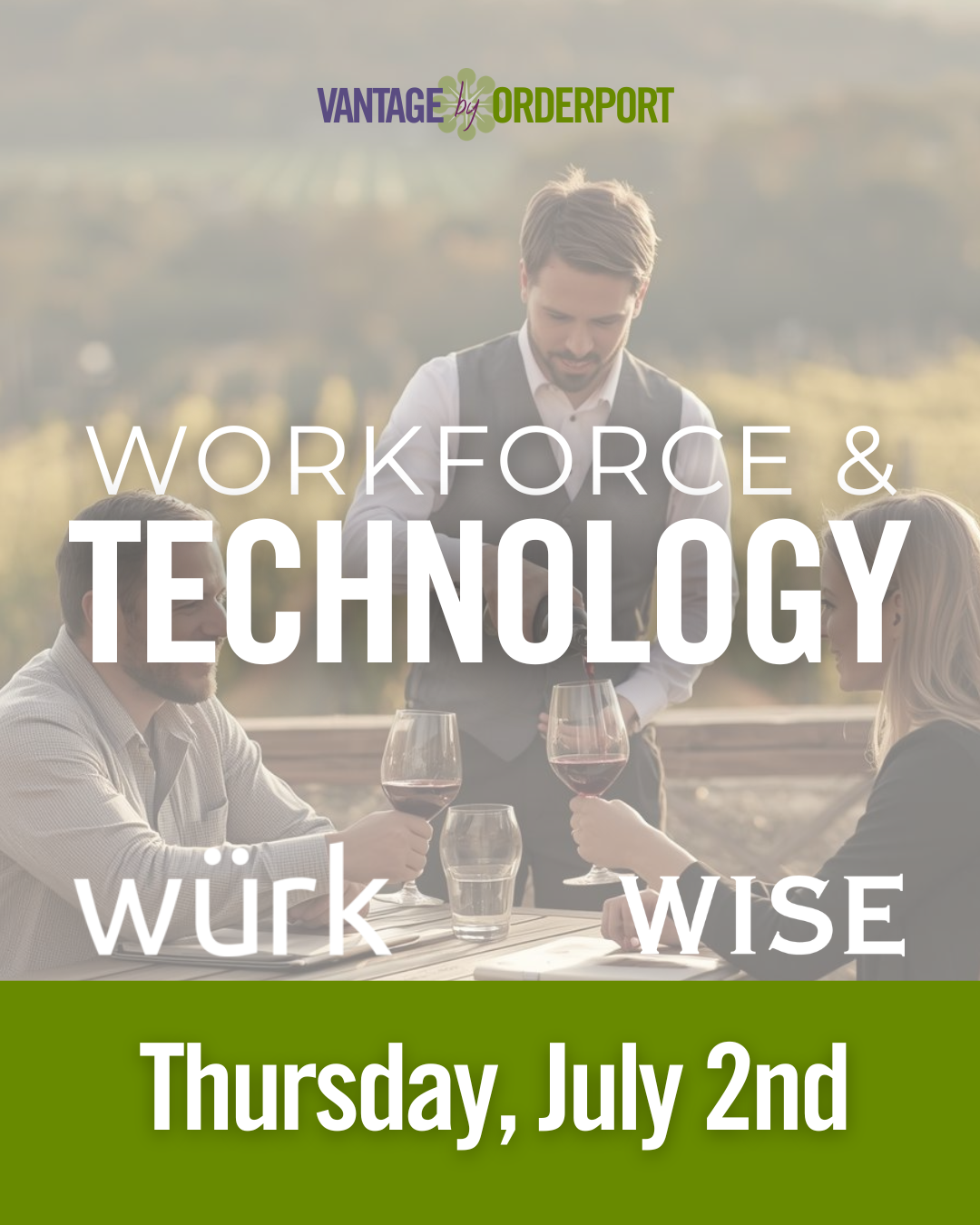
Event Type: Webinar
Location: Bellevue, WA
Date: 7/2/2026 — 10:00 AM to 11:00 AM
With rising labor pressures and evolving guest expectations, wineries are being challenged to do more with less — without losing the personal touch that defines hospitality.
This summit explores how smart technology, operational alignment, and empowered teams can work together to create memorable customer experiences while improving efficiency and staff retention.
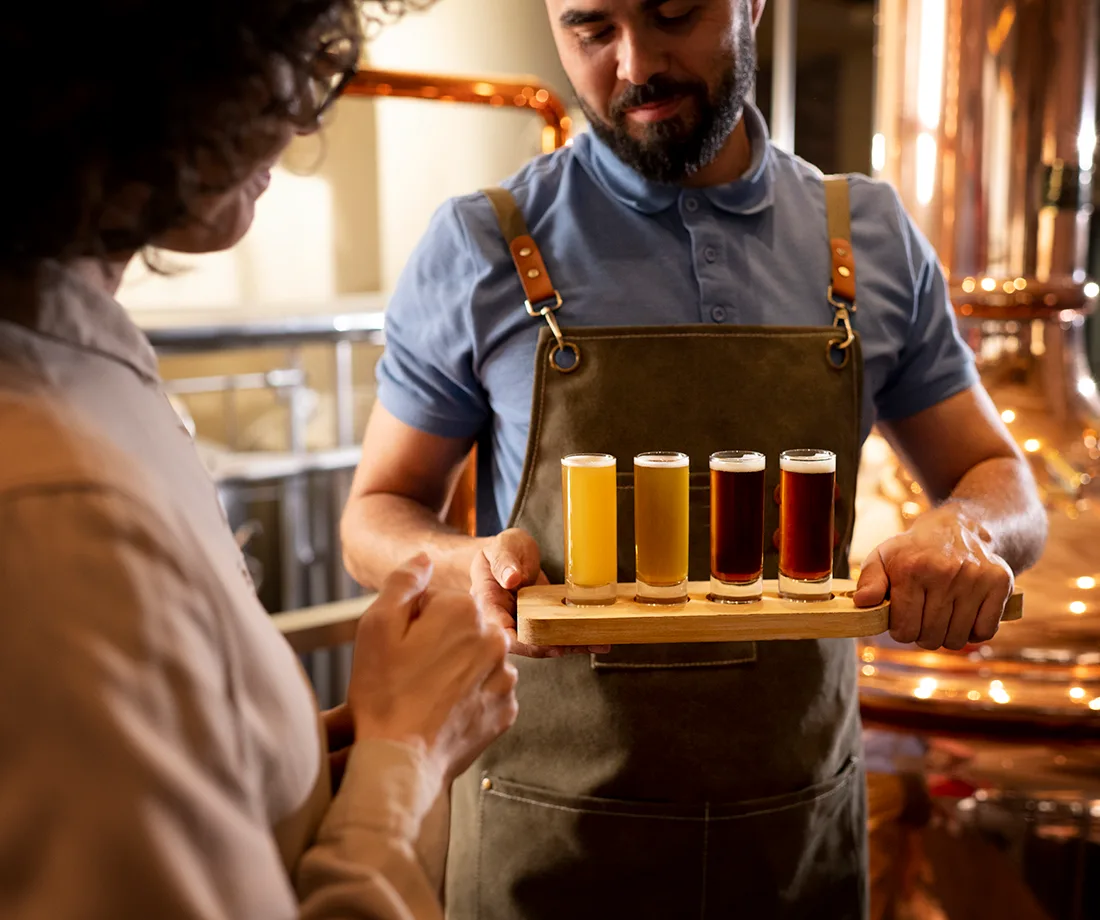
Manage tipped staff, seasonal workers, and strict compliance in one HR platform built for the beverage industry.
Tap into efficiency with our easy-to-use human capital management software. Brewed with your business in mind, streamline employee scheduling and payroll, reduce labor costs, and stay inspection-ready year-round with a true all-in-one platform.
HCM Software Built for Highly Regulated Industries
Running a brewery means balancing production, quality, and a workforce that runs around the clock. The right solution simplifies your operations, not adds to the complexity. Würk helps you easily find, onboard, and retain employees, centralize records and certifications, and keep labor costs optimal, in one seamless experience
Würk smarter, brew better.
Key Features and Benefits:
Save Time
Automate hiring, onboarding, and scheduling processes even during peak seasons
Empower employees with a self-service mobile app to access pay stubs, timesheets, swap shifts, and more
Eliminate manual data entry and paperwork
Stay Compliant
Automate time tracking and scheduling to ensure you meet federal and state labor law requirements
Securely store food, safety, certifications, and employee trainings in one central hub
Get notifications and alerts for expiring licenses
Optimize Payroll
Manage HR and payroll across multiple locations with ease
Ensure accurate tip reporting and wage calculations
Forecast and predict overtime costs to stay on budget
From tip reporting to TTB compliance, Würk helps bars, wineries, breweries, and beverage manufacturers stay compliant, efficient, and focused on growth.
Schedule a free demo today to see how Würk’s payroll software can save time, ensure compliance, and simplify payroll processing for your business.
https://enjoywurk.com/lets-talk

Running a winery tasting room is one of the most deceptively complex jobs in hospitality. On the surface, it looks like pouring wine and telling stories. In practice, it's managing a rotating cast of part-time staff, navigating generational shifts in how guests want to engage, and delivering a flawless experience every time, to every visitor, while keeping the business humming behind the scenes.
It's a challenge that sits squarely at the intersection of people, process, and technology. And it's exactly the kind of challenge that Würk and OrderPort were built to help solve.
Würk’s payroll and HR platform is purpose-built for compliance-heavy, people-first industries, helping operators pay and manage their workforce without drowning in administrative complexity. OrderPort is the wine industry's leading ERP and point-of-sale solution, designed to make running a winery's operations, wine club, and tasting room as seamless as possible. is the wine industry's leading ERP and point-of-sale solution, designed to make running a winery's operations, wine club, and tasting room as seamless as possible.
Together, the two companies share a belief that when the back-office runs smoothly, the front-of-house can shine.
We recently sat down with Lailand Oberschulte of OrderPort to talk about wine industry trends and what it really takes to build and retain a great tasting room team, from the art of finding people with natural hospitality instinct to the science of onboarding them quickly and keeping them engaged. Lailand brings a frontline perspective on how wineries are navigating hiring pressures, generational change, and the growing expectation that a visit to a tasting room isn't just a transaction. It's a memory.
Here's what she had to say.
Training and Talent: It Starts With the Right People
When asked about the biggest staffing challenges wineries face, Lailand was direct: it's not a shortage of good people. It's a shortage of good training.
"This is a really niche market, and there can be a lot of turnover because it's such a hospitality-centered job. It's like being a bartender on steroids. You have to know all about wine, but also the stories of the winery and the family behind it."
Tasting room staff need to recall detailed wine knowledge, represent the brand's story, and connect genuinely with guests, often all at once. That combination is harder to develop than it might seem. Someone who excelled as a restaurant hostess, for example, may struggle in a tasting room setting where the guest interaction doesn't end after seating.
"You can teach people about wine," Lailand said, "but you can't teach them how to be a people person."
Wine Industry Trends: The Generational Shift
The guest experience doesn't just vary by wine knowledge. It varies by generation, and wineries that understand this distinction are pulling ahead.
Lailand pointed to Gen Z connectivity as one of the most pressing questions facing the industry today: how do you get the next generation excited about wine when the traditional approach to wine culture feels inaccessible or off-putting?
"Pretentious and snobby approaches doesn't work. We need to treat them with respect and make the experience fun so they feel seen and acknowledged. They don't want technical tasting notes, it feels too complicated."
There's also something unique about wine compared to other hospitality verticals. Guests care deeply about provenance in a way they simply don't in other settings. As Lailand put it, you don't think twice about where your hotel mattress was manufactured, but people care a great deal about where their wine came from. That origin story is a feature, not a footnote, and tasting room staff need to tell it well across a wide range of audiences.
The Experience Is the Product
Perhaps the most striking insight from the conversation was how clearly Lailand articulated the relationship between experience and product in the wine business.
"If the experience is 10/10 but the wine is 7/10, people will come back. If the wine is 10/10 but the experience is 5/10, they won't come back. A memorable tasting experience doesn't just generate a bottle sale. It increases the likelihood of club enrollment, return visits, referrals, and long-term customer loyalty."
Guests aren't just evaluating what's in the glass. They're evaluating how the visit made them feel. That reframes the entire conversation around tasting room hiring and training. The staff aren't just order-takers or product educators. They are, in many ways, the product itself.
Hiring and Retention: Reputation Is Everything
The competition for strong tasting room talent has intensified significantly. Job boards for these roles are extensive, and wineries are increasingly aware that how they treat their people has a direct impact on their ability to hire.
"Wineries develop reputations for how they treat people. There is an old guard that treats staff well, and people fight to get into those wineries."
The most forward-thinking operators aren't waiting for talent to come to them. They're building environments worth working in, offering healthcare and 401(k) plans even to part-time workers, and creating real career pathways. Many of the industry's best cellar managers started as barbacks. That kind of trajectory doesn't happen by accident. It happens when operators invest in people for the long term.
How OrderPort Supports Wineries at Every Stage
All of this context shapes the way OrderPort approaches its role in the winery ecosystem. The goal, as Lailand described it, isn't just to provide software. It's to make sure that software never becomes a bottleneck in the training and onboarding process.
"Our goal at OrderPort is to make our system intuitive and easy to use so that, as wineries build these roles, training doesn't consume all of their time. We aim to make it easy to train and acclimate staff so they can focus on doing their jobs."
That commitment shows up in several ways. OrderPort provides in-system training and onboards every new winery into the platform directly. For those who want a more hands-on start, the team offers to send a representative on-site to walk through everything in person and even run the winery's first wine club alongside them.
Beyond implementation, OrderPort offers ongoing support through:
OrderPort University, a documentation hub where staff can access resources on their own schedule
Monthly Master Classes, deep-dive system reviews led by a Customer Success Manager
Live customer support, seven days a week, so issues get resolved in real time rather than piling up
The philosophy is simple: the less time your team spends figuring out the software, the more time they spend taking care of guests.
What Lailand makes clear is that the tasting room is the heart of a winery's brand, and the people staffing it are what make or break the experience. A great visit can sell more wine than a great vintage. That's not a small insight, it's a strategic imperative.
Building that kind of team requires more than good intentions. It takes competitive compensation, thoughtful benefits, and systems that get people up to speed quickly so your staff can focus on connecting with guests rather than wrestling with software.
That's the philosophy behind both OrderPort and Würk. OrderPort gives tasting room teams the tools, training, and ongoing support they need to operate confidently from day one. Würk gives winery operators the HR and payroll infrastructure to hire compliantly, offer benefits that actually attract talent, and manage a workforce that often spans full-time, part-time, and seasonal roles simultaneously.
In an industry where reputation travels fast, where staff talk, guests share, and the best wineries have people lining up for jobs, getting the people side of your business right isn't optional. It's the competitive edge.
Ready to see how Würk can support your tasting room team?
Learn more about Würk's payroll and HR solutions for wineries and other alcohol and beverage companies.
Let's Talk
Your business must operate compliantly. Shouldn't your HR and payroll too?
Meet Würk. The intuitive, all-in-one workforce management platform built with compliance in mind.
For 10 years, Würk has empowered businesses with fast & accurate payroll, timekeeping, scheduling, recruiting & onboarding, benefits & retirement, and MUCH more. Get unparalleled service & client support - from hire to retire.
Payroll & HR-simplified. Schedule a demo!
https://enjoywurk.com/lets-talk/