
Forty percent of wine club members cancel within their first year. But the top-performing wineries are pushing retention from an industry average of 60% all the way up to 85%.
The difference isn't wine quality. It's systems, psychology, and how members feel between shipments.
That was the central premise of one of the most tactical sessions at the 2026 Wine Sales Symposium, where Rammy Jaboron (Chief of Staff, Drinks) sat down with Meg Barkley (VP of Marketing & Membership, Clif Family Winery) and Maeve (General Manager, Coursey Graves Winery) to unpack what's actually working in wine clubs right now—and what isn't.
The Real Problem: Transactional Relationships
Jaboron framed the challenge sharply. Most wine clubs fail, he argued, because every touchpoint has become transactional. Shipment reminders. Payment receipts. "Last 48 hours to customize." Members aren't getting anything meaningfully different from what they get from Amazon or Netflix—and that's not what they signed up for.
The panelists represented two very different operations: Clif Family's 10,000-case, subscription-based flexible membership model, and Coursey Graves' 3,500-case traditional three-shipment-a-year club. But their diagnosis of the industry's retention problem was strikingly similar.
Two Models, One Underlying Philosophy
Barkley walked through Clif Family's transition from a traditional allocation model to a fully subscription-based "flexible membership"—and shared what surprised her most about how members responded (including a candid admission about which demographic she expected to lose).
Maeve made the case for staying traditional, and detailed the data signals she watches to decide whether her club is ready to evolve. Her one-word answer for what's keeping Coursey Graves' club healthy right now? Consistency.
Where the Retention Battle Is Actually Won
The panelists dug into the specific mechanics that separate high-retention wineries from the rest:
Why the first 90 days determine everything
The onboarding sequences that are working across generations
What "meaningful engagement between shipments" actually looks like in practice
How much flexibility to give members over their own club
The metrics that matter most (and the churn warning signs to watch for)
They also shared candid tactical details—call times, texting strategies, handwritten note practices, surprise-and-delight programs, and skip-mitigation flows—that attendees were furiously taking notes on.
Watch the Full Session
The full session includes each panelist's specific playbooks, the data behind their decisions, live examples from their programs, and an audience Q&A that got into scheduling, staffing, and the subscription-versus-traditional decision in real depth.
🎥 Access this session, along with all 14 recorded Wine Sales Symposium presentations NOW!
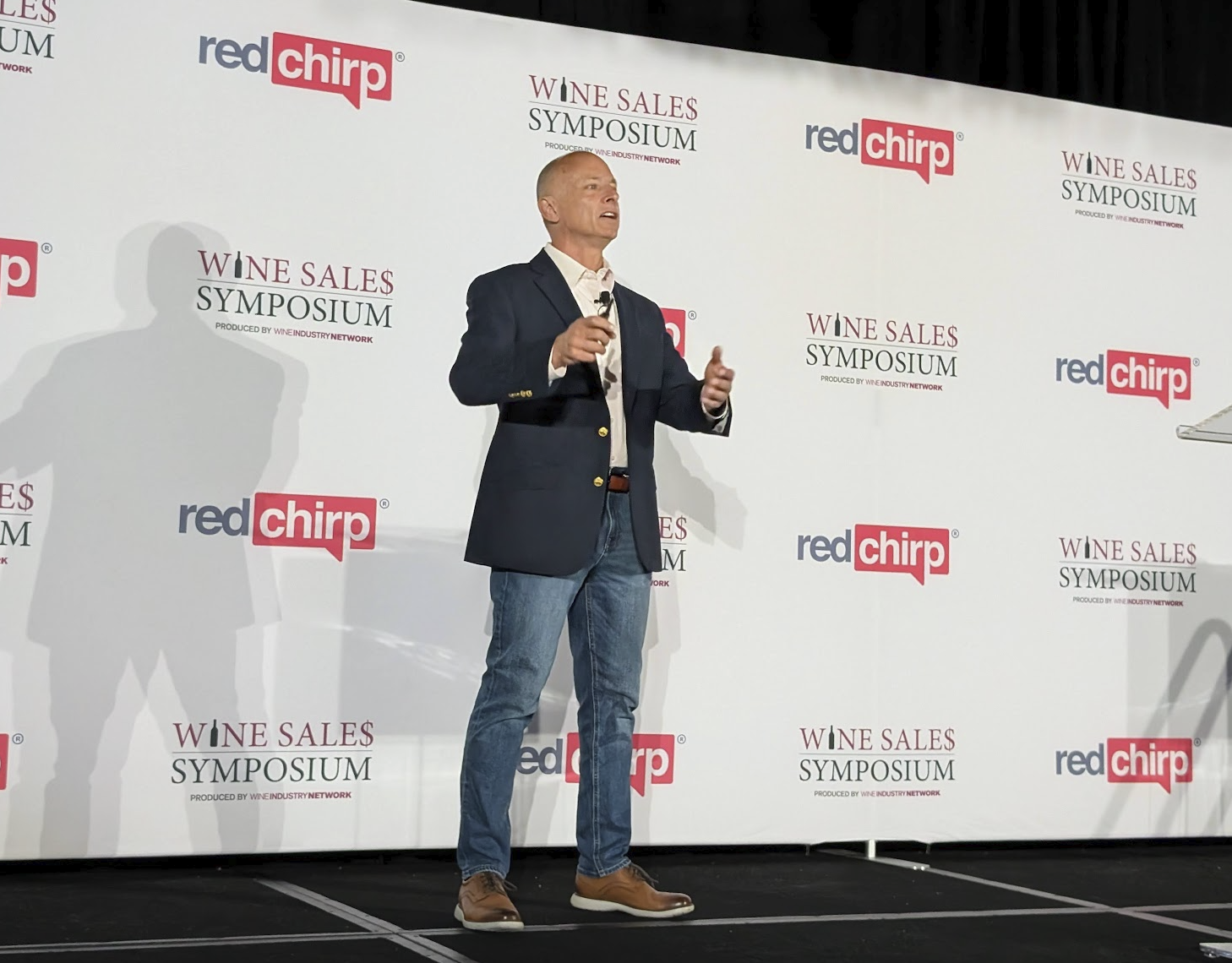
If you came to the 2026 Wine Sales Symposium hoping for an economist to deliver good news about wine consumption, Chris Bitter wasn't your guy.
Bitter, a wine economist with Terrain - the economic and market research arm of American AgCredit - opened his session with a prediction attendees didn't want to hear: wine consumption is going to continue declining for the foreseeable future.
But he also delivered a more hopeful message. The premium and luxury segments are holding up considerably better than the broader market, and wineries willing to adapt to a changing consumer still have real opportunities to win.
A Smaller Share of a Smaller Pie
Bitter walked attendees through the two challenges defining the current moment. First, fewer Americans are drinking, and those who do drink are drinking less. Second, wine is losing share to other categories within alcohol itself. The result, in his words, is "a smaller share of a smaller pie."
The decline isn't temporary. After decades of growth, wine sales have been falling steadily since the post-pandemic peak across every major channel: off-premise, on-premise, DTC, and especially exports.
Where the Bright Spots Are
Not all corners of the market are dim. Bitter highlighted several segments performing notably better than the overall trend, including premium price tiers, certain varietals and styles, smaller package formats, and two categories posting double-digit growth that surprised much of the room.
He also took attendees through what's happening inside the DTC channel - where visitation, club membership, and acquisition rates are all under pressure, but one specific sub-channel is quietly growing nearly 20%.
Economic Headwinds Meet Structural Ones
Part of the slump, Bitter explained, is cyclical, tied to inflation, uncertainty, and consumer sentiment that recently touched its lowest level on record. But part of it is structural: demographic shifts, health and wellness movements, GLP-1 drugs, new competing categories, and a generation spending less time socializing in person.
Some of these factors, he noted, are accelerating rather than fading.
What Wineries Can Do About It
Bitter closed with three strategic imperatives and several specific opportunity areas that wineries should focus on right now, covering competitive positioning, value, labeling, the tasting room experience, and an underused approach to acquiring new customers when foot traffic is down.
Watch the Full Session
Bitter's complete analysis includes the specific data, segments, and DTC strategies he sees as most actionable for wineries today.
The 2026 Wine Sales Symposium brought a roomful of winery sales and marketing leaders together to work through the industry’s hardest questions — softening wine club growth, a shifting distribution landscape, AI arriving in every corner of marketing, and tasting rooms competing for a new generation of drinkers. Fourteen sessions, more than thirty speakers, and a full program of practical, road-tested answers.
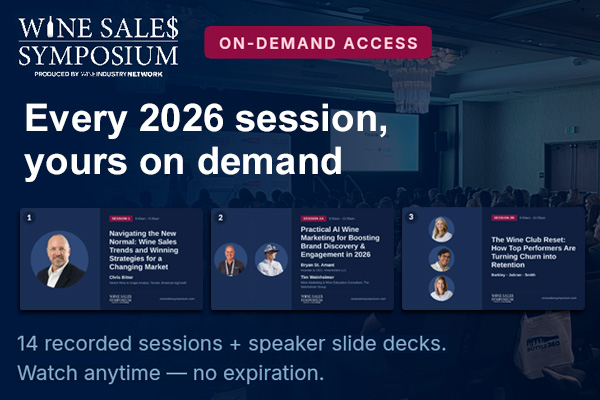
If you couldn’t be in the room, you no longer have to miss it. On-demand Virtual Access is now available — every recorded session from the 2026 program, yours to watch whenever and wherever works for you.
All 14 Sessions. 30+ Experts. One Link.
Virtual Access unlocks the complete 2026 program — every session recorded start to finish, plus the speakers’ slide decks to download and keep. Here is everything included:
Navigating the New Normal — Wine sales trends and winning strategies for a changing market, with Chris Bitter, Ph.D.
Practical AI Wine Marketing — Boosting brand discovery and engagement in 2026, with Bryan St. Amant and Tim Weinheimer.
The Wine Club Reset — How top performers are turning churn into retention, with Meg Barkley, Rami Jubran, and Maeve Smith.
The Future of Winery Messaging — Innovation and strategy with RedChirp, featuring Jennie Gilbert, Paul Leary, and Jennifer Warrington.
AI in the Real Winery — Marketing to cart to loyalty, with Robert Noakes, Nadia Kinkade, Tony McClung, and Alison Michnevich.
Reimagining the Tasting Room — How experience, identity, and access are redefining visitation in wine, with Susan DeMatei.
Loyalty Delivered — Turning shipments into lasting relationships, with Steve Silverman.
Building Brands Through Strategic Partnerships — How wineries are building success through partnerships, with Michelle Erland, Sandra DeMaria, and Lauren Wong.
Creating Hospitality Concepts — Concepts that attract the next generation of drinkers, with Candace MacDonald and Leith Steel.
Corporate Gifting — From conception to fulfillment, with Allison Legg and Jessica Silvius Smith.
Fostering Resilience — How producers are innovating through the downturn, with George Christie, Hilary Berkey, Laura Gabriel, and Judd Wallenbrock.
The New Distribution Reality — Reckoning with the future of wholesale, with Damien Wilson, Chris Baker, Brent Bolding, and Cheryl Durzy.
Email Marketing Hacks — Beyond the basics, with Angie Beasley and Bodie Paden.
From Insight to Action — How to decide what matters first, with Damien Wilson.
Browse the full lineup and session details on the 2026 program page.
Watch on Your Schedule. Keep It as Long as You Like.
Virtual Access was built to fit the way you actually work:
Your own personalized library. One private link opens an access page with your name on it and every session laid out in a simple, organized video library.
Any device, anywhere. Watch at your desk, in the tasting room, or on the road — the access page works on desktop, tablet, and phone.
No expiration. Come back as often as you like. Rewatch a session before a team meeting, share a takeaway with a colleague, or revisit the numbers whenever you need them.
Slide decks included. Download the speakers’ presentations and put the frameworks to work right away.
Lost your link? Get it back in seconds. A self-service tool on the access page re-sends your personal link to your inbox anytime.
How to Get Access
Visit the Virtual Access page and check out securely — it takes about a minute.
Your personal access link arrives by email right after payment.
Post-production on the recordings is wrapping up now. The moment sessions go live, we’ll email you again — your library simply fills in as each one is ready.
Watch on demand, on your schedule, for as long as you like.
Get Virtual Access NOW — $89 →
One price. All 14 sessions. No expiration.
Attended in Person? You’re Already Covered.
If you joined us at the 2026 Wine Sales Symposium, on-demand access to the recordings is included with your ticket — there’s nothing to buy. We’ll email your personal access link as soon as the sessions are ready. Already have a link and can’t find it? You can re-send it to your inbox in seconds.
Questions? Email info@winesalessymposium.com and we’ll be glad to help.
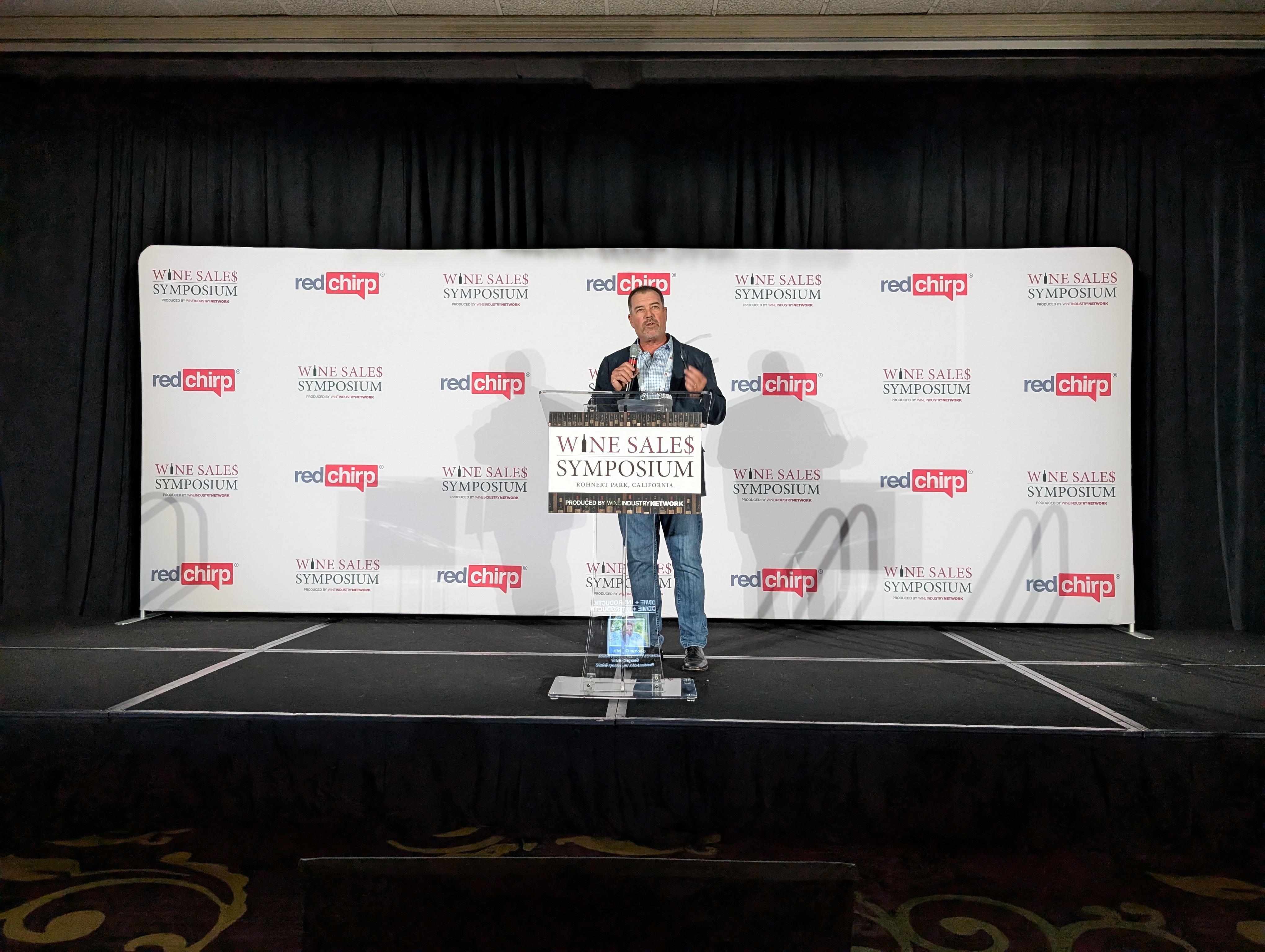
The wine industry isn’t standing still—and neither were the conversations at this year’s Wine Sales Symposium
The mood surrounding the wine industry has shifted noticeably over the past year.
Headlines still focus on contraction, slowing sales, declining consumption, and pressure across direct-to-consumer and wholesale channels. But underneath those realities, another story is emerging: wineries are adapting.
That theme carried through nearly every session at Wine Industry Network’s 2026 Wine Sales Symposium, where winery owners, marketers, strategists, hospitality leaders, and technology providers gathered to discuss what’s actually changing in wine sales—and where opportunity still exists.
The conversations were grounded in realism but notably absent of panic. Speakers focused on the operational, marketing, and consumer shifts wineries are making in response to a rapidly evolving market.
And perhaps most importantly, many of the sessions pointed toward the same conclusion: growth hasn’t disappeared. It has simply moved.
The Consumer Has Changed, And So Has Discovery
One of the strongest recurring themes was the realization that wineries are no longer competing only on wine quality. They’re competing on relevance, visibility, hospitality, and emotional connection.
Several sessions focused on the changing behavior of younger consumers, particularly Gen Z, whose alcohol participation has risen significantly over the past two years. But speakers repeatedly emphasized that younger consumers are not discovering wine through the same pathways previous generations did.
They’re not all entering through tasting rooms. They’re not relying on traditional wine media. And increasingly, they’re not discovering brands through conventional search behavior at all.
Sessions on AI and digital visibility explored how artificial intelligence is already reshaping how consumers discover wineries, plan travel, and evaluate brands online. Speakers discussed the growing importance of structured storytelling, online communities, platforms like Reddit and Google Business Profiles, and the reality that promotional messaging alone is becoming less effective in environments increasingly driven by informational and comparative content.
For many attendees, the takeaway was straightforward: wineries that fail to actively shape their digital footprint risk becoming invisible in the next generation of discovery tools.
Hospitality Is Becoming the Brand
Another major conversation centered on hospitality and visitation, where speakers challenged wineries to rethink the role of the tasting room experience itself.
The old model of education-first hospitality is losing effectiveness with younger consumers. Today’s guests aren’t necessarily looking to be taught how to taste wine correctly. They’re looking for experiences that feel social, personal, emotionally resonant, and worth sharing.
Speakers emphasized that wineries are increasingly competing with restaurants, hotels, entertainment venues, and lifestyle brands—not simply other wineries.
One presenter put it bluntly: “Community is the new economy.” Younger consumers share experiences online not simply to show off, but to create belonging and identity.
The conversation repeatedly returned to one idea: wineries that create memorable, shareable experiences are building emotional connection in ways traditional tasting formats often cannot.
Examples ranged from immersive hospitality concepts and creative food pairings to highly intentional welcome experiences designed to spark conversation, social sharing, and repeat visitation.
The takeaway wasn’t that wine quality matters less. Wine quality is now expected. Experience is what increasingly differentiates brands.
Retention Is Replacing Acquisition as the Growth Strategy
Wine clubs and direct-to-consumer retention emerged as another major focus.
Panelists discussed how rising acquisition costs are forcing wineries to rethink the traditional wine club model, particularly as industry data shows roughly 40% of members cancel within the first year. In contrast, top-performing wineries are retaining more than 85% of members beyond year one by building programs centered on personalization, consistency, hospitality, and emotional engagement rather than simple transactional discounts.
Speakers stressed that retention is no longer an operational concern. It’s becoming one of the industry’s most important strategic growth levers.
Several winery operators also discussed how hospitality and club retention are becoming increasingly interconnected, with tasting room experiences serving as the foundation for long-term loyalty rather than simply one-time transactions.
Focus and Execution Matter More Than Ever
If one theme tied the entire Symposium together, it was focus.
Speakers returned repeatedly to the idea that wineries are overwhelmed not by a lack of ideas, but by too many competing priorities.
The closing session challenged attendees to think differently about implementation itself, arguing that the wineries best positioned for long-term success won’t necessarily be the ones trying the most tactics. They’ll be the ones capable of identifying which strategies compound value over time and which simply reset every quarter.
Rather than chasing every new trend, panelists encouraged wineries to focus on building assets that create long-term leverage: customer relationships, owned audiences, hospitality identity, brand differentiation, and stronger data infrastructure.
The message resonated because it reflected the larger tone of the day. The industry may be changing rapidly, but many of the wineries finding success are doing so by becoming more intentional, more disciplined, and more connected to how consumers actually behave today.
Recorded Sessions Available Soon
For attendees, the conversations from this year’s Wine Sales Symposium continue through access to recorded sessions and post-event materials.
For wineries unable to attend, Wine Industry Network will soon release on-demand access to sessions covering AI and digital visibility, hospitality and tasting room evolution, customer retention and wine club strategy, wholesale and market resilience, strategic partnerships, and winery growth planning.
The recordings provide access to practical insights, real-world strategies, and candid conversations from winery operators, marketers, hospitality leaders, and industry experts actively navigating the same challenges facing wineries today.
More information on recorded session access will be announced soon. Sign up to receive a notification via email.
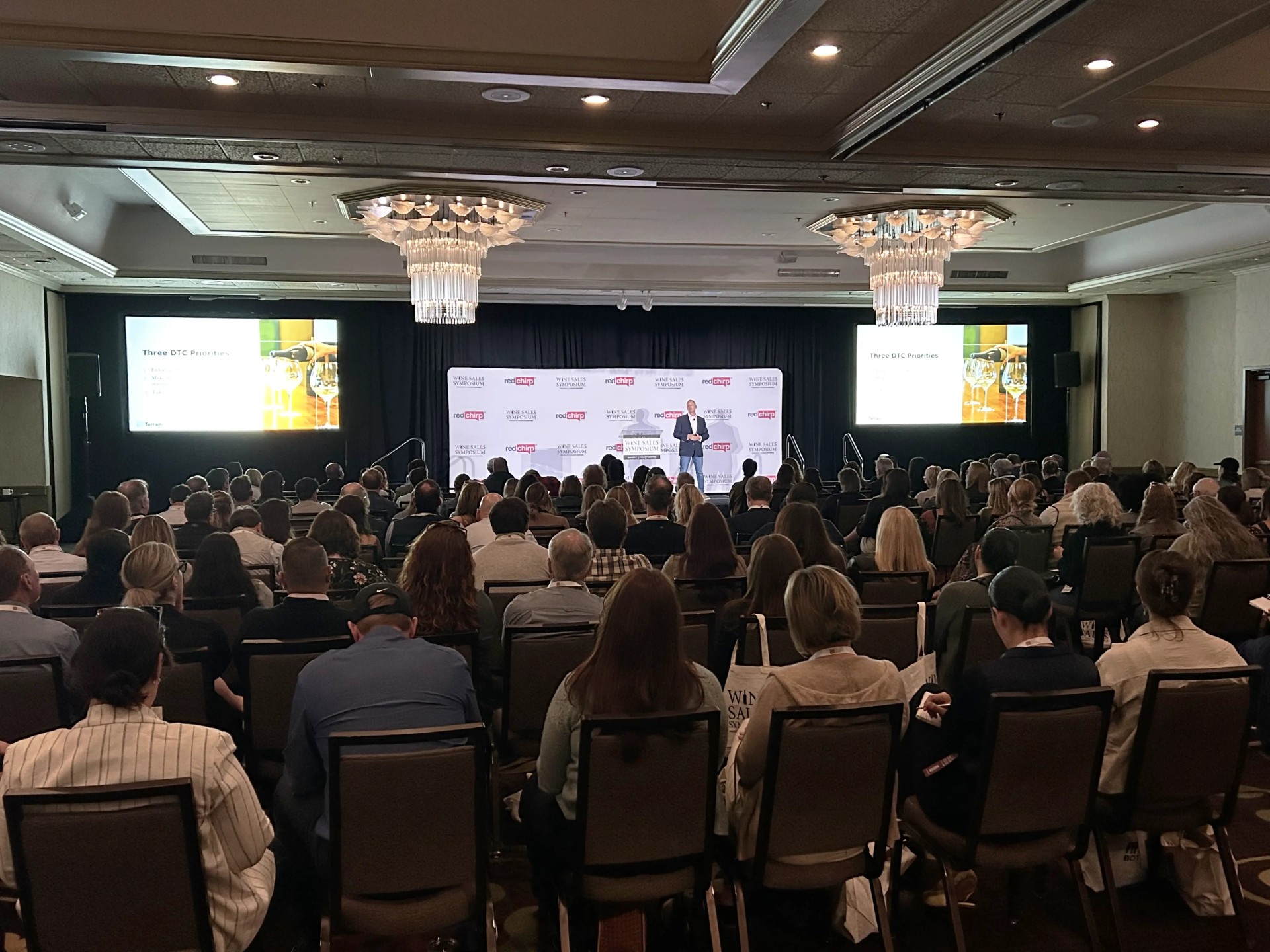
The 2026 Wine Sales Symposium , produced by Wine Industry Network (WIN), concluded Wednesday at the DoubleTree by Hilton Hotel Sonoma Wine Country, bringing together winery owners, sales leaders, and marketing executives for a day of actionable insights and strategic frameworks designed to address the industry's most pressing challenges.
With the wine market facing declining consumption, distributor consolidation, and rapid technological change, this year's symposium focused squarely on solutions. Attendees gained practical strategies for leveraging AI in marketing and customer engagement, navigating wholesale distribution transformation, reducing wine club churn, and creating hospitality experiences that resonate with younger consumers.
The Symposium program opened with Dr. Chris Bitter, Senior Wine & Grape Analyst of Terrain, American AgCredit, providing a data-driven analysis of current wine sales trends and market opportunities. He closed his session with winning strategies for a competitive market environment, outlining strategic imperatives, areas of opportunity, and DTC priorities that wineries can focus on to find success despite broader market headwinds.
The symposium concluded with a closing general session by Damien Wilson, Faculty Director and Hamel Family Faculty Chair of Wine Business at Sonoma State University. Wilson addressed the challenge every attendee faces after a day of learning: deciding what to prioritize when returning to the daily realities of running a winery. He shared emerging tailwinds for the industry while providing a framework for narrowing down insights into actionable priorities. His message resonated: emerging opportunities won’t reward every winery equally, but rather those with clear identity, owned audiences, and the discipline to go deep on a few priorities rather than spreading resources too thin.
Additional sessions covered email marketing optimization, corporate gifting strategies, shipping and fulfillment excellence, strategic partnerships, and producer resilience in a contracting market.
“The wine industry continues to navigate its way through a period of significant change, and the challenges we face are very real. But what stood out throughout the symposium was the resilience and determination of the people that attended who remain willing to adapt, innovate, and build authentic relationships. Those are the wineries and brands that have always won and will ultimately succeed in today’s trying times. The conversations and engagement throughout the day reinforced that our industry is filled with people ready to meet the moment.” stated George Christie, President of Wine Industry Network.
In addition to the conference sessions, attendees had the opportunity to visit with exhibiting companies, enjoy a delicious catered lunch prepared by the DoubleTree’s Chef and attend a special end-of-day networking social featuring local wines.
For more information about the Wine Sales Symposium, to purchase recordings of the 2026 sessions, or to be notified about the 2027 event, visit winesalessymposium.com
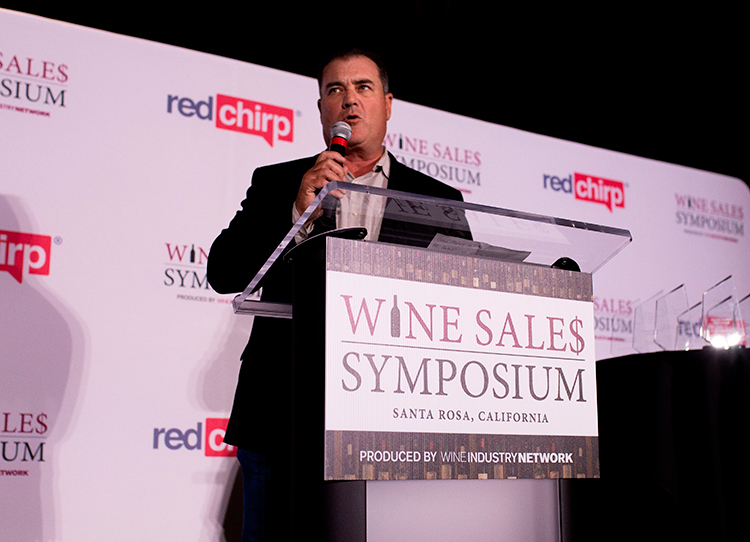
Winery leaders and industry experts explore the strategies shaping the future of wine sales.
The wine industry narrative over the past two years has been dominated by decline: falling consumption, shrinking distributor portfolios, and weakening consumer loyalty. The headlines suggest an industry in freefall.
But the reality is more nuanced - and more useful.
Yes, overall wine consumption continues to face pressure. Consumer behavior is fragmenting in ways that challenge traditional approaches. But the full story isn’t simply decline. It’s divergence.
Some wineries are still growing. Some categories are holding steady while others contract. Some sales channels are thriving while others struggle. The difference often comes down to whether wineries have adapted their strategies to match the market that exists today, not the one that existed three years ago.
At Wine Industry Network’s Annual Wine Sales Symposium on May 13, Dr. Chris Bitter will present research on what’s actually happening in the wine market beyond the headlines. His session breaks down where pressure is real, where performance remains strong, and what the data reveals about which strategies are working.
Understanding that distinction matters. The wineries making the wrong moves aren’t failing due to poor execution. They’re solving for a market that no longer exists.
What's Actually Changing
The playbook wineries relied on even two years ago may no longer be enough. Consumer behavior is shifting in fundamental ways. Younger consumers are entering the market with different expectations around format, pricing, and brand authenticity. They are less motivated by tradition and more driven by experience and value.
At the same time, direct-to-consumer acquisition costs have climbed while conversion rates have softened. Wholesale distribution continues to consolidate, creating fewer paths to market. And tasting rooms now compete with a broader set of hospitality experiences across travel, dining, and entertainment.
Discovery itself is also changing. Artificial intelligence is beginning to influence how consumers find, evaluate, and choose wine. Wineries that don’t understand how these systems surface brands risk becoming invisible to the next generation of buyers.
These are not temporary disruptions. They are structural shifts that require new strategies, not just better execution of old ones.
Where the Old Playbook Falls Short
Relying on wholesale as a primary growth engine no longer works for most small and mid-sized wineries. Treating the wine club as a passive subscription model leads to churn rates approaching 40% in the first year, which is increasingly unsustainable as acquisition costs rise.
Investing in traditional tasting room models without rethinking the experience leaves wineries competing for a shrinking pool of visitors. And running marketing campaigns without understanding how discovery is changing means missing the channels where decisions are actually being made.
The wineries that recognize these shifts early have a meaningful advantage.
Where Growth Is Still Happening
Growth hasn’t disappeared. It has become more focused.
At the Wine Sales Symposium, these opportunities are explored through a series of sessions designed to help wineries align their strategy with where the market is actually moving.
Customer Retention has become the highest-leverage growth driver. As acquisition becomes more expensive, wineries are rethinking how they build long-term relationships. The session " The Wine Club Reset" focuses on how top-performing wineries are keeping more than 85% of members past year one by transforming their clubs into true membership ecosystems.
Strategic Partnerships are opening doors traditional marketing can't. Partnerships with brands across hospitality, travel, and lifestyle are creating new entry points without the cost of building those audiences from scratch. The session on Strategic Partnerships explores how these relationships are structured and how they translate into measurable results.
The tasting room is being reinvented as an experience destination. Visitation is no longer driven by convenience. Today’s consumers are choosing experiences that feel intentional, social, and worth their time. The sessions focused on hospitality and visitation examine how wineries are creating environments that foster connection and reflect a clear brand identity.
AI-driven discovery is reshaping the buyer's journey. How consumers discover, evaluate, and decide what to buy is evolving. These two sessions focused on AI and consumer engagement, will break down how wineries can remain visible in these emerging channels and respond to customers more effectively.
Wineries still committed to wholesale success require a more deliberate approach. "The New Distribution Reality" will address how to navigate consolidation and portfolio pressure, while broader discussions around producer resilience explore how wineries are adjusting their overall sales strategies to stay competitive.
What Should You Do First?
Once you understand where growth is happening, the next challenge is deciding where to focus.
The closing session, "From Insight to Action", addresses exactly this. Strategist Adam Bird provides a framework for determining which levers matter most based on where your winery sits right now, so you leave with a plan you'll execute, not a list you'll abandon.
The wineries that succeed in the next phase of the market won’t be the ones that try everything. They’ll be the ones that choose the right priorities and go deep.
The Market Rewards Clarity and Speed
The wine market is in correction, but that correction is creating opportunity for wineries that adapt.
Gen Z participation in alcohol has risen sharply. Personalization tools are more accessible than ever. Cultural shifts toward experience and authenticity are building momentum for an industry built around those strengths.
But those tailwinds won’t reward hesitation. They reward clarity, focus, and disciplined execution.
Wine Industry Network’s 2026 Wine Sales Symposium takes place May 13 at the DoubleTree by Hilton Hotel Sonoma Wine Country in Rohnert Park, California.
The event is designed for winery owners, sales leaders, marketing executives, and decision-makers who need to understand what's actually happening in the market, and what strategies are working now.
Advanced pricing is $345 and includes full access to all sessions, lunch, and the end-of-day networking wine social. Day-of pricing is $395.
If you’re responsible for growing wine sales, building stronger customer relationships, or navigating the changing wine market, this event was designed for you.

The wine market is no longer simply in a slowdown – it is in structural correction.
Distribution routes are tightening, consumer behavior is shifting, and the assumptions many wineries relied on even two years ago no longer hold. Wholesale channels that once provided stable revenue are consolidating or disappearing. Tasting room traffic has become inconsistent. Consumer loyalty has weakened.
This isn’t temporary turbulence. It’s a fundamental reshaping of how wine reaches customers and which wineries succeed in doing so.
Winery owners are facing hard questions: Should I double down on wholesale or pivot to direct-to-consumer? Do I chase new customer segments or deepen relationships with existing ones? The challenge isn’t a lack of options. It’s knowing which move to make first when resources are tight, and the margin for error is slim.
The Distribution Landscape Has Fundamentally Changed
For decades, wholesale distribution provided a reliable path to market. Regional distributors carried diverse portfolios and created predictable revenue streams.
That model is breaking down.
Distributors are consolidating at an accelerating pace. Portfolio trimming has become standard practice, with distributors cutting brands that don’t meet new volume or margin thresholds. For many wineries, routes to market that existed 18 months ago have simply closed.
Add to this the reality that consumer behavior is shifting dramatically. The wine industry is facing declining overall consumption, rising production costs, and a generation of younger drinkers who aren’t reaching for wine the way previous generations did.
Some Producers Are Finding a Way Through
But not every producer is paralyzed by these challenges.
Chris Baker, President of Brassfield Estate Winery, has watched the distribution landscape transform firsthand. Alongside Brent Bolding, SVP of Sales Strategy & Operations at Jackson Family Wines, and Cheryl Durzy, CEO of LibDib, Baker has been rethinking what it means to succeed in wholesale when the old playbook no longer applies.
That adaptation looks different depending on the winery. Some are doubling down on direct-to-consumer innovation. Others are experimenting with new product formats. Still others are forming unexpected partnerships that open doors to new audiences.
Laura Gabriel, Brand Strategist and Co-Founder of Paper Planes and The River Club, has seen producers build resilience by treating their challenges as creative opportunities rather than existential threats.
“A lot of wineries jump straight to tactics – DTC, new products, partnerships, but if you don’t have clarity on who you’re trying to reach and how they actually live, none of those decisions will land the way you want them to.”
Judd Wallenbrock, CEO and President of Somerston Wine Co., has navigated these shifts by focusing on operational resilience and strategic clarity. Together with Gabriel and Terra Jane Albee, Director of Client Success at Vinoshipper, Wallenbrock represents a growing group of producers seeking opportunity rather than waiting for conditions to improve.
But knowing that other wineries are succeeding doesn’t answer the hardest question: What should you do first?
The Real Challenge Is Prioritization
Adam Bird, Partner and Director of Strategy at Highway 29 Creative, works with wineries navigating exactly this tension every day.
“Everything changed at once,” Bird says. “When five things break at the same time, the instinct is to fix all five. That instinct is the problem.”
Bird points to encouraging signs. The contraction curve is flattening. Gen Z alcohol participation has jumped from 46% to 70% in just two years. Personalization tools once reserved for large operations are now accessible to smaller wineries.
“The next generation of wine buyers exists, and they’re entering right now,” Bird says. “But they’re not entering through the same doors. Show up where they are or risk not reaching them at all.”
But these tailwinds won’t reward every winery equally. They reward clear identity, owned audiences, and disciplined focus.
If a winery could only focus on one growth lever, how should they decide?
“Find the thing that’s already working and put more behind it,” Bird advises. “The first move is almost never something new.”
What separates a winery that leaves with ideas from one that leaves with a plan they’ll execute?
“It’s important to be honest about where they sit,” Bird explains. “The wineries that execute are the ones willing to stop doing something, not just start something new.”
Gabriel reinforces this point with practical advice: “Most wineries are still spending money on things they decided to do years ago, and we’re all moving too quickly to stop and ask if they are still working. Next week, pick one thing you’ve been doing for a long time and re-allocate the funds and bandwidth to something new that you have been wanting to try.”
The mistake both experts see? Treating every opportunity as equally urgent.
“Most businesses treat every opportunity like it’s equally urgent,” Bird says. “Where you sit on the spectrum between survival and growth determines what matters first.”
Learning From the Wineries That Are Figuring It Out
At Wine Industry Network’s Annual 2026 Wine Sales Symposium on May 13, these industry leaders will share exactly how they’re navigating the new reality.
Chris Baker, Brent Bolding, and Cheryl Durzy will lead “The New Distribution Reality: Reckoning with the Future of Wholesale,” breaking down what’s actually happening and how top performers are positioning themselves to win.
Judd Wallenbrock, Laura Gabriel, and Terra Jane Albee will lead “Fostering Resilience: How Producers Are Innovating Through the Downturn,” sharing real tactics from wineries navigating the same pressures you are.
And Adam Bird will close the day with “From Insight to Action: How to Decide What Matters First,” providing a framework so you leave with a plan you’ll act on, not a list you’ll forget.
The wine market is correcting – and the correction is rewarding wineries with clear strategy and disciplined focus.
Wine Industry Network’s Annual 2026 Wine Sales Symposium takes place May 13 at the DoubleTree by Hilton Hotel Sonoma Wine Country in Rohnert Park, California.
Advance registration pricing is $345 and includes full access to all sessions, lunch, and a networking social. Day-of pricing is $395.
Register here to secure your spot.
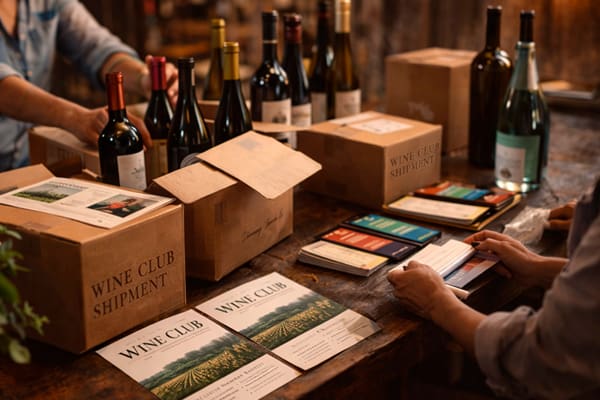
Why Wine Clubs Aren’t Working, And What’s Replacing Them
For many wineries, the biggest challenge today isn’t attracting new customers; it’s keeping the ones they already have.
Wine clubs once represented the most stable revenue engine for wineries. Members signed up, shipments went out quarterly, and predictable revenue flowed in. It was the foundation of direct-to-consumer success.
But that foundation is cracking.
Recent industry data reveals a troubling trend: nearly 40% of wine club members cancel within the first year. In a market where customer acquisition costs are climbing, and competition for attention has never been fiercer, losing members at this rate isn’t just a retention problem; it’s a profitability crisis.
The math is unforgiving. If acquiring a new club member costs hundreds of dollars in marketing, tasting room labor, and incentives, losing them before they’ve generated meaningful lifetime value means wineries are bleeding money with every signup.
And yet, some wineries are defying this trend entirely.
Why Traditional Wine Clubs Are Struggling
The wine club model that worked for decades was built on a simple premise: offer a discount, ship wine regularly, and members will stick around out of loyalty and convenience.
That premise no longer holds.
Today’s consumers don’t stay loyal simply because they signed up once. They’re subscribed to streaming services, meal kits, beauty boxes, and a dozen other recurring purchases competing for their wallet and attention. Loyalty must be continuously earned-and if a wine club feels transactional or forgettable, it gets cut.
The wineries struggling with retention are often the ones still treating their clubs like subscription programs: predictable shipments, generic communications, and little reason to stay engaged between boxes.
Meanwhile, top-performing wineries are seeing retention rates above 85% past year one. The difference? They’ve stopped thinking of wine clubs as subscription programs and started building them as membership ecosystems.
The Wine Club Is Being Reinvented
At Wine Industry Network’s upcoming Annual 2026 Wine Sales Symposium on May 13th, the session The Wine Club Reset: How Top Performers Are Turning Churn into Retention will unpack exactly how the most successful wineries are doing this.
Led by industry retention experts, the session reveals the systems, psychology, and technology that transform wine clubs from “subscribe and save” programs into high-value membership experiences that customers don’t want to leave.
This isn’t about offering deeper discounts or adding more perks. It’s about understanding what drives retention at a behavioral level, and designing club experiences that make cancellation unthinkable.
The wineries getting this right aren’t just retaining members longer. They’re generating the highest customer lifetime value in all of subscription commerce.
Brand Growth Beyond the Bottle
But retention is only one part of the growth equation. The other challenge wineries face is reaching new audiences without relying solely on expensive traditional marketing.
That’s where strategic partnerships come in.
Partnerships allow wineries to connect with customers they’d never reach on their own, without the cost of building those channels from scratch. From creative local collaborations that enhance guest experiences to high-impact national partnerships that deliver scale and visibility, wineries are finding growth by aligning with brands in travel, hospitality, lifestyle, and media.
Sandra DeMaria, Director of Sales & Marketing at Ehlers Estate, has seen firsthand how the right partnerships can transform a winery’s reach. But she cautions against chasing partnerships for the wrong reasons.
“The biggest mistake I see wineries making is a narrow focus on monetary ROI or chasing partnerships based solely on ‘reach,’” DeMaria says. “If a brand has a massive audience but zero alignment with your brand ethos, it’s a hollow victory. Partnerships fail when they feel forced or when they prioritize a quick buck over the integrity of the story you’re trying to tell.”
So how does a winery know if a partnership is the right fit?
“It starts with self-awareness,” DeMaria explains. “You have to know your own brand—its goals, its values, and its long-term strategy, inside and out. Before signing on, ask: Does this reflect who we are when no one is looking? If the partnership doesn’t align with your core values, it won’t sustain you in the long run.”
DeMaria points to an example that surprised her with its effectiveness: partnering with local sommeliers not as salespeople, but as community builders.
“We invited sommeliers to gather their peers for a deep-dive conversation on finding solutions for Napa wineries,” she says. “It shifted the dynamic from a transaction to a community. The turnout was fantastic, and the engagement was off the charts because it allowed people to experience the winery from a completely different point of view. By letting the somms invite their own peers, it turned a standard trade marketing event into an authentic, shared experience.”
When it comes to overlooked partnership opportunities, DeMaria encourages wineries to look closer to home.
“Wineries are frequently overlooking the entrepreneurs within their own wine clubs or customer bases,” she notes. “These are people who already love what you do; finding ways to collaborate with them creates a beautiful, organic synergy that feels much more personal than a cold corporate tie-in—and as an added bonus, it will deepen their loyalty to your brand.”
And for long-term brand equity rather than short-term sales, DeMaria points to an often-underestimated partner: wholesalers.
“People often view them as a middleman hurdle, but wholesalers are actually your best long-term allies,” she says. “The secret is finding your differentiating aspects and identifying exactly how you can add value to the distributor’s portfolio. When you treat a wholesaler as a true partner in your strategy—especially as a small producer—you become part of their long-term strategy.”
The Symposium session How Wineries Are Building Brands and Success Through Strategic Partnerships explores how to identify the right partners, structure mutually beneficial relationships, and turn partnerships into long-term brand growth and customer acquisition.
The best partnerships don’t just drive short-term sales-they introduce your brand to audiences who become your next wave of loyal club members.
The Future of Wine Growth Is Relationship-Based
The wineries that will thrive in the coming years won’t be the ones chasing the most signups. They’ll be the ones building the deepest relationships, with their members and with strategic partners who amplify their reach.
Wine Industry Network’s Annual 2026 Wine Sales Symposium is designed for winery owners, sales leaders, and marketing executives who are ready to rethink how they grow.
The in-person symposium takes place May 13, 2026 at the DoubleTree by Hilton Hotel Sonoma Wine Country in Rohnert Park, California.
Advance registration is $345 and includes full access to all sessions, lunch, and a networking social. Day-of pricing is $395.
The brands that figure out retention and partnerships will own the next decade.
The ones that don’t will keep losing members – and revenue – at rates they can’t afford.
Register here to secure your spot.
From hospitality-driven visitation to loyalty and strategic partnerships, the Wine Sales Symposium explores where revenue growth is coming from now
The path to winery growth looks different than it did even a few years ago.
Today’s most successful wineries are not relying on a single channel or a single tactic. Instead, they are building growth through a combination of stronger customer experiences, deeper retention strategies, and brand partnerships that extend reach beyond traditional wine audiences.
At this year’s Wine Sales Symposium, several sessions will explore how these shifts are reshaping sales and marketing strategies across the industry.
One of the most important changes is happening in hospitality and visitation. Consumers—especially Millennials and Gen Z—are increasingly choosing experiences that feel personal, memorable, and aligned with their identity. For wineries, that means visitation is no longer simply about tasting wine; it’s about designing emotionally resonant experiences that build connection and long-term loyalty.
Sessions focused on hospitality will examine how leading wineries are redefining the tasting room experience, borrowing inspiration from hotels, restaurants, and other experience-first brands to meet evolving consumer expectations.
At the same time, wineries are placing renewed focus on customer retention and lifetime value. In a market where acquisition costs continue to rise, reducing club churn and increasing member loyalty has become a major revenue driver. Attendees will hear how wineries are rethinking their club programs as long-term membership ecosystems designed to keep customers engaged well beyond the first year.
Another key area of growth is emerging through strategic brand partnerships. More wineries are collaborating with hospitality, travel, lifestyle, and media brands to expand visibility, reach new audiences, and create new revenue opportunities. These partnerships are proving to be powerful tools for brand awareness, customer acquisition, and long-term business growth.
Together, these sessions reflect a larger industry reality: growth today is coming from wineries that create stronger customer relationships at every stage—from the first visit to long-term loyalty.
The Wine Sales Symposium will bring these conversations together with practical frameworks, case studies, and actionable strategies wineries can apply immediately.
CLICK BELOW for more information on the 2026 Wine Sales Symposium
The tasting room used to be the heart of the winery business model. Walk-ins became club members. Club members became brand ambassadors. Revenue flowed predictably, and the formula worked.
That’s changing.
Visitation to wine regions is softening and tasting room traffic that wineries once counted on is declining. The cohort that’s most noticeably absent? Millennials and Gen Z, the consumers who should be building the next generation of wine loyalty.
For many wineries, the drop-off has been gradual enough to rationalize. Blame the economy. Blame changing drinking habits. Blame competition from craft beer and cocktails.
But the reality is harder to swallow: younger consumers aren’t avoiding wine country because they don’t like wine. They’re avoiding it because the traditional tasting room experience no longer competes with how they want to spend their time and money.
And if wineries don’t adapt, they risk becoming relics of an industry that waited too long to evolve.
The Real Problem: Wine Isn’t Enough Anymore
Twenty years ago, offering great wine in a beautiful setting was sufficient. Guests arrived curious, left educated, and often joined the club.
Today, wineries aren’t just competing with each other. They’re competing for a slice of consumers’ total “fun budget” which is the same budget that includes destination dining, immersive travel experiences, live entertainment, and cultural events that didn’t exist a generation ago.
“Walking into a quiet tasting room with a scripted presentation about soil types isn’t exactly the adrenaline rush younger consumers are looking for,” says Susan DeMatei, president of Wine Glass Marketing and a speaker at Wine Industry Network’s upcoming Annual 2026 Wine Sales Symposium. “Millennials and Gen Z want experiences that feel social, shareable, and worth their time. Wine as a status symbol simply doesn’t inspire them the way it did previous generations.”
The stakes are high. Tasting rooms that fail to evolve risk becoming what younger consumers already suspect they are: stuffy, expensive, and irrelevant.
But here’s what makes this moment both challenging and opportunistic: some wineries are cracking the code. They’re drawing in exactly the consumers others have lost. They’re creating loyalty where skepticism used to live. And they’re doing it by fundamentally rethinking what a tasting room can be.
What’s Working (And Why It Matters)
The wineries seeing success aren’t just tweaking their tasting fees or updating their furniture. They’re reimagining hospitality from the ground up.
Candace MacDonald, co-founder and managing director at marketing firm Carbonate will lead a session on hospitality concepts at the Wine Sales Symposium and has watched this shift happen in real time.
“The deadly combination of high cost and high formality is what’s killing traditional wine country,” MacDonald says. “Younger consumers don’t want to feel like they’re walking into an intimidating masterclass. They want to feel welcomed into a space where they belong.”
Some wineries have responded by lowering the barrier to entry. Others have elevated the experience to compete with luxury hospitality. A few have done both, depending on the audience.
The common thread? They’ve stopped treating wine as the sole attraction and started treating it as one part of a larger, more compelling story...
READ THE FULL ARTICLE HERE