
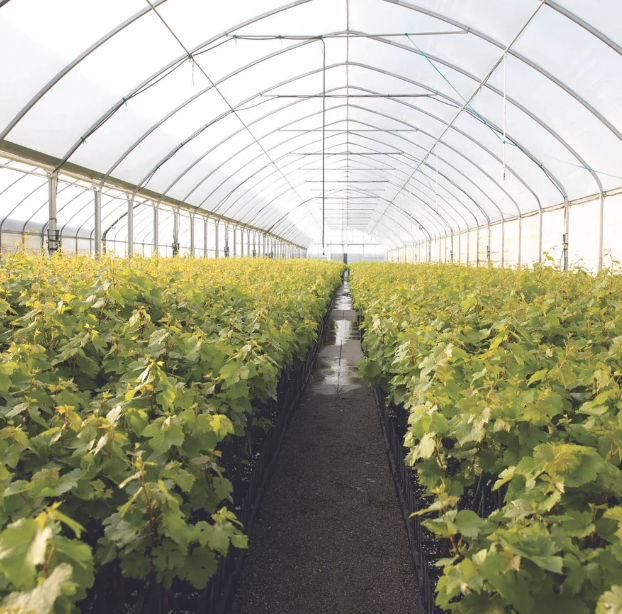
A vineyard is a long-term investment, and some of its most consequential decisions are made before the first vine ever enters the ground. Variety, clone and rootstock selection matter—but so does the health, traceability and handling of the plant material itself.
Grapevines can carry viruses without displaying obvious symptoms. Depending on the virus, variety and growing conditions, infected vines may experience delayed ripening, reduced yield and fruit quality, or more serious long-term decline. Because symptoms are not always visible, a vine that looks healthy is not necessarily free from economically damaging pathogens.
That is where certified plant material becomes important.
What does “California Certified” actually mean?
California’s Grapevine Registration and Certification Program is a voluntary program administered by the California Department of Food and Agriculture, or CDFA. The program establishes procedures for testing source vines for significant grapevine pathogens and for inspecting and maintaining registered source blocks and certified nursery stock.
The process begins with Foundation Plant Services at UC Davis. FPS maintains professionally identified grapevine selections that have undergone prescribed disease testing. Participating nurseries obtain Foundation stock from FPS and use it to establish registered increase blocks. Cuttings from those registered blocks can then be rooted or grafted to produce California Certified grapevines.
For a grafted vine, both components matter. Viruses can be introduced through infected rootstock or infected scion wood, which is why traceability and careful management of both sources are essential.
Because participation in the California program is voluntary, vineyard owners and managers should not assume that every vine offered for sale has followed the same certification pathway.
Certification reduces risk—it does not eliminate every risk
Certified vines provide growers with an important layer of protection, but certification should not be interpreted as a permanent guarantee that a vine is completely virus-free.
The program targets specific regulated diseases and pathogens. Meanwhile, grapevines can harbor numerous virus and virus-like agents, some of which may remain latent or may not yet be included in a particular testing protocol. Plants can also be exposed after propagation through insects, nematodes or contact with infected plant material.
That is why certification should be viewed as the foundation of a nursery’s clean-plant program—not the only question growers ask.
Questions to ask before placing an order
When evaluating a grapevine nursery, growers should ask where the rootstock and scion material originated and whether each can be traced back to FPS Foundation stock.
They should also confirm whether the nursery’s increase blocks are registered and inspected by CDFA, and whether the finished vines will arrive with the appropriate certification documentation or official tags.
Beyond certification, ask how frequently the nursery tests its own increase blocks, nursery rows and any outside sources of plant material. A strong nursery partner should be able to discuss which viruses are being monitored, how potentially affected material is isolated or removed, and what steps are taken to reduce exposure from insect vectors.
Transparency matters, too. Testing results, source records and concerns about plant material should not be treated as information that growers are discouraged from discussing. The best results come when the nursery, vineyard manager, testing laboratory and grower approach clean planting material as a shared responsibility.
The Martinez Orchards approach
Martinez Orchards is a current participant in the California Grapevine Registration and Certification Program. Every cutting used in its program is originally sourced from Foundation Plant Services at UC Davis, while the rootstock and scion grown in its increase blocks are inspected annually by CDFA.
Our team also annually inspects and virus-tests its increase blocks, nursery rows and outside sources of plant material, with particular attention paid to vector spread and economically important viruses. Results are shared, and customers are encouraged to participate in the process.
That combination of certified source material, ongoing testing, careful increase-block management and open communication helps growers begin their vineyard projects with greater confidence.
Planning a new vineyard, redevelopment or replacement planting? Contact Martinez Orchards to discuss certified plant material and the right options for your project.
Martinez Orchards, Inc. has been a trusted name in grapevine nursery production since 1969, when founder Dan Martinez Sr. began growing grapevine rootstock in Winters, California. What started as a simple farming venture has grown into one of the most respected grapevine nurseries in the industry — known for exceptional plant material and hands-on care rooted in family tradition.
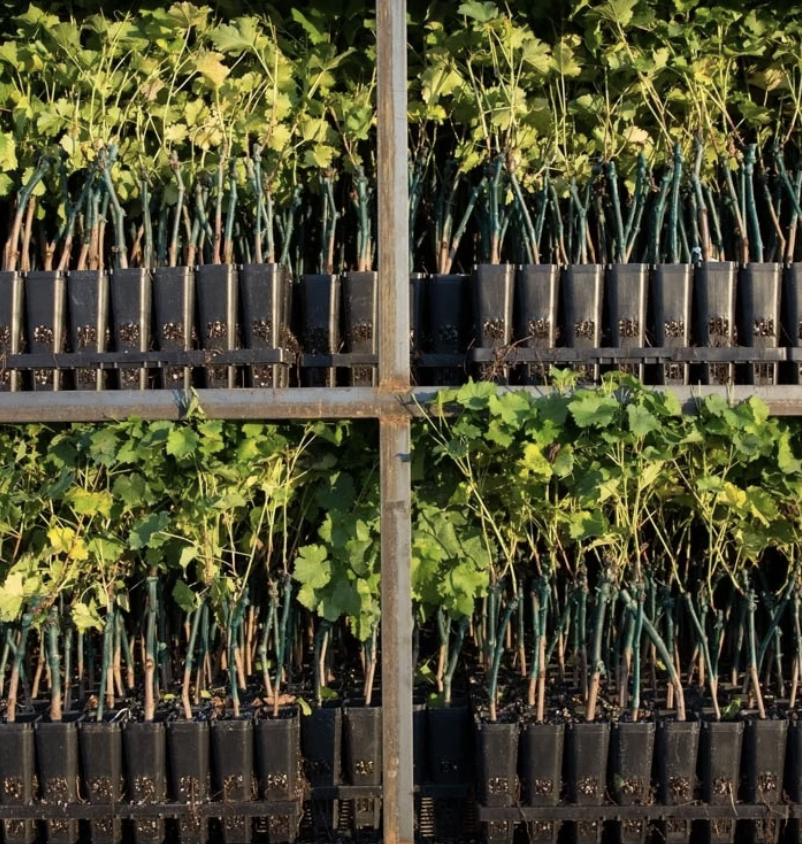
Nestled along the fertile sandy loam soils of Winters and Putah Creek, Martinez Orchards specializes in producing field grown dormant vines and rootings, as well as greenhouse grown grapevines — all developed under rigorous quality standards that set them apart in the trade.
A Legacy of Quality and Care
Today, the company is run by Dan Martinez Jr. alongside longtime partner Santiago Moreno and vineyard veteran Ernie Bowman, who carry forward the same work ethic and devotion to quality that defined the business from the beginning. Despite growing to produce millions of plants annually, the team still operates much like a family farm — with the “boardroom out in the fields” and decision-making rooted in practical, on-the-ground experience.
Every vine that leaves Martinez Orchards reflects this philosophy: meticulous nourishment of increase blocks, careful crop and field rotation, and never rushing Mother Nature. These practices help ensure plant material that is strong, healthy, and ready to thrive in vineyards around the world.
Why Growers Choose Martinez Orchards
Exceptional Plant Quality
Both dormant field-grown vines and greenhouse-grown plants are produced to exacting standards, with thoughtful spacing and cultivation that promote robust root systems and vigorous growth.
Certified and Clean Material
All cuttings originate from Foundation Plant Services (FPS) stock at UC Davis and are inspected annually by the California Department of Food and Agriculture — meaning growers get certified and clean planting material that supports vineyard longevity.
Industry Reputation and Support
Martinez Orchards isn’t just a supplier — they’re a partner. Their knowledgeable sales team and experienced production staff provide growers with support beyond the order, helping ensure successful plantings and building long-term relationships.
In Short...
For nearly six decades, Martinez Orchards has blended family tradition, regional advantage, and strict quality control to grow healthy grapevines that vineyard owners can count on. Whether you need certified rootstock, grafted vines, or greenhouse-grown plants, their decades of experience and commitment to excellence make them a top choice for growers looking to set their vineyard up for success.