

Lower Water, and Resource Use with a Smarter Cellar Strategy
The new Napa Green Winery Certification standards put greater emphasis on how wineries use water, energy and other resources across the entire operation. 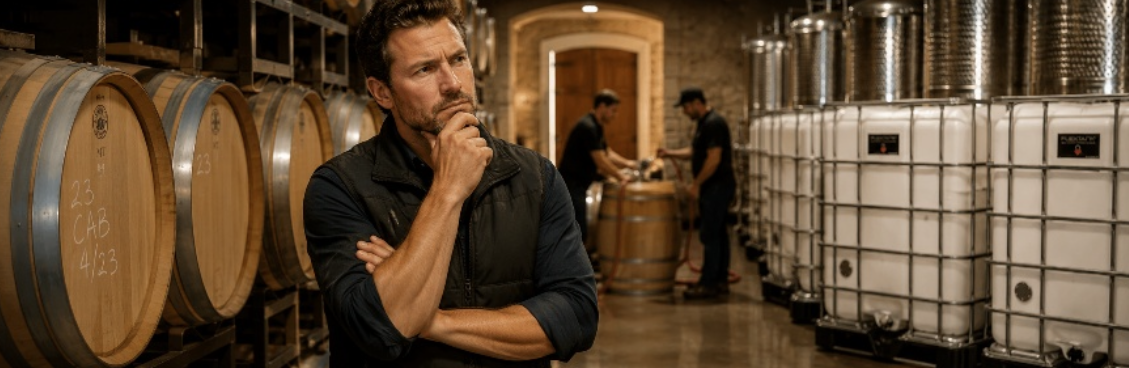
Napa Green also requires wineries to establish operating baselines, track improvements and take measurable steps to reduce waste and greenhouse gas emissions over time. The challenge for winemakers is turning those goals into practical decisions throughout the cellar.
Water Efficiency: Where is the most water being used?
Energy Efficiency: Which processes require the most energy?
Supply Chain and Waste Prevention: How often is equipment replaced?
Climate Action: How much material is being purchased, transported and discarded?
Continuous Improvement: Where can production improve while protecting wine quality?
A more sustainable cellar does not depend on one major change. Instead, improve the processes, equipment and production decisions that use the most resources. Here are four ways to do it:
1. Measure Water Use at the Process Level
Napa Green specifically emphasizes water measurement, benchmarking and efficiency as part of winery certification. Reducing winery water consumption starts with knowing where the water goes. Cleaning tanks, barrels, hoses, processing equipment and production creates substantial water use.
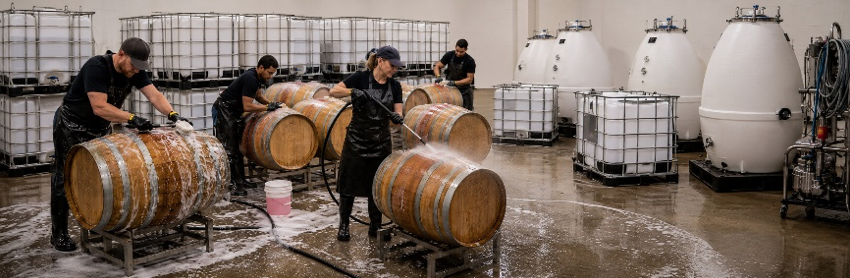
The goal isn't simply to use less water. It is to use only the water required to achieve the necessary sanitation standard.
Depending on the winery's procedures, cleaning can involve hot water, steam, ozone or cleaning and neutralizing solutions. Modern wineries can reduce water consumption by:
Measuring water used during individual cleaning processes.
Standardizing rinse and sanitation procedures.
Using high-efficiency spray systems and cleaning equipment.
Replace water-intensive processes and modernize vessel use.
2. Reduce the Materials Used to Produce Every Gallon
Sustainability also means looking at how many containers, vessels and handling steps are required from the field through fermentation.
Long-life, reusable vessels can help reduce material use while giving winemakers more flexibility across several stages of production. O2-permeable bins, for example, can be used for grape picking, crush handling and initial fermentation. The same vessel can move with the wine instead of requiring a different container for each step.
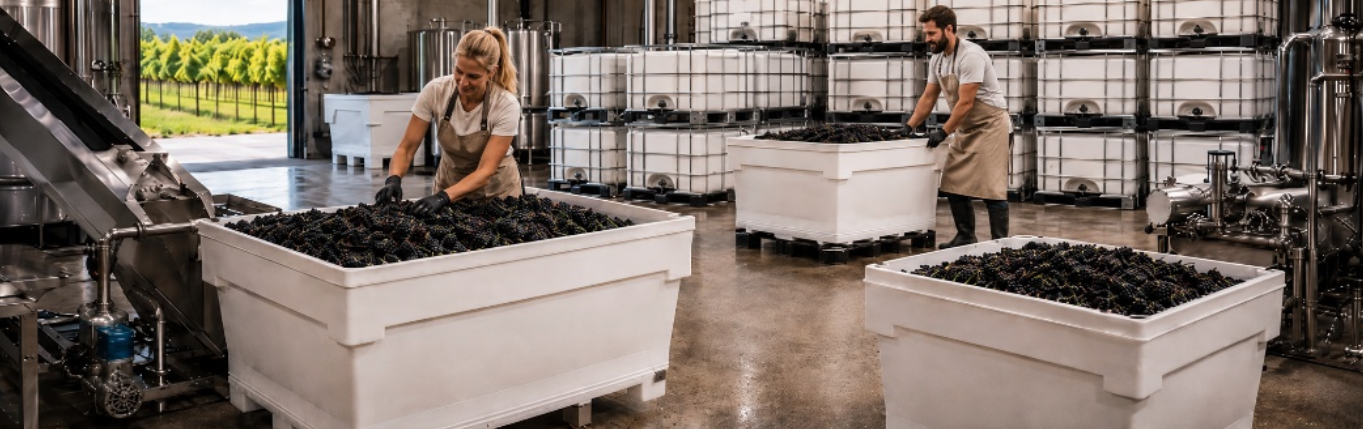
Wineries can reduce resource use by choosing durable vessels that serve multiple stages of production:
Use the same vessel for picking, transport, crush handling and fermentation.
Reduce transfers between containers and the cleaning required between production steps.
Lower the number of single-purpose vessels that must be purchased, stored and replaced.
Extend production equipment lifespan by choosing durable vessels designed for repeated use.
3. Measure Sustainability Across the Life of the Vessel
A vessel’s sustainability profile is shaped by more than the material it is made from. Service life, cleaning requirements, water use, maintenance, transportation and replacement all contribute to its total impact over time.
Winemakers can compare vessels by the resources each one uses across years of production, not just by the material it’s made from.
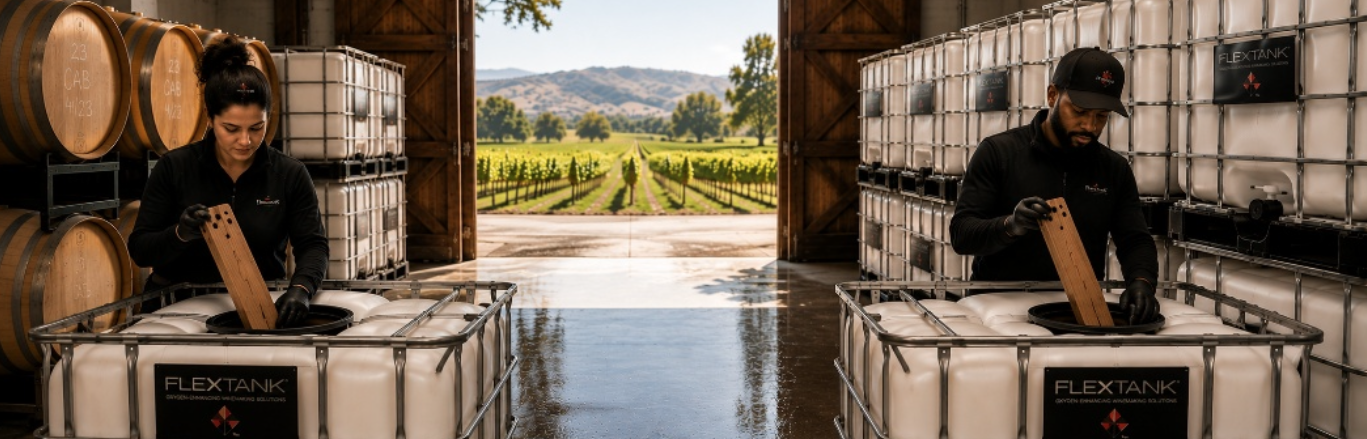
A vessel that lasts for decades reduces the need for repeated manufacturing, purchasing, transportation and replacement. A longer service life can reduce material use and spread the environmental impact of manufacturing across many more years of production.
The same lifecycle thinking applies throughout the winery:
Expected service life
Water and energy use over time
Ongoing maintenance requirements
Replacement frequency
End-of-life reuse or recycling options
4. Build a Modern Hybrid Cellar Around the Wine
A modern hybrid cellar gives winemakers more flexibility to match vessel choice with wine style, production needs and sustainability goals while protecting wine quality and reducing resource use.
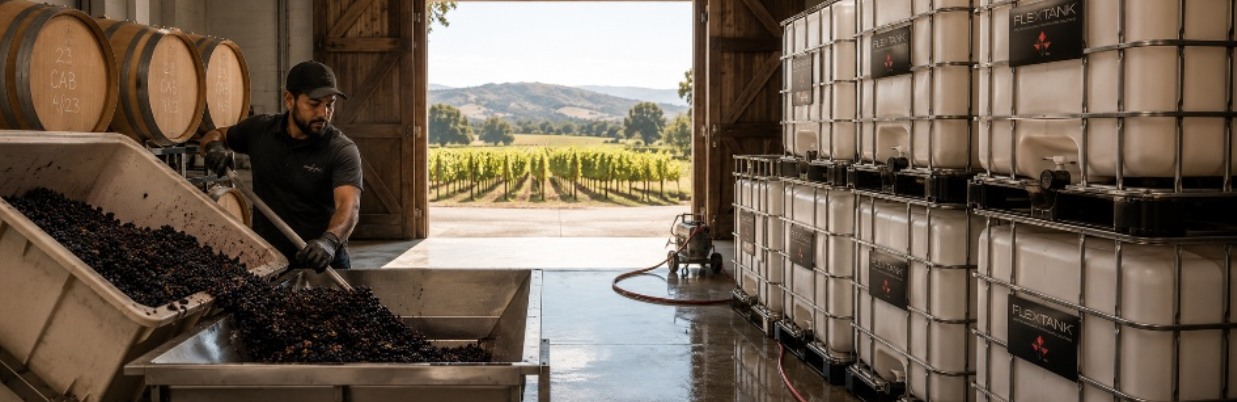
Winemakers can manage oxygen exposure, oak contribution and vessel selection as separate production decisions. Traditional cooperage can remain part of the program where barrel aging is important to the wine. Other lots can move into long-life, O2-permeable vessels for maturation and storage. Oak chips and staves can help develop specific flavor profiles and finishing characteristics without requiring every lot to age in a traditional barrel.
A modern hybrid cellar can support several Napa Green priorities at once:
Less cleaning water
Less chemical use
Fewer replacement vessels
More targeted use of oak
Less wine lost to evaporation
Longer equipment life
Turn Modern Winery Sustainability Goals into Measurable Progress
Napa Green gives wineries a clear direction: measure resource use, identify the biggest opportunities for improvement and make steady, documented progress over time. Sustainability requirements will continue to shape how wineries operate, invest and plan.
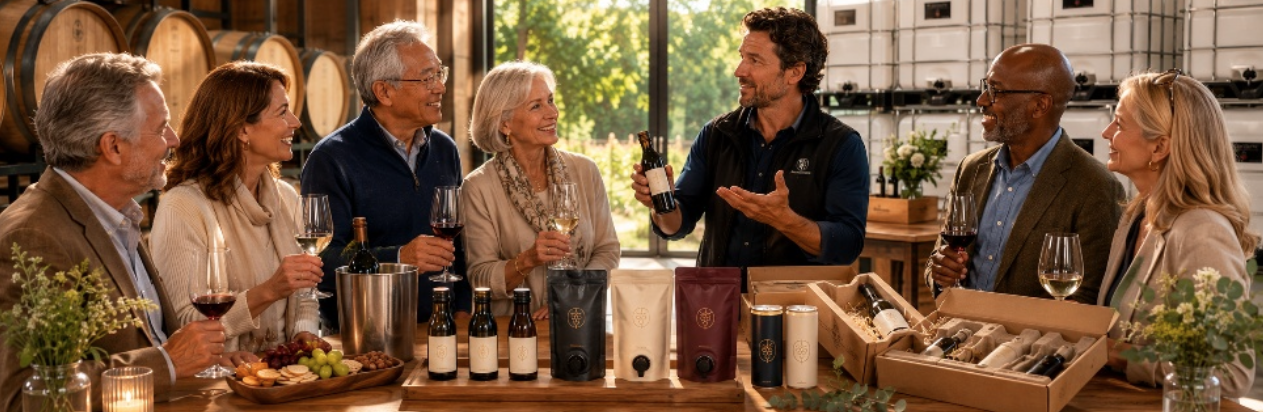
The wineries that begin adapting now can build more efficient operations, use fewer resources and help strengthen the long-term sustainability of the industry. The most effective changes will come from practical decisions across the entire operation. Use less water. Reduce chemical use. Extend equipment life. Cut unnecessary handling and replacement. Match each vessel to the job it performs best. And look for ways to improve production without compromising wine quality. A modern hybrid approach gives winemakers more options. Traditional methods can remain where they add the most value, while newer processes and longer-life equipment can help reduce resource use elsewhere.
Flextank Is Ready to Help You Grow
Looking to reduce water use and build a more sustainable cellar strategy? Let’s talk.
📞 Call: +1-360-450-2694
📧 Email: flexsales@flextank.com
🌐 Visit: www.Flextank.com
Or simply fill out the form HERE for Free Consulting, and let’s get started.