

Laboratory
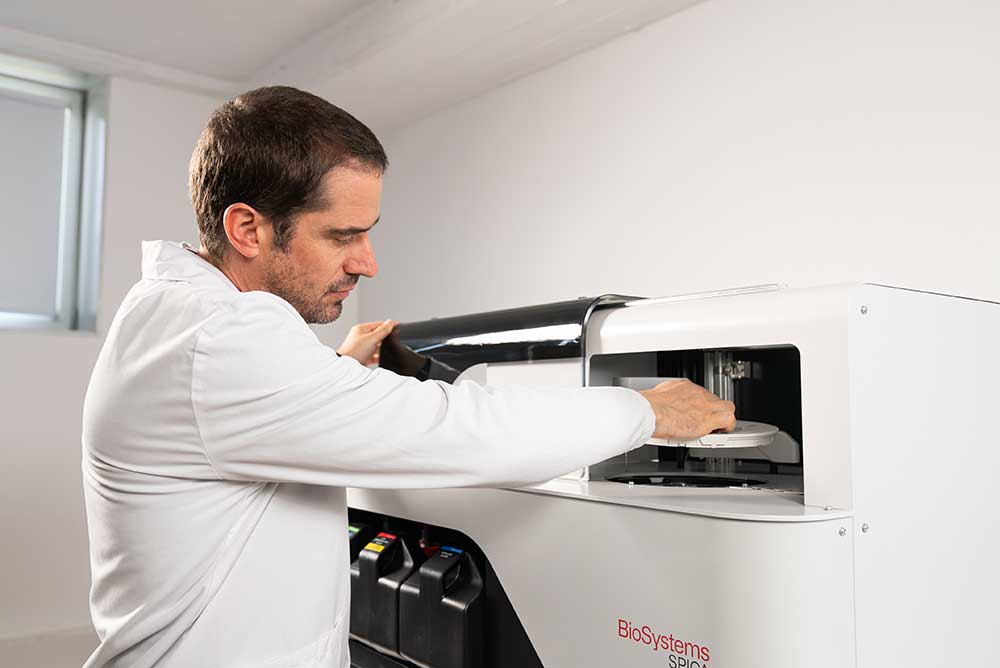
A wine analyzer is a laboratory instrument that measures a wine's chemical properties, such as pH, titratable acidity, sulfur dioxide, organic acids, sugar content, and more using automated enzymatic, colorimetric, or titration methods instead of manual bench chemistry. Winery labs rely on these results to make production decisions during fermentation, aging, and before bottling, when accurate, fast answers directly affect wine quality.
A wine analyzer is only the right fit if it matches six things about your lab: how many samples you run, which analytes you need, who is running the bench, how much automation your team can support, what happens when something breaks, and what your budget actually allows. Get those six inputs right first, and the product comparison becomes straightforward.
What Factors Actually Determine the Right Wine Analyzer?
The right wine analyzer is the one that fits your lab's sample volume, analyte list, staffing, automation needs, support expectations, and budget, in that order. Labs that start with a product name before answering those six questions tend to end up with equipment that is oversized, undersized, or missing a method they need during harvest. The sections below walk through each factor and point to where... READ THE FULL GUIDE HERE