

The wine industry is undergoing rapid change across all aspects of its business. From vineyard to shelf, achieving success against the headwinds of lower alcohol consumption requires adaptation.
As industry awareness of consumers’ changing preferences grows, wineries are increasingly offering alternative formats, including single-serve bottles and cans that appeal to active young consumers with on-the-go lifestyles. They are also exploring other alternatives, including cartons, Tetra Paks and ready-to-drink formats.
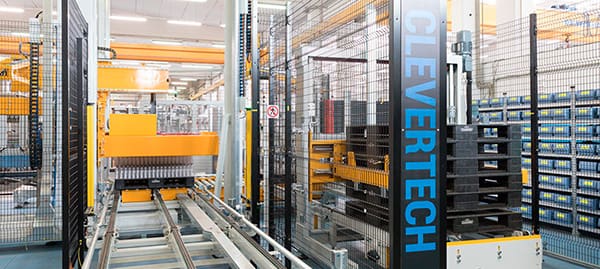 Automation Must Evolve as Fast as the Wine Industry
Changing from 750 ml bottles to these new formats requires revisions to existing bottling lines. Different equipment is needed to handle new packaging requirements and enable the higher throughput to meet market demand and ensure a profitable margin. But each new material, every upgrade or any increase in line speed means changes in operator routines and fresh demands on existing automation.
John Feely, Service and After Sales Manager for Clevertech North America, notes that wineries often underestimate how much these transitions impact their equipment.
“When a winery adds a new format, everything downstream changes,” he says. “Case configurations, pallet patterns, material handling — even small adjustments can ripple across the line. The key is having a support structure that helps you adapt quickly and confidently.”
Choosing the right system for a winery’s specific needs is essential, but the real determinant of long-term success occurs after the machinery is up and running.
Feely explains: “Installation is a milestone, but it’s not the finish line. The performance of any automated system depends on how it’s supported, maintained and adapted over time. It’s also where wineries see the biggest gains — or the biggest challenges.”
“Installation is a milestone, but it’s not the finish line.”
Lifecycle Support Boosts Uptime and Efficiency
Having a structured after-purchase support keeps winery lines running efficiently by preventing problems instead of reacting to crises.
“Reactive support is expensive,” Feely says. “Proactive support protects uptime, extends equipment life and gives wineries predictability, which is what wineries really need.”
Clevertech’s service puts its emphasis on preparedness, expertise and structured lifecycle engagement — ensuring that automation continues to perform reliably as production demands change. The company’s maintenance program is preventive, aligning with production cycles, using remote diagnostics to identify issues before they cause downtime, providing operator training and planning ahead for spare part availability.
This approach not only reduces disruptions but also helps wineries maintain consistency even during seasonal peaks.
“Choosing the machinery is important,” says Feely, “but the relationship behind it is what carries you forward. Support is the part of automation that stays with you for years. It’s the difference between equipment that runs and equipment that helps a winery grow.”
Clevertech’s commitment to lifecycle partnership ensures dedicated support is always available, allowing wineries to move from treating automation as a static asset to viewing it as a dynamic system that will evolve with their business.
 Choosing an Automation Partner for the Long Term
The company has an experienced network of more than 30 technicians throughout North America who provide 24-hour support. But it is the regularly scheduled service planning calls and ability to work remotely from machine-generated data that make the real difference.
For wineries planning expansions, exploring new formats, or optimizing existing lines, this level of post‑installation support is not a secondary consideration — it’s a strategic one.
As packaging formats become more diverse, automation grows more flexible to meet the increasing complexity of production demands. In an environment like this, wineries benefit the most when they choose partners who stay engaged long after the equipment is installed.
“Your opportunities should be flexible. Your production should be scalable. And your automation partner should help you grow with confidence,” Feely says.
To learn more about how Clevertech’s lifestage service and support can make a difference in the long term, contact Clevertech Sales Manager Beth Zarnick-Duffy at 814-571-1768 or by email: b.zarnick@clevertech-group.com.