 Harvest has a way of putting every part of a winery property to the test.
Once the busiest stretch of the year begins to slow, it’s a good time to look beyond the vines and take stock of the spaces surrounding them. Where did guests naturally gather? Which areas sat unused? Where was shade lacking? What required more water or maintenance than it should? And what could work harder for the property next year?
Before heading into 2027, here are five questions worth asking about your winery landscape.
1. Where did people naturally want to spend time?
Sometimes the best landscape feedback comes simply from watching how people use a property.
Maybe guests consistently pulled chairs beneath one particular tree, gravitated toward a quieter garden area, or lingered along a pathway with a vineyard view.
Those patterns can help identify opportunities for additional seating, shade, gathering areas or more intentional circulation. Good landscape design doesn’t force people through a space—it helps the property work with the way people naturally want to experience it.
2. Are there parts of the property that aren't doing much?
An unused lawn, overlooked courtyard, vineyard edge or empty stretch between buildings may have more potential than it appears to.
Depending on the property, that could mean creating a small private tasting area, an edible or pollinator garden, a shaded gathering space, a walking path, an olive grove or another feature that gives guests a reason to explore.
Not every improvement needs to be a major construction project. Sometimes the biggest change comes from simply giving an existing space a clearer purpose.
3. How did your landscape handle the summer heat?
After another warm wine country summer, think about where shade made a difference—and where it was noticeably missing.
Trees, planted structures, covered seating areas and thoughtful orientation can make outdoor areas considerably more inviting during the warmer months. Plant selection and placement can also help create comfortable microclimates while remaining appropriate for Northern California's climate.
Planning those improvements now gives you the opportunity to think strategically rather than reacting once the heat returns.
4. Is your water going where you actually need it?
A beautiful landscape shouldn't require unnecessary resources to stay that way.
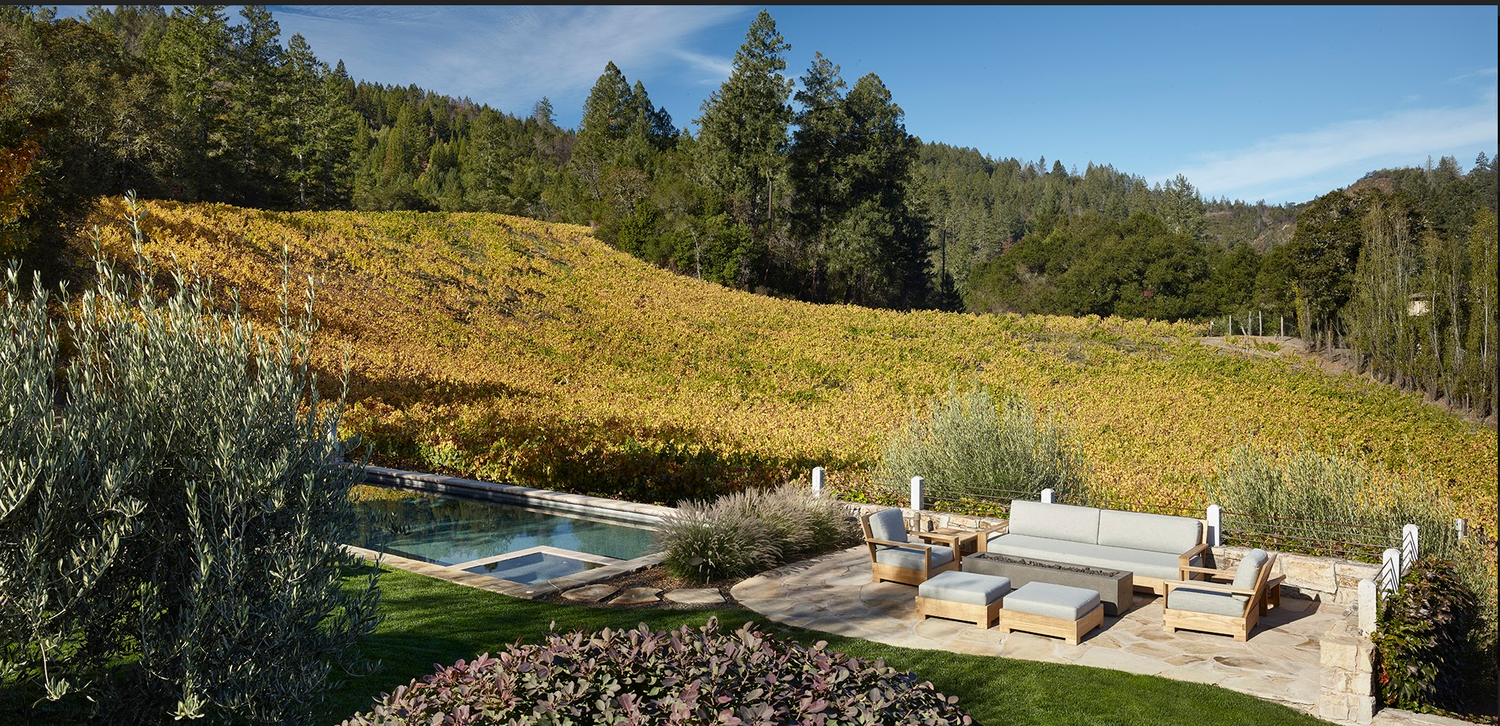
This is a good time to evaluate irrigation, plant performance, soil conditions and areas that consistently require additional attention. Climate-appropriate planting, efficient irrigation, permeable surfaces and thoughtful grouping of plants can all help create landscapes that are more resilient and manageable over time.
Sustainability and good design don't have to be separate conversations. Ideally, they are part of the same plan.
5. Does the landscape still tell the story you want your winery to tell?
Your landscape is one of the first—and last—things visitors experience.
It can communicate a sense of place, reinforce the character of the property and create a stronger connection between the winery, agriculture and the surrounding land.
As wineries rethink what the guest experience looks like heading into 2027, the landscape deserves to be part of that conversation.
At Allen Land Design, we approach wine country properties as complete environments—bringing together thoughtful design, quality installation, sustainability and long-term stewardship.
Whether you're considering a small refresh or beginning to rethink how an entire property could function, now is a great time to start the conversation.
What could your landscape do differently next year?
Contact Allen Land Design to start planning for 2027.