
Filter Post Type
NewsVideoProductEventLink
Sort:
Most Recent
1–10 of 33


For California wineries, harvest means long and irregular shifts, seasonal employees, and work that may span both vineyard and production operations. Those realities make crush a particularly important time to pay attention to California wage and hour laws. The rules can also be more complicated than many winery employers realize. The applicable Wage Order—and therefore some of the governing requirements—can depend on what work is being performed and even whose grapes are being processed. Start With the Correct Wage Order California’s Industrial Welfare Commission Wage Orders govern many of the details of wages, hours and working conditions for nonexempt employees. In the wine industry, determining which Wage Order applies is not always as simple as identifying the employer as a “winery.” There is no universal rule that every employee working for a wine business is governed by the same Wage Order in every circumstance. Classification depends on the particular facts and structure of the
00


Salary benchmarking is essential for accurately compiling competitive compensation structures in highly regulated industries, such as alcohol and beverage. Utilizing compensation benchmarking data can significantly enhance this process. It informs employee compensation, supports pay transparency, and helps organizations attract and retain talent in tight labor markets. For employers operating in healthcare, construction, cannabis, casinos, and other compliance‑heavy environments, salary benchmarking serves as a north star for human resource teams, guiding fair pay practices, ensuring regulatory alignment, and enabling data‑driven decisions. This blog walks through how salary benchmarking works in regulated environments, what makes it different, and how to build a defensible, repeatable process that holds up under scrutiny. Salary Benchmarking Defined for Regulated Industry Employers At its core, salary benchmarking is the process of comparing internal compensation against external mar
00

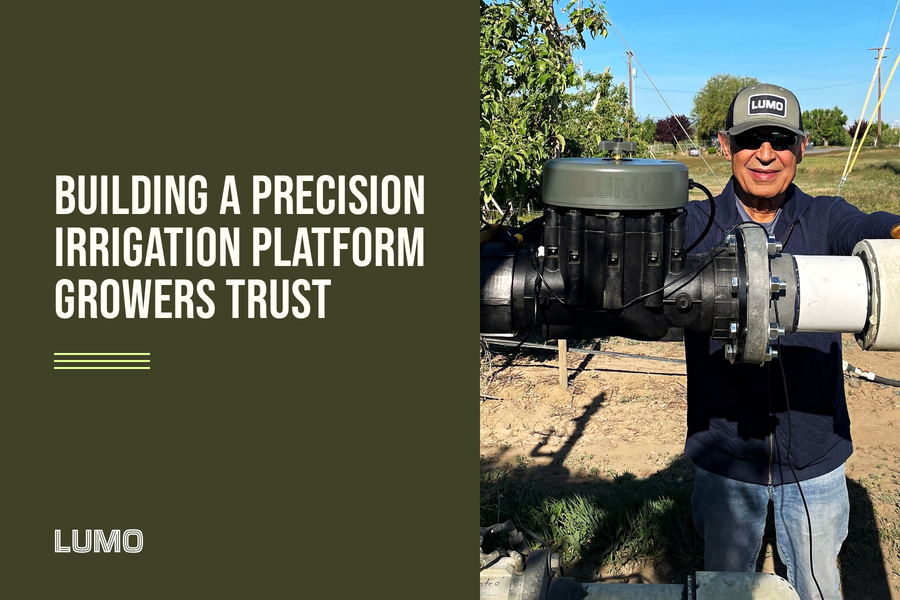
When Devon, Lumo’s CEO, broke a line and flooded his orchard, he searched everywhere for a solution. Went to stores. Asked neighbors. He even worked as an irrigator for a few weeks. Surely, he thought, someone must have already solved this. But instead he found unplugged controllers gathering dust. Systems that looked like they were from the 90s. Complaints about a lack of accountability. Bigger, more expensive versions of the exact same problems he had on his own farm. When Devon first approached Henry about his idea for Lumo, Henry, our Chief Inventor, was appalled by what he saw - an industry, a process, a system that seemed untouched by modern technology. No data. No visibility. No insight. He had spent decades engineering water solutions in other industries and couldn’t believe how little of that technology had crossed over into agriculture. Farmers were not being armed with the right data to dial in their precision and run their system with optimal p
00
Key Takeaways A winery is legally two businesses at once: an agricultural employer and a licensed wine producer, and most HR platforms are only built to handle one. Job title doesn’t determine treatment. Duties do. The same employee can move between agricultural and non-agricultural work within a single week. Crush season exposes problems built months earlier, from rushed seasonal hiring to unverified worker classifications. A structured self-audit beats reconstructing records during a DOL, TTB, or state inquiry. Würk’s tools help wineries stay prepared year-round. A winery’s obligations touch more regulatory categories than almost any other small business: agricultural labor law, guest-facing wage rules, wine-production rules, multi-state payroll withholding, and immigration regulations, often within a single organizational chart. This guide walks through a practical internal-review framework for wineries and vineyards with 10 to 500 employees. It’s operational guidance, not advic
00

June 17, 2026
The Hidden Costs of Manual Harvest Management For operations leaders in specialty crop agriculture, harvest season is a high-stakes, high-pressure period where every minute and every decision can impact yield, quality, and profitability. Many large-scale farms still rely on manual systems such as paper tally sheets, radios, and fragmented spreadsheets to track crews, equipment, and yield. While these methods may seem familiar, they introduce costly inefficiencies and errors that ripple through the entire operation. Manual logs often result in delayed or inaccurate field data. When supervisors are busy re-keying handwritten notes or chasing down missing records, critical decisions about crew assignments, equipment allocation, and logistics are made with incomplete information. This can lead to idle crews, bottlenecks at scales or loading docks, and late deliveries to packing or processing facilities. The result is lost crop opportunities, increased labor costs, and reduced product quali
00
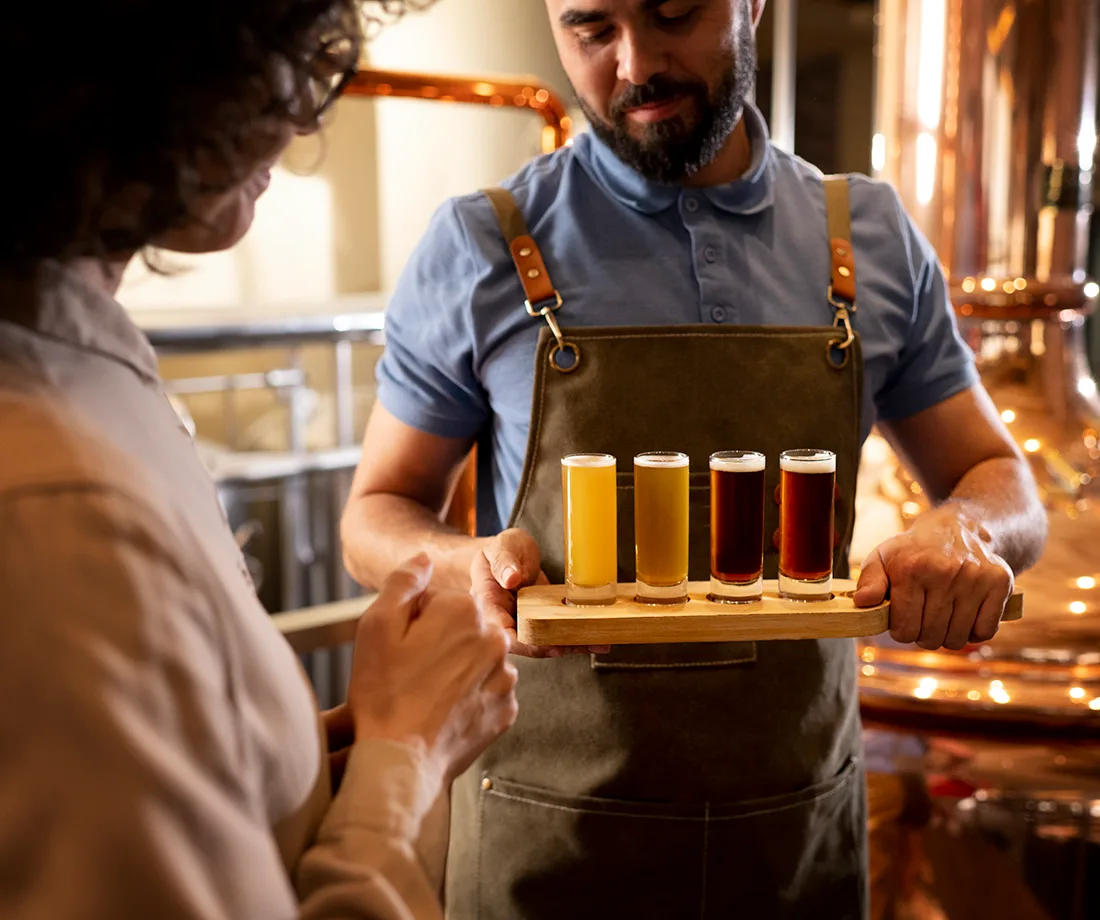
Manage tipped staff, seasonal workers, and strict compliance in one HR platform built for the beverage industry. Tap into efficiency with our easy-to-use human capital management software. Brewed with your business in mind, streamline employee scheduling and payroll, reduce labor costs, and stay inspection-ready year-round with a true all-in-one platform. HCM Software Built for Highly Regulated Industries Running a brewery means balancing production, quality, and a workforce that runs around the clock. The right solution simplifies your operations, not adds to the complexity. Würk helps you easily find, onboard, and retain employees, centralize records and certifications, and keep labor costs optimal, in one seamless experience Würk smarter, brew better. Key Features and Benefits: Save Time Automate hiring, onboarding, and scheduling processes even during peak seasons Empower employees with a self-service mobile app to access pay stubs, timesheets, swap shifts, and more Eliminate m
00

If you’ve ever walked into the cellar on a hot day and felt that “warm tank room” air hit you in the face, you already know the uncomfortable truth:
summer heat doesn’t just raise temperatures—it raises risk
.
And for
non-alcoholic (NA) and low-alcohol wines
, that risk climbs even faster. Alcohol is more than a sensory component; it contributes to stability. When it’s reduced or removed, you’re working with a product that can be
more delicate, more reactive, and more vulnerable
—especially when temperatures drift upward.
This is where two practical tools earn their keep:
PolarClad tank insulation
(and
BevClad
in the EU) to stabilize tank temperature an
00

With rising costs and complex supply chain, companies in the food and beverage (F&B) industry may find themselves at a disadvantage if they lose cost visibility and if the accounting system and operational controls aren’t tightly aligned. Operating in a highly-competitive market and understanding your company’s cost structure is not just about financial reporting—it’s a strategic advantage. Explore common cost accounting challenges that face the F&B industry and some practical ways to address them. Communicating and understanding that product costing is not just an accounting issue but rather a responsibility of every department is imperative for the company to be successful. 1. Volatile Raw Material Prices Agricultural products like wheat, dairy, sugar, proteins, coffee beans, and cocoa can be highly volatile due to various factors that impact their price which can include climate conditions, regulatory changes, geopolitical situations, and currency fluctuations. If not accoun
00


We’re not debating calories or whether that charcuterie board counts as an appetizer or dinner. We're talking about the IRS tightening the rules for deductible meals. Starting January 1, 2026, some winery meals that have historically been deductible will become completely nondeductible. Same harvest crew. Same pizza. Different tax result. Here is what changes and what does not. 1. Harvest Meals on Winery Premises Zero Deduction Beginning in 2026 If you provide meals at the winery so employees can keep working, those meals will no longer be deductible starting in 2026. That includes: Crush pad dinners Bottling day lunches Late night production meals served on site For years these were deductible. Beginning in 2026, they are not. If harvest meals are a routine part of your operations, this is worth budgeting for now. 2. Occasional Overtime Meal Reimbursements Possibly Still 50 Percent Deductible If an employee unexpectedly works late and you reimburse them for dinner, tha
00
February 17, 2026

Most winery owners and their employees hear “extension” and think one thing: We’re late. That is not what an extension means. In many cases, filing an extension is a protective move. It keeps options open, even if the return is filed by the original deadline. Here’s why that is important. What an Extension Really Does An extension gives additional time to file. It does not give additional time to pay. Any tax due must still be paid by the original deadline to avoid penalties and interest. So why extend if the return is ready? Because wineries and the individuals they employ operate in complex environments where information continues to evolve. Final K-1s arrive late. Corrected 1099s show up. Payroll departments issue corrected W-2s. Overtime and tip allocations get adjusted. Cost allocations change. Entity elections are reconsidered. New tax legislation is passed. If something important changes after the original filing, flexibility matters. Supersed
00