
For winemakers and distillers, crafting exceptional beverages is only part of the journey. To ensure your product maintains its premium quality and reaches consumers in perfect condition, the preservation of both its taste and appearance is critical. This is where the often-overlooked factor of glass color comes into play.
The color of your bottle can have a profound impact on the longevity, flavor stability, and overall appeal of your wine or spirit. By understanding how different glass colors protect against light damage, you can make more informed packaging choices that safeguard your product’s quality and enhance its shelf life.
In this article, we’ll explore the science behind glass color and light exposure, explain how traditional and modern glass choices can protect your product, and provide insights into balancing practical preservation needs with aesthetic considerations. Whether you’re crafting aged whiskey or fine wine, the right glass color is more than just a design decision – it can be a crucial element in preserving the quality of your product.
The team at Global Package has built its reputation as a trusted name in glass packaging through over 30 years of expertise and a forward-thinking approach. Our portfolio is designed to meet the diverse needs of winemakers and distillers, offering everything from versatile off-the-shelf options to cutting-edge designs that set brands apart.
Signature features like the Specialty Sommelier, designed for precision pouring, and the striking Doble Alto, which elevates shelf presence with its bold, double-base design, deliver both functionality and aesthetic impact. For brands seeking something uniquely their own, our fully customized solutions provide unmatched creative freedom.
Through close partnerships with leading designers and marketers, we’re constantly developing standout packaging that helps clients capture attention in today’s fast-changing market—all while staying aligned with your brand’s goals and budget.
The Impact of Light on Wine
While a beautifully lit display might entice customers, exposure to light, particularly ultraviolet (UV) light, can be detrimental to the quality of wine. Exposure to UV light triggers chemical reactions in wine, producing unpleasant ‘lightstruck’ aromas – often described as reminiscent of rotting leaves, cooked cabbage, or even a struck match.
The interaction between light and wine sets off a chain reaction which results in formation of hydrogen sulphide and mercaptans. The human palate is highly sensitive to these compounds, detecting them at incredibly low concentrations, making their presence impossible to ignore. Just an hour of direct sunlight can noticeably alter the flavor of certain varieties of wine.
Different types of wine are impacted by light in varying ways. White, sparkling, and rosé wines are generally more vulnerable to light damage than red wines. This difference is attributed to the higher tannin content in red wines, as tannins act as protective agents against this photochemical degradation.
The Impact of Light on Spirits
Light exposure not only threatens the appearance of spirits but can also influence how they are perceived and enjoyed. For aged spirits like bourbon and scotch, color is more than just cosmetic—it’s a vital part of the product’s identity and sensory allure. A deep amber or mahogany hue evokes complexity, richness, and quality, shaping consumer expectations even before the first sip.
When light exposure results in a noticeable loss of color, it disrupts this critical visual cue. Even if the flavor remains intact, the diminished vibrancy can lead consumers to assume the spirit lacks the depth or maturity they associate with darker tones. This perception isn’t superficial; color often correlates with the flavor experience in the mind of the drinker, setting the stage for how the spirit is judged.
On a chemical level, UV and blue light exposure triggers photochemical reactions that can degrade the spirit’s components. For example, amino acids and phenolic compounds interact with light, causing changes that lead to color fading. These reactions may also result in the production of undesirable sulphides or promote oxidation, subtly altering the flavor profile over time.
For white spirits like vodka and gin, which are bottled in clear glass to showcase their clarity, the risk is less immediate due to their stable composition. However, prolonged exposure to intense light can still compromise their pristine appearance, leading to a flat or dulled look. While this might not affect their taste directly, it can detract from their appeal, particularly in markets where presentation plays a significant role in purchasing decisions.
Preventing Light Damage to Wine and Spirits
Understanding these scientific principles is fundamental for wine and spirit producers when considering which glass bottle is ideal for their product. By considering these factors and making informed choices about packaging and storage, producers can effectively mitigate the risks of light damage and ensure that their beverages reach consumers in optimal condition.
Choose the Right Glass Bottle Color
Amber glass offers the best protection against UV rays, acting as a natural barrier that prevents harmful light from reaching the product inside. On the other hand, clear glass, although popular for aesthetic reasons, offers minimal protection, making it an important consideration for wineries or distilleries prioritizing display over preservation.
Reduce the Amount of Exposed Glass
Bottles with larger labels, unique shapes, or thicker glass can effectively reduce the amount of light that comes into direct contact with the product. By using packaging that incorporates more opaque or covered surfaces, producers add an extra layer of protection, ensuring the integrity of the wine or spirit is preserved even when displayed under bright lights.
Anticipate Type of Light Source and Proximity
The type and proximity of the light source are key factors in light exposure. While direct sunlight is the most damaging, artificial light sources – such as LED and fluorescent bulbs – can also have a negative impact, particularly when the bottle spends extended periods of time in proximity.
At Global Package, we understand that exceptional packaging requires both product integrity and brand storytelling. Our innovative glass solutions combine cutting-edge design, sustainability, and functionality to protect the quality of your wines and spirits while elevating their market appeal. Whether through superior UV protection, custom-crafted aesthetics, or unique features like the Doble Alto’s dual-tiered base, we partner with producers to ensure their beverages not only stand out but stand the test of time.
How to Choose the Best Glass Color for Your Wines
Choosing the right glass color for wine bottles is a delicate balancing act between preserving the integrity of the wine and appealing to the discerning eye of the consumer. Global Package understands that every detail matters, and we’re here to guide you through the nuances of selecting the ideal color for your wines.
Dark green glass, historically the only choice due to iron impurities in early glassmaking techniques, now retains its popularity for its UV-blocking properties—an advantage that continues to protect wines today.
As technology has advanced, glassmakers gained greater control over color and clarity, offering winemakers a broader palette to work with. This opened up a world of possibilities, allowing producers to select colors that not only protected their wines but also enhanced their brand image and shelf appeal.
Green Glass Bottles for Wine
The traditional choice used for red wines, antique green offers excellent UV protection. Filtering over 90% of UV light, antique green remains the top choice for wines requiring long-term protection, shielding the tannins and other delicate compounds from light damage. Antique green also carries a classic, premium aesthetic that resonates with traditional wine branding.
Amber Glass Bottles for Wine
Although less common in wine packaging, amber glass provides the most robust UV protection. It can be a smart choice for producers of delicate white or sparkling wines, especially for products stored or displayed in light-heavy environments. The rich, amber hue signals a commitment to preserving quality, even if it breaks with conventional expectations.
Flint Glass Bottles for Wine
Clear glass is particularly popular for rosé and white wines, where showcasing the wine’s color is part of its appeal. While it provides no UV protection, its transparency creates an eye-catching display that influences purchasing decisions.
Wild Glass Bottles for Wine
For winemakers balancing sustainability, wine preservation, and aesthetics, Wild Glass is a standout option. The sustainable packaging option from Estal, It is made from 100% post-consumer recycled (PCR) glass. Both light and dark variations offers UV protection and stunning visible appeal:
Wild Dark Glass is made from a blend of antique green glass and other dark colors. Its rich color makes it an ideal choice for safeguarding wines from light strike while maintaining a premium look.
Wild Flint Glass combines clarity with UV filtration from minerals that create a natural green-blue tint. This makes it perfect for rosé and white wines, which benefit both from the protection and the visibility.
Explore the Wild Glass Collection for Wines.
Global Package’s team of experts is dedicated to helping you make informed decisions that align with your brand vision and product requirements. We understand the complexities of the wine industry and are committed to providing solutions that enhance both the quality and the marketability of your wines.
The Best Glass Colors for Preserving Spirits
In the world of spirits, just like wine, the choice of glass color goes beyond mere aesthetics. It’s a strategic decision that impacts the longevity, flavor, and ultimately, the perceived value of your product. Recognizing this, Global Package provides expertly designed glass solutions tailored to the specific needs of spirit producers, offering a carefully curated selection of colored glass bottles designed to showcase and safeguard the essence of your spirits.
Amber Glass Bottles for Spirits
For spirits matured in oak barrels and darker liqueurs, amber glass is the ultimate protector. Its rich, dark hue effectively blocks UV rays, preserving the intricate flavors and aromas developed during aging. This makes it essential for dark spirits like whiskey and rum, where oxidation can compromise both flavor and color, diminishing the spirit’s distinct character.
Green Glass Bottles for Spirits
Traditionally linked to wine, green glass also has its place in spirits packaging, offering moderate UV protection. It’s ideal for spirits less vulnerable to light exposure or designed for quicker consumption. From gin and vodka to liqueurs and apéritifs, green glass provides a versatile solution that balances protection with aesthetics.
Flint Glass Bottles for Spirits
For spirits like vodka where clarity is key, flint glass is the top choice. Its transparency showcases the spirit’s pristine appearance, reflecting its refined craftsmanship. While it lacks UV protection, this is less critical for these chemically stable spirits. However, proper storage remains essential to ensure quality over time.
Wild Glass Bottles for Spirits
For distillers seeking packaging that combines sustainability, UV protection, and a distinctive aesthetic, Wild Glass is an innovative choice. Made by Estal from 100% post-consumer recycled (PCR) glass, it offers both environmental benefits and standout appeal:
Wild Dark Glass is crafted from antique green and amber glass blends, providing exceptional UV protection. Its bold color and texture make it a strong candidate for spirits requiring preservation and a premium, artisanal appearance.
Wild Flint Glass merges clarity with sustainability, retaining the natural imperfections that enhance its character. Its subtle green-blue tint adds a unique twist to traditional flint glass, making it a great choice for spirits that rely on visibility while still benefiting from some UV filtration.
Explore the Wild Glass Collection for Spirits
Global Package’s team of experts stands ready to guide you through the process of selecting the perfect glass color for your spirits. We’re committed to helping you create a packaging solution that not only preserves the integrity of your product but also captivates consumers and elevates your brand presence on the shelf.
Elevate your Glass Packaging
Choosing the right glass color for your wine or spirits is far more than a design decision – it’s an essential step in preserving the quality and extending the shelf life of your product. Whether you’re protecting delicate flavors from UV damage with amber or green glass, or showcasing the clarity of a premium spirit in flint glass, the impact on your product’s integrity and market appeal cannot be underestimated.
As a commercial producer, understanding the science behind glass color and light exposure gives you a powerful tool in ensuring that your beverages reach consumers in optimal condition. Global Package is here to help you navigate this crucial choice, offering a range of glass solutions tailored to your needs. By selecting the right packaging, you not only safeguard your product but also enhance its visual impact, ensuring your brand stands out and providing quality customers can trust.
Invest in glass that protects, preserves, and promotes your product – because the right choice can make all the difference.
—
Ready to bring your vision to life? Let Global Package be your partner in crafting a truly exceptional product experience. Email us at sales@globalpackage.net, or call us on +1 707 224-5670 to start a conversation about your packaging needs.
For the latest design inspirations and trends in glass packaging follow us on Instagram.
Sign up for our mailing list to get updates directly to your inbox.
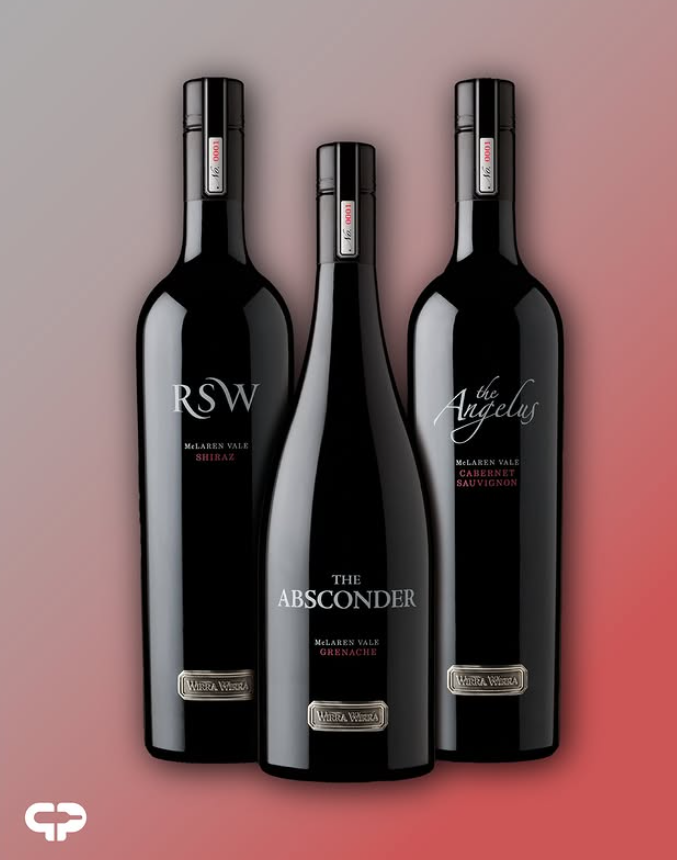
A wine bottle is the physical expression of your brand. Over time, customers have learned to associate specific shapes and sizes with quality, heritage, and style, especially when dealing with premium brands. Every element of presentation matters, with the bottle and label working together as the most powerful first impression. Selecting the right pairing is a critical step in positioning a wine effectively.
For smaller or lesser-known wineries, or those from less established regions, design can play an even greater role. A distinctive bottle or striking label may inspire a purchase before the wine is even tasted. Customers often seek out packaging they feel proud to share, whether as a gift, at the table, or as part of their own social identity.
The elements of a product’s design can even potentially influence how much some people enjoy a given drink, and in a way become in and of themselves a part of the overall experience.
In this article, we explore the bottle styles Global Package specializes in, and how the right labels can enhance their impact. Together, these choices can help you align with customer preferences, strengthen perception, and maximize market appeal.
The Influence of Wine Bottles on the Drinking Experience
Consumer studies have illustrated just how strongly a wine bottle can shape perception: the same wine, poured from a Bordeaux bottle and a Burgundy bottle, was described by participants as tasting completely different. The Bordeaux was perceived as firmer and more structured, while the Burgundy felt softer and smoother. Bottle shape alone can influence not just perception, but even the experience of taste.
Global Package provides a great variety of shapes and styles of wine bottles, with a range of colors, neck and punt sizes, and capacities, as well as a great range of customization options. From traditional cork-topped bottles designed with simplicity in mind, to our innovative and sustainable Wild Glass range from Estal, our portfolio gives you an extensive range of high-quality options.
Customization takes this further, enabling brands to create bottles that are truly their own. Global Package offers a wide range of customized options for wine bottles, such as bespoke shapes, distinctive styling, and custom embossing, allowing your product to stand apart and tell its story with precision.
With such a variety available, a central question arises: which bottle best complements the label? The bottle establishes expectations, but it is the label that captures attention and drives the final purchase decision.
Want to know if your current bottle and label combination is helping or hurting your brand? Get in touch with Global Package!
How Labels Enhance A Bottle
Just as important in the packaging design of a product is the label that is attached to the bottle, and this is where a design can either make or break your product’s success. If a label is paired with the wrong bottle (or vice versa), the perception of your brand can take a substantial toll. Just as easily, the right combination of the two elements can allow a customer to become infatuated with your brand’s visual style and take a chance on it.
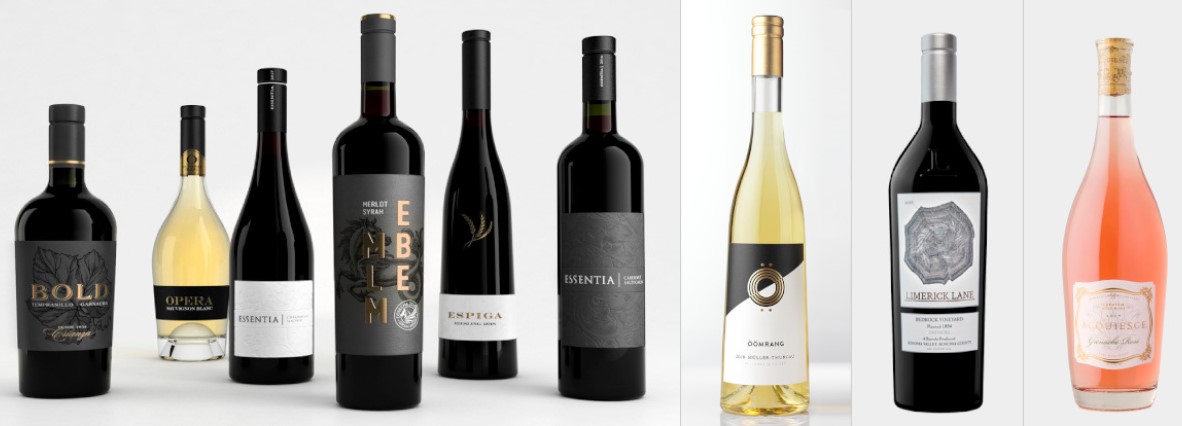
For example, in the case of a Bordeaux bottle like our BD SM Essentia 750mL, a label that is designed to be playful, light and friendly may not be as appropriate a choice as compared to a more striking, dark and dramatic design.
While there are of course going to be some situations where a sense of visual conflict is seen as desirable, for the most part leaning into the inherent visual cues is an advisable strategy.
Global Package played a key role in providing the wine bottle for Lasseter Family Winery‘s premium 2021 L’Ame du Sage Zinfandel, aligning with the wine’s exclusive heritage. This luxury Zinfandel, celebrated for its rich and intense character, demanded a bottle that conveyed collectible quality.
Working closely with the winery, Global Package helped select a Bordeaux-style bottle from its Elegant Light Line. A choice distinguished by its substantial weight and deep punt, which immediately signal a structured, age-worthy wine. These features reinforce the perception of excellence that consumers often associate with firmness and high quality.
The dark glass bottle, paired with an elegant matte label and sophisticated gold foil artwork, creates a visual aesthetic that primes the palate, positioning the wine as a high-end, classic selection even before the first pour. This strategic packaging not only elevates the perceived value of the Zinfandel but also underscores Lasseter Family Winery’s commitment to artistry and exceptional winemaking. Through this collaboration, Global Package ensured that the bottle itself became an integral part of the wine’s luxurious identity.
Shapes and Colors
Label design extends beyond graphics and typography. The physical shape of the label itself plays a vital role, especially when paired with color.
Research into consumer responses shows that certain shape–color combinations on wine labels are less polarizing and therefore safer choices. The least decisive, ‘resilient’ color-shape combinations can often be the safest bets in terms of keeping as few customers alienated as possible. These can include rectangular and hexagonal browns, yellows, blacks and greens. Importantly, these combinations are not indicative of consumer preference, but are simply non-divisive between consumers’ opinions.
At the same time, the bottle shape must be considered in harmony with the label. For example, bottles like our SM RH Espiga 750mL, with its elongated silhouette, could be perfectly suited for a label that embraces vertical space in creative and impactful ways, taking full advantage of this exaggerated shape. A standard rectangular label on the other hand might simply make the bottle appear visually disproportionate and consequently less refined.
Bringing It All Together
The ultimate purpose of packaging is to inspire purchase and create anticipation for the wine within. From a young shopper selecting a bottle to share with friends, to a high-end venue curating its list, the right combination of bottle and label directly shapes customer choice and brand perception.
Global Package is here to help you achieve that impact. With our extensive range, expertise, and commitment to innovation, we can guide you in selecting the perfect wine bottle that captures attention and elevates your brand.
Ready to take the next step?
Reach out for a free consultation or request a custom sample kit today by contacting us at sales@globalpackage.net or +1 707 224-5670.
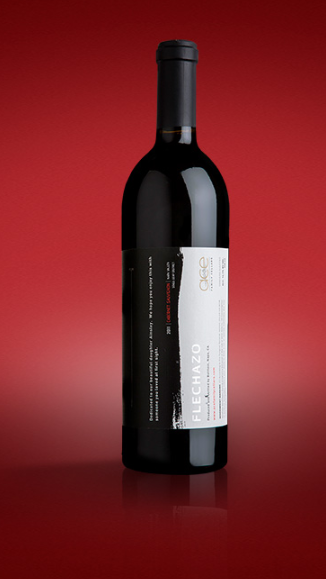
ELEGANT LIGHT LINE™
Our proprietary Elegant Light Line™ wine and spirits molds were created from the perspective viewpoint that form should be both functional and beautiful. The elegance of this European-influenced range of bottles demonstrates the integrity of the vessel by harnessing the intrinsic beauty of curves and the versatility of intelligent design.
Showcasing graceful neck styling, precise lines and voluptuous curves, this striking collection in both wine and spirits bottles exudes confidence and sophistication. Accessibility is key, and the Elegant Light Line™ offers wineries and distilleries a locally-stocked, affordable, and attractive European-styled platform to showcase their brand.
FEATURES
› Graceful neck styling
› Range of bottle finishes
› Voluptuous curves
› Affordable quality
Sustainability at Global Package:
Global Package maintains long-standing relations with factories around the world, including numerous European partners, providing custom bottles for the premium and ultra-premium markets at very good pricing, as well as stocking a wide selection of domestic bottles. Global Package offers a number of packaging solutions that addresses the needs of the wine and spirits industries, including sustainability.
Lighter weights, less money spent on glass, less shipping costs, less carbon dioxide produced in manufacturing, due to recycled glass and lowered glass weight per bottle. Glass bottle packaging has achieved something no other industry has, affordable methods to combat climate change without hurting the market, and Global Package is at the forefront of eco-friendly, sustainable glass packaging.
We have a comprehensive portfolio of sustainable wine and spirits packaging so we can meet both your budget and expectations. Located conveniently in California, United States, with warehouses across the States and the globe, we assist both local and international brands. Get in touch with our experienced team for your next packaging project.

Study after study has proved that consumers prefer glass over other packaging materials for several reasons: Because it is aesthetically pleasing, is virtually inert and doesn’t interact with the food or beverage it holds, and because it is recyclable.
Global Package has a long tradition of promoting glass in the wine and spirits industries for these very reasons. Our latest collection of Wild Glass, produced by Estal Packaging, is 100% sustainable “real cycled” and boasts a production process that is both efficient and ecologically sustainable. It utilizes only post-consumer recycled glass collected from municipalities and its production method uses lower fuel consumption, resulting in a reduction of CO2 as well as less extraction of virgin material.
Importantly, glass addresses the sustainability issue that today’s consumers are demanding. According to a 2019 article in Chemical & Engineering News:
“Glass can be recycled endlessly by crushing, blending, and melting it together with sand and other starting materials. Doing so benefits manufacturers, the environment, and consumers. Yet each year only one-third of the roughly 10 million metric tons of glass that Americans throw away is recycled. The rest ends up in landfills. In contrast, some European countries recycle more that 90% of their glass. US glass trade groups (such as Owens-Illinois) are working to boost these numbers.”
In addition, a report by Owens-Illinois reveals that waste management companies in North America and around the world are running out of landfill space, a growing problem now that China is no longer accepting our trash. In a recent article in American Recycler entitled “Landfill Space Continues to Decline” author Maura Keller reports that “the future of landfills looks bleak” and estimates that we have less than two decades before landfills in the US reach capacity, with single-use plastics in the form of beverage containers, take out containers, shampoo bottles, detergent bottles and similar items contributing the lion’s share.
As landfills grow in short supply, glass packaging becomes an increasingly vital component to reaching America’s aggressive sustainable goals. Here’s more from American Recycler:
“Haulers and others will be disincentivized to put obvious recyclables like glass in landfills, and we’ll see a broader harmonizing of our waste management and recycling policies to further disincentivize putting recyclables in landfills …At the same time, glass-only curbside collection and/or alternate collection systems will become the predominant collection method boosting glass collection in the U.S. to 50 percent by 2030.”
In other words, waste management companies will increasingly force consumers to recycle their glass containers, not toss them into landfill collection bins, so the sustainable value of glass grows exponentially. Global Package’s line of Wild Glass is the most sustainable glass on the market. Additionally, each of these bottles is truly unique since the production process allows for slight imperfections in the natural formation of the glass to remain, making each bottle an aesthetic one-of-a-kind work of art. As important, the manufacturing process retains all the benefits of automation. Tests run by Estal, our glass partners in Europe, have shown a significant reduction in the discard rate since the process doesn’t discard bottles with these slight cosmetic imperfections. It’s a win-win …100% sustainability and gorgeous quality design.
As Global Package continues to work with leaders in the glass industry to find solutions to the landfill and recycling concerns, we are proud to offer the full line of Wild Glass, which is now inventoried here in California. Global Package (www.globalpackage.net) is located at 2793 Napa Valley Corporate Drive, Napa, CA 94558 and can be reached at 707-224-5670.

One crucial step in winemaking is the process of selecting an appropriate glass bottle. Why? Because a wine’s identity is greatly influenced by its glass bottle.
Often, the content of the bottle takes center stage in conversations and articles rather than the bottle itself. However, our attention today will be on elevating your wine packaging, specifically how wine bottles are packaged for distribution.
In the last few years, wine packaging has experienced a radical shift. The invention of cans, tetra packs, and other packaging materials and innovations have changed the way producers think about wine packaging.
However, glass bottles remain the traditional and preferred method for wine packaging. A typical wine bottle is made of glass and is available in a variety of sizes and forms. However, most wines are commonly packaged in 750 mL glass bottles.
Glass bottles have been used for hundreds of years for wine packaging and have proven to be quite beneficial. However, this has not always been so, as before this time, other materials were used for wine packaging.
The History of Wine Storage and the Transition to Glass Bottle Packaging
According to records of the time, the most prevalent means of holding and transporting wine were wineskins. Most of the evidence for the use of wineskins comes from Ancient Greece (12th-9th century BC) and from the New Testament in the Bible. According to these sources, wine was transferred straight from the fermentation into an old wineskin to be taken home. Preferred by travelers for its lightness, its popularity, and the portability it brings to wine consumption, is undeniable.
Larger quantities of wine, on the other hand, required more permanent storage with temperature control, which was critical to preserving the wine’s flavor. Thus, earthenware pottery was utilized to ferment, store, and transport wine.
These large earthenware jars were used above ground to transport large volumes of wine, but they were also partially buried underground to control temperature and preserve the product without the presence of electricity.
The Kvevri – Wine Packaging Using Clay
A Qvevri is a large, beeswax-coated earthenware vessel, used by ancient Georgians as early as 6,000 BC. They were used in every stage of wine production, from grape crushing to aging. The qvevris could hold thousands of liters of liquid, depending on their size.
They were filled with unfermented grapes from the area. The qvevri is subsequently buried, the grapes are crushed, stems and all, and primary fermentation begins. Then it is sealed with a large stone to form an airtight seal.
The qvevri is then left for up to two years, enabling the wine to experience malolactic fermentation and maturation. The result is an extremely tannic, earthenware-aged wine.
The Amphora – The Standard in Clay Vessels For Packaging Wine
Amphorae, wax-lined (pine and beeswax) pottery vessels, were made by the Egyptians and were gradually adopted by nearly all wine-drinking and wine-producing civilizations in the Mediterranean and Mesopotamia, including Ancient Greece and Rome, where they were most prevalent and widely used. They were easy to produce and, more importantly, transport. Their circular design, with tapering bottom, two handles, and a long, slender neck, fulfilled four functions:
● The surface area of wine exposed to oxygen was reduced by the slender neck.
● The tapered bottom promoted the accumulation of sediment and allowed the amphora to be buried with more ease when long-term storage was required.
● They were able to load numerous into ships
● The handles made carrying them easier
When you look at an amphora, you can find parallels between it and current wine bottles, from the long neck that protects the wine from air, to the sediment that collects on the bottom of bottles. Some societies adorned their vessels ornately, while others were strictly functional, leaving them ‘clean-skinned.’
For a long time, it was considered that amphorae were the primary means of transporting wine across considerable distances throughout the Roman Empire. Recent discoveries of shipwrecks in the Mediterranean have revealed that wine was frequently transported in a bigger container known as a dolium.
The Greeks termed these large clay jars pithoi, while the Romans called them dolium. In order to make their containers airtight and watertight, the Romans used heated resin known as “pitch” to line the dolia and plaster to patch them where needed.
The Shift To Oak Barrels For Storing and Transporting Wine
The Roman Empire conquered numerous cultures, embracing technologies such as the wooden barrel. While the Romans were aware that other cultures used palm wood barrels to transport wine, amphorae (and dolia) were the preferred mode of transport at the time.
The military and merchants swiftly replaced amphorae with wooden barrels. Wooden barrels were stronger than clay barrels, weighed significantly less, and could be rolled on their side.
Moreover, there were plenty of trees in Europe, and unlike palm trees, woods like fir and oak bent very easily, so the stave production for barrels was easier. The adoption of barrels was quick; by the third century AD, the transition to storing and transporting wine in wooden barrels was nearly complete, thereby ending clay’s 5,500-year reign.
The wood, on the other hand, did not provide an airtight seal, and the wine spoiled quickly in the wooden casks. Winemakers were not properly bunging or topping off their barrels since they didn’t understand why the wine was spoiling, and people simply proceeded to consume increasingly younger wines.
The Introduction of Glass Bottle Packaging For Wine
After centuries of dominance by the wooden cask and the resulting need to drink wines quickly before they turned to vinegar, the search began for an alternate vessel. Although the bottle had already existed, it was used primarily as a midpoint to get the wine from the barrel to the cup. Corks were not well-fitted as they were simply meant to keep bugs and dust out, not to create an airtight seal.
Henry Purefoy discovered that when the cork was not submerged in liquid, it shrank due to dryness and spoiled the wine. When the bottle was laid on its side and the cork submerged in the wine, it preserved the wine with a capability similar to that of an amphora. From a short, stout bottle in the 1740s to an elongated bottle like we have today, the shape gradually became more cylindrical to facilitate easy disposal.
In today’s world, bottles are recognized as the most preferred method of wine packaging. Why? because the rate of chemical interaction with glass is zero. Wine bottled in glass gets to retain its strength, aroma, flavor, and quality as a whole.
Glass bottles are not associated with any negative impact on health, which makes them a safer option. Additionally, they improve the overall drinking experience and add aesthetic appeal.
Wine Bottle Designs
Although there isn’t a set rule linked to wine bottle shapes, a few trends throughout history suggest there might be a connection between a wine bottle shape and the type and location of the grape used.
For instance, Chardonnay and Pinot Noir wines tend to come in short, classic, or fat, Burgundy-shaped bottles. Other wine producers in Portugal, Italy, Spain, and Germany tend to follow the tradition of their local areas by choosing bottle shapes most appropriate for their wines.
Additionally, the wine manufacturers want to make their product packaging as distinctive as possible, which explains why you will find one bottle that is tall and skinny, while another is short and squat. Sometimes these alterations, including to the punt, are done to allow the manufacturer to use more or less glass as needed, and to adjust bottle profile and heights to accommodate label design, shipping requirement, and budget.
For example, Chardonnays are bottled in slope-shouldered Burgundies while Cabernets are packaged in squarer-shouldered Bordeaux bottles. Generally, bottles with thick walls and a wide-pronounced punt with a sloping shoulder are associated with sparkling wines and Champagne. High-shouldered bottles with pronounced punts are used for Port, Sherry, and Bordeaux varieties. These bottles come with a bulbous neck, which serves the purpose of collecting residue.
Certain types of wines, like Burgundy and Rhône varieties, are packaged in tall bottles with sloping shoulders and a smaller punt. With the wine market being quite vast in size, it isn’t a surprise to find new wineries adopting similar bottling styles.
Preparing Glass Bottles for Wine Packaging
There are several processes involved in the bottling of wine. The first step is preparing the bottles. Wine bottles can be new or recycled. Cleaning is important regardless of the type, which is why de-labelling and cleaning can often be accomplished by soaking bottles in a washing solution.
Additionally, clear glass bottles are not recommended for wine packaging due to exposure to sunlight. Direct sunlight can discolor the content of the bottle, which is why, unless you are certain that the bottle will not come into direct contact with sunlight, it is best to go for a colored bottle for wines that are meant to be stored for longer periods of time.
Oxygen can dissolve into the wine during the bottling process, which is why one of the goals when filling is to prevent oxidation. This could affect the wine composition, shelf life, and consumer acceptance, which is why the wine bottling process is conducted to promote the dissolution of oxygen in the wines.
It is best to cork the bottle immediately after filling it and give it a final water rinse on the outside to remove any drops of wine. After filling, the wine bottles are left upright for three to five days, as this allows the pressure inside to equalize back to normal. Once these days elapse, the bottles are then stored on their sides or upside down in the coolness of a cellar.
Quality Glass Bottle Packaging For Wine
Due to the importance of bottles in the wine industry, without a doubt, glass wine bottles will not be replaced in a very long time. This is because glass represents a premium image for wine—for instance, Champagne bottles. Utilizing glass for your beer, wine, or spirits will result in a more aesthetically pleasing experience for the consumer, and increase brand awareness.
Instead of being replaced, this packaging material will evolve with time, offering wine manufacturers several more creative opportunities.
Just like the content inside, the packaging and appearance of a wine bottle play an important role in a consumer’s drinking experience, which is why Global Package comes to mind when it comes to getting some of the best glass wine bottles, designed to give your brand a distinctive look. When it comes to wine bottles, there are no set rules; you are allowed to be as creative as you choose, as long as the results suit your brand’s needs.
About Global Package
Global Package supplies high-end glass bottles to the wine and spirits markets across North America. Sourcing bottles from Europe, Asia and domestic markets, Global Package has an esteemed portfolio of bottles and packaging, specializing in sourcing and supplying glass, bottle customization, and speciality sourcing for small to large projects ensuring your product is presented affordably, effectively and professionally. Global Package has strategic alliances with innovative suppliers, designers and marketing collaborators both domestically and internationally, as well as stock across a local network of warehouses ready for dispatch.
Please contact our team with any queries you may have about our products or services. Fill out our contact form, email us at sales@globalpackage.net, or call us on +1 707 224-5670.
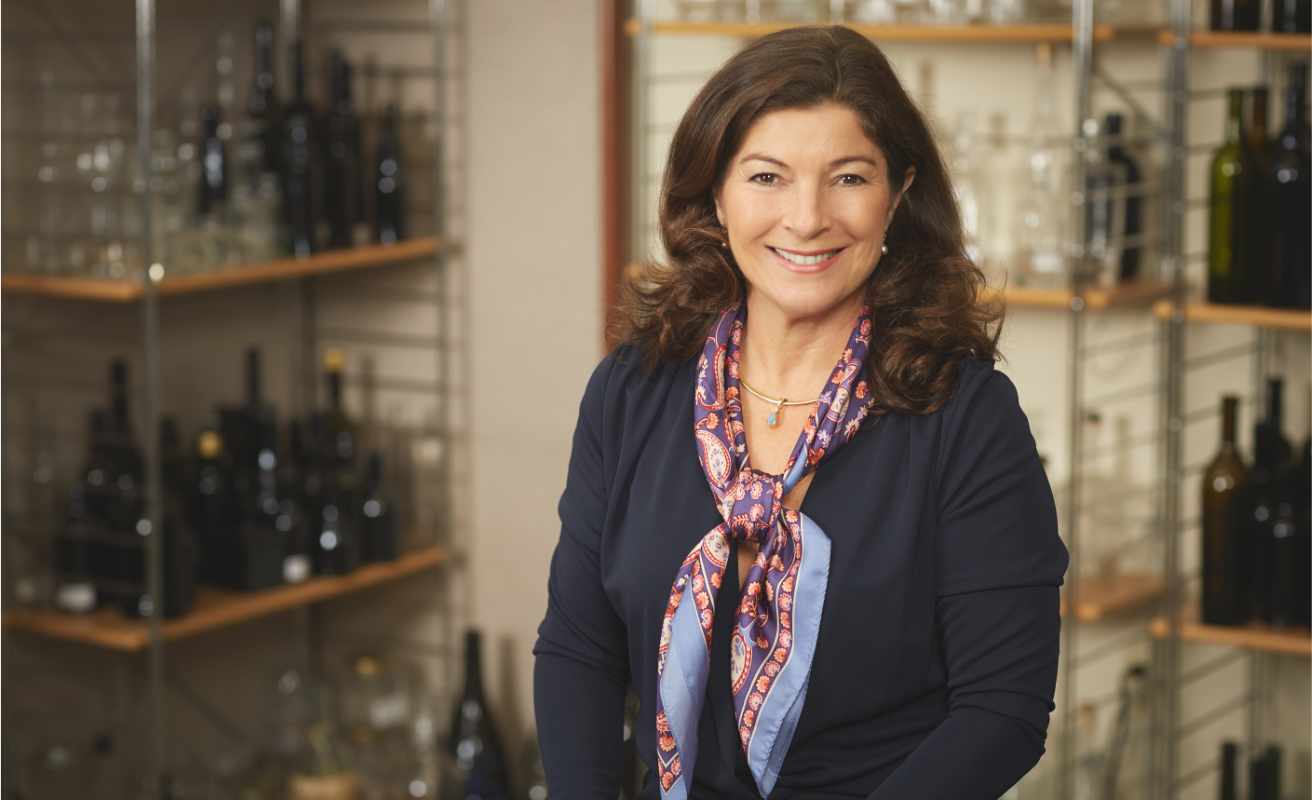
Twenty years ago, Erica Harrop founded Global Package with a simple belief: exceptional brands deserve exceptional packaging, and exceptional partners. This year, we at Global Package are incredibly proud to celebrate our 20th anniversary. Since our founding in 2006 in the heart of Napa Valley, we have been dedicated to providing premium glass bottles and innovative packaging solutions to some of the world’s finest wineries and distilleries. What began as a bold vision to bridge the gap between world-class glass design and local craft producers, and one woman’s belief that wineries and distilleries deserved better design, better technical expertise, and better service, has grown into one of North America’s most respected glass packaging companies. Over the past two decades, we have remained steadfast in our core mission: to offer outstanding, creative, and sustainable packaging, backed by unsurpassed customer service and deep technical expertise.
As we look back on twenty years of evolution, we are reminded of how our passion for glass has shaped the shelf presence of countless brands. From pioneering lightweight designs to bringing Estal’s revolutionary “Wild Glass” to the U.S. market, we have navigated an ever-changing landscape by prioritizing our clients’ aspirations.
How It All Began
Our story is deeply rooted in the winemaking industry. Our founder and CEO, Erica Harrop, started her career as a UC Davis-trained enologist and completed international wine studies at the prestigious University of Bordeaux. However, her professional journey took a transformative turn in 1987. Taking a job “on a whim” with the French management team at Demptos Glass at the age of 24, she unexpectedly fell in love with the artistry of glassmaking.
As Erica often reflects, “To watch glass be made is a beautiful thing… to watch hot lava glass come out of the furnace and turn into some beautiful shape”. She quickly realized that glass was her true calling, describing the intricate process of structural bottle design as a complex, rewarding puzzle. “Bottles are like a living thing,” Erica explains. “Each bottle will be slightly different… and that’s the way it is, a little bit like wine”.
Armed with more than twenty years of leadership experience at some of the country’s major glass manufacturers and a newly minted MBA from Sonoma State University, Erica founded Global Package in 2006. Her goal was to leverage her enology background and packaging expertise to source the world’s most exquisite glass and deliver it with unparalleled technical support to domestic winemakers and distillers.
Legacy of Growth
In our twenty years of business, we have crossed several landmark milestones that have shaped who we are today. One of our earliest achievements was establishing exclusive, strategic alliances with Europe’s most innovative glass design companies and factories. These partnerships enabled us to bring high-end, European-style aesthetic refinement straight to the North American market.
In 2008, recognizing the dual need for cost savings and environmental responsibility, we launched our proprietary Elegant Light Line. Engineered in collaboration with highly competitive partner factories, this collection of lightweight bottles was designed to reduce shipping costs and carbon footprints without compromising the voluptuous curves and deep punts expected of premium packaging.
Furthering our offering of sustainable glass packaging options, our exclusive partnership with Spanish design house Estal brought the revolutionary Wild Glass collection to U.S. shores in 2020. Made from nearly 100% post-consumer recycled (PCR) glass, Wild Glass celebrates natural, organic “imperfections” like aesthetic bubbles and slight color variations. Erica championed this shift, stating, “What happens in a glass factory is they are sorting for something near perfect. What we’re saying for Wild Glass is the industry doesn’t need near perfect; they need something functional”. The result is that each of these bottles is truly unique since the production process allows for slight imperfections in the natural formation of the glass to remain, making each bottle an aesthetic one-of-a-kind work of art.
Another monumental step in our history took place in 2024, when we officially transitioned into a multigenerational family business. Daniel Harrop, Erica’s son, joined our sales team, covering Southern California and Oregon. Having spent five years learning our backend operations as an assistant and gaining outside experience in beverage marketing, Daniel’s addition solidified our legacy. As Erica proudly noted, “Daniel has not only paid his dues, he has also earned his wings in our industry. He’s excelled in both production and packaging aspects and is a strategic thinker”. Daniel added, “With her passion for the industry, my mom has steered Global Package into being a leading provider of exceptional glass and service. I am proud to become an integral player”.
Comprehensive Portfolio Built for Every Dream
Over the years, we have meticulously built a comprehensive, off-the-shelf, and bespoke portfolio to meet any winery or distillery’s aspirations. We believe packaging is the very first touchpoint a consumer has with a brand, which is why we continually push the envelope of glass design.
Beyond our diverse off-the-shelf collections, we have continuously expanded our custom bottle capabilities to help wineries and distilleries create a truly unique and powerful statement for their brands. These include custom molds, bespoke embossing, precision silk-screening and printing, elegant attached medallions, unique bottle finishes, and a vast range of striking glass colors. Our specialty is in managing the entire bespoke journey from start to finish, guiding everything from initial creative sketch through quoting, custom mold design, bottle manufacture, rigorous quality control, custom decoration, and final timely delivery.
This collaborative, technically precise approach has paved the way for some of our most exciting partnerships, enabling us to turn highly ambitious design concepts into striking, shelf-ready realities.
Rather than opting for a standard stock shape, the brand partnered with us to engineer a fully bespoke bottle that reflects its unique craft. Since the gin is distilled using historic, old-school methodologies and botanical ingredients, we incorporated intricate details and graceful, fluid curves that honor the rich legacy of pre-Prohibition distilling. We focused heavily on the bottle’s ergonomics, designing an incredibly smooth, seamless transition from the neck to the shoulders. This elegant slope ensures that visual elements wrap flawlessly around the glass, while remaining comfortable to grip and pour. The resulting silhouette radiates premium heritage, commanding a powerful and unmistakable presence on any crowded back bar or retail shelf.
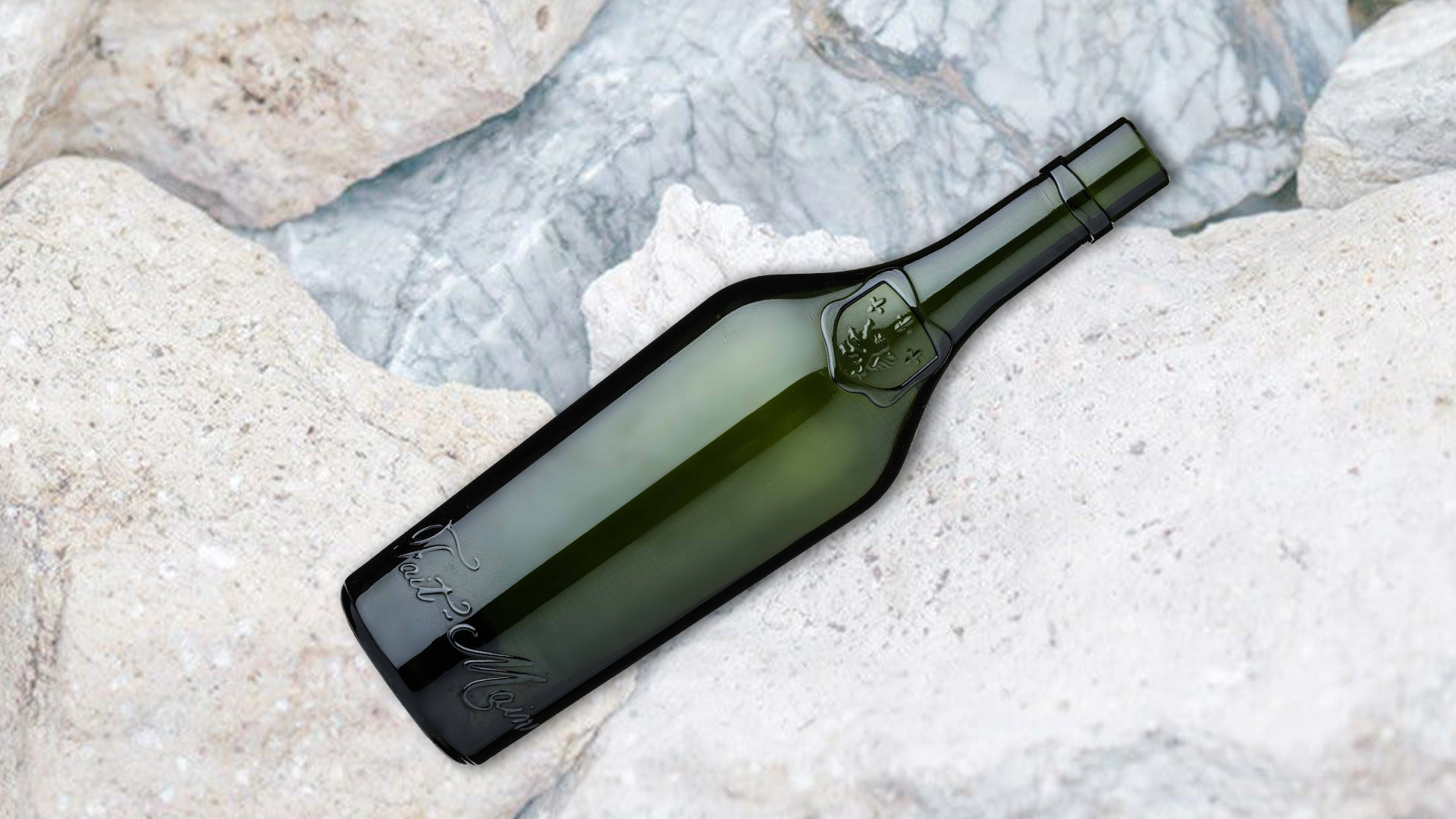
A more recent challenge was our collaboration with winemaker Benoit Touquette, who sought to recreate the extraordinary elegance and charisma of a 170-year-old bottle recovered from an 1850s shipwreck. To capture this “silent narrative of heritage” and balance the gravitas of a collector’s item with an “accessible piece of art,” we employed a level of industrial artistry. In a strategic move virtually unheard of in standard glass manufacturing, we invested in three distinct sets of molds for this single design. This allowed us to introduce intentional, designed imperfections, such as subtle variations in neck height and cartouche positioning, ensuring no two bottles are completely identical.
By balancing engineering asymmetry with hidden symmetrical points, we replicated the warm, authentic personality of a handmade vessel while keeping it technically sound for global distribution. Finished with tactile signatures like the sculpted Coat of Arms of Lyon and “Fait Main” base embossing, the resulting bottle creates an unforgettable brand memory in the consumer’s hand.
Exemplary Service and Reliable Sourcing
We understand that shipping delays and supply chain volatility can devastate bottling schedules. That is why over the years we’ve worked hard to establish ourselves as an embedded partner rather than just a transactional vendor. In our two decades of business, we have built a robust local supply chain, maintaining extensive stock across a broad network of local warehouses in California, Oregon, and North Carolina. This strategic footprint guarantees that both boutique and large-scale wineries and distilleries have rapid, reliable, and straightforward access to premium glass, providing a swift route to market.
Experience That Performs Under Pressure
As Global Package celebrates its 20th anniversary, Erica Harrop is also taking on another milestone: competing in the 2026 Pacific Cup, a 2,100-mile offshore race from San Francisco to Hawaii. Success offshore isn’t about avoiding challenges. It’s about preparation, technical expertise, adaptability, calm decision-making, and solving problems when conditions change.
Those same qualities have shaped Global Package from the very beginning. Whether engineering a custom bottle, navigating complex supply chains, managing global factory relationships, or helping clients bring ambitious packaging concepts to life, Erica and her team have built a reputation for finding solutions where others see obstacles. It’s this combination of structural engineering expertise, technical knowledge, trusted factory partnerships, and unwavering commitment that has earned the confidence of wineries, distilleries, and beverage brands for the past two decades.
You can follow Erica’s journey on instagram and on substack.
Looking Forward to the Next Twenty Years
As we raise a glass to celebrate this remarkable milestone, we extend our heartfelt thanks to the wineries, distilleries, and industry partners who have trusted us with their brands over the past twenty years. The glass industry will continue to evolve, but our commitment to sustainability, premium design, technical excellence, and exceptional service remains unchanged.
We look forward to partnering with you over the next twenty years, transforming creative visions into beautiful, functional packaging that helps brands stand out for generations to come.
If you have something in mind or want to explore what’s possible, please contact our team with any queries. Fill out our contact form, email us at sales@globalpackage.net, or call +1 707 224-5670.

It’s time to think outside the box, here are Global Package’s techniques to improve your wine packaging. But, why is packaging for wine important, you ask? With the increase of “unboxing reveals” across social media and the fierce competition for on-shelf dominance in the wine industry, packaging has become crucial to gain a marketing advantage. Your customers will not only anticipate the quality of your beverage by the label and bottle design but also by the packaging (or lack thereof) your product is in.
What Is Wine Packaging?
Packaging means so much more than just the bottle, and in this case when we are specifically referencing outer packaging, can also include wooden boxes, decorated gift boxes, wine totes, gift bags, storage containers, and more. Outer packaging has three main functions: to enhance the branding, add prestige, and keep the wine safe during transport and delivery. The packaging often includes a brand’s name, logo, colors, and messages about the product. It helps differentiate from competitors, facilitating a sense of brand loyalty among consumers. Wine packaging adds a sense of prestige through premiumization; the simple addition of a presentation box can emphasize the superior quality and exclusivity of your brand, encouraging the purchase of your product whether for gifting and special occasions, or exhibition.
Effective Wine Packaging Techniques
As is the nature of trends, the wine sector is not immune to changes in packaging styles and materials. Here are five techniques that are designed to improve your wine packaging:
1. Make Use Of Eco-friendly Packaging
Consumers are increasingly concerned about the environment and are preferring to purchase from brands that are environmentally friendly. Over the years, there has been a market shift to sustainable wine packaging, precipitated by consumer and public attitudes towards eco-friendly practices.
Eco-friendly packaging reduces the carbon footprint caused by packaging production, as it is made from recycled materials, or materials that release less carbon during production. Adopting these practices will minimize your brand’s impact on the environment. So, not only is there a benefit for consumers, you’ll feel good contributing to the caretaking of the environment too!
2. Adopt Custom Packaging
First impressions matter, especially with product packaging. According to research, about 72% of American consumers’ purchase decisions are influenced by packaging designs. Serious-minded business owners invest time and resources in branding. Good, customized packaging will be eye-catching, helping your product stand out among other brands, which will help to improve sales.
We provide customizations for our glass bottles–both wine and spirits– to increase the visual appeal of your product including unique bottle lines, embossed elements, the use of silk-screening direct to glass, as well as the ability attach medallions and other materials to your packaging.
Global Package offers custom single gift boxes in both folding carton and rigid box styles. Both types of boxes can:
Display beautiful embossing and foil stamping
Allow for high-quality of printing
Be made from sustainable, recycled materials
Make a commitment to the strong quality of your product and invest in your success with Global Package’s custom packaging.
3. Use Packaging Innovation
There are several recent innovations in wine packaging that are gaining popularity in the industry. Adopting some of these techniques can make a lot of difference to your brand. Some of these packaging innovations include:
QR codes that link to further practical information, such as the production, expiry, and other important information about the wine.
A double insulation feature within the bottle that keeps the wine cool.
Customized and personalized packaging.
Mobile apps that can be connected to the wine bottle to learn more about the winemaker or brand.
4. Don’t Be Afraid To Break All The Rules!
While many wine brands follow a traditional path with their packaging, some of the most successful brands break the rules to stand out from competitors. Traditional wine bottle styles are impressive and have their own appeal, but trying a new unique design will differentiate your wine from the several others in the market and make it recognizable.
When it comes to wine packaging, you can be as creative as you like.
5. Go For A Unique Bottle Shape
One way to achieve a unique design is to choose a bottle shape that differs from traditional designs, as it will undoubtedly attract the eye. It is important, however, that the bottle still retains its basic functions: protecting and preserving the wine.
The Impact of Improving Wine Packaging
Ensuring that your wine and packaging stand out from the crowd is a worthy investment. Improving your wine packaging affects your business in several positive ways, including:
Increases Customer Interest
There is no denying that the market for wine is saturated with competition for brands and choices for consumers. With many brands fighting for the same customers’ attention, unique wine packaging helps grab customers’ interest as they scan through rows of wine in a store. Consumers tend to be attracted to distinct and outstanding features, so improving your wine packaging with Global Package will increase customers’ interest and sales.
Heightens Brand Value
The packaging, not the taste of the wine, will most often be the first impression made on a consumer. When utilizing premium cues, it can heighten the perception of value, which can be a consideration when it comes to creating a pricing strategy. Thus, packaging can inform and enhance the perceived value and quality of a product.
Promotes Brand Recognition
Certain brands are known for their distinctive packaging, making them easy to recognize among their peers. Therefore, creating unique wine packaging leads to recognition, and customer loyalty becomes easier to gain when your wine is recognized.
Serves As A Marketing Tool
Wine packaging can be a powerful marketing tool connecting you to your target audience. It helps consumers relate to you, even after the wine has passed a consumer taste test, and can be designed in specific ways that appeal to your target audience.
For example, you can create bolder and more fashionable wine packaging when targeting younger customers, while more classic packaging may be more suitable for older customers. This way, your potential customers are more likely to make frequent purchases and tell others about your product.
The Bottom Line
When executed well, wine packaging can increase business growth, promote brand recognition, and serve as a powerful marketing tool.
At Global Package, we are here to help you. Our experience as a professional packaging company, specializing in wine and spirits, can make your packaging effective and successful. We have strategic alliances with innovative suppliers, designers, and marketing collaborators both domestically and internationally. With more than 30 years of experience, we are well-equipped to help improve your brand’s packaging to make those first impressions count. Located conveniently in California, United States, we assist both local and international brands. Get in touch with our experienced team for your next packaging project.
Packaging is the First Touch Point a Consumer Has With Your Brand
Whether it’s an experienced consumer or someone buying their very first bottle, the appeal of your product is founded on the use of well considered glass packaging and label design. While these must be authentic to your brand and winery, it is critical to stay up to date with trends in the wine industry. If you want to effectively catch the attention of your target market, you should consider these 5 things about your wine packaging for your upcoming vintage and beyond.
A wine bottle (and its packaging) is the first touch point that a consumer has with your brand. Thoughtful consideration of every aspect of your wine packaging allows you to communicate your brand identity, provenance, product information, and the rationale behind the product in a way that is meaningful to your target audience.
A customer looks at a shelf, they choose a wine variety, such as a cabernet, but they are an inexperienced consumer and have little wine knowledge that can help them choose further than that.
So, where do customers look now?
To glass packaging, and to label design. These two elements can make a bottle stand out when faced with a continually growing and expanding plethora of options. When done well, they can generate intrigue, effectively convey your brand story to the consumer, and encourage engagement with your product.
5 Ways To Make Your Wine Bottle Speak To Your Target Audience
In an ever-changing consumer environment, here are 5 considerations that will assist you in accounting for consumer preferences, and provide you an outlet to convey your brand effectively to the market.
1. Value-Driven Wines
Consumers are looking for quality wines at a lower price point. One way to communicate better value to the consumer is through a compelling brand story, and premium cues in the wine labels and packaging. We have many different stock wine bottles, providing an effective and straightforward way of obtaining glass wine bottles. This is a perfect opportunity to engage with your more inexperienced customers who are looking for consistency and quality, but often at lower price points.
2. Minimalist Designs
When executed well, minimalist designs convey an element of elegance and luxury. It can represent a certain beauty and character of the wine, and that sometimes simplicity is best when consumers can be confused by wine jargon. Choosing a wine bottle style is important, in order to complement the minimalist design and provide a consistent look with your label and branding.
3. Price
While some consumers are looking to spend less for their wine, the market is now becoming millennial-driven, and high-income millennials are expected to become the largest segment of wine consumers.
One impact that the wine industry is seeing post-Covid is a higher spend from customers, and millennial consumers in particular have a desire to splurge, but on fewer, higher-quality products. Putting consideration into how you can communicate sophistication and elegance through your bottle packaging is key. Heavier, more luxury bottle designs will appeal to this segment of consumers who are willing to spend more on discretionary items and experiences, matching the quality of the wine inside.
4. Modern Wine Labels
With the shift of wine consumers to millennials comes a significant market opportunity to modernize the industry. There is a trend towards contemporary styled labels – more progressive in design, attention to detail in finishes, and an increase in ‘discoverable’ elements for the customer to explore. Consumers are taking their visual cues from the quality of the label design, as well as other quality cues such as the winery, region, or variety. A modern design will communicate a more appealing product to certain consumers, particularly with wines at a higher price point.
5. A Return to Retail
While there is no doubt that the direct-to-consumer e-commerce industry is going strong, it is still important to invest in a good experience for retail shoppers. It is important to stay relevant to the consumer across multiple touch points. As the pandemic slows down, and consumers are becoming less concerned about staying home, retail shopping is starting to increase.
Consumers enjoy the experience of going into a physical retail store and physically browsing through the range, thus it is important for your wine to have shelf appeal. This can be done through attractive labels, both in sight and touch. Texturizing the label is an innovative way to catch the eye of consumers, and if the label feels good quality, consumers will think the wine is too.
Global Package Stocks Trending Glass Packaging Brands
Elegant Light Line™
The Elegant Light Line features a sophisticated and confident design with accentuated curves and graceful neck styling that give the bottles a classic and timeless style. Influenced by the European style of bottle-making, our Elegant Light Line wine bottles will suit any wine.
Local Stock Bottles
Global Package understands the beauty of simplicity. We provide easy access to an attractive range of stock bottles for wine, spirits, and other products with ample local stock maintained in our California, Oregon, and North Carolina warehouses, giving you an effective, straightforward, and rapid route to market for your brand.
International Sourcing
These bottles, which feature high-quality designs and an ultra-premium presentation, are produced by factories exclusively in Europe. They are available in a range of glass colors and shapes, with unique bottle finishes.
Specialty Sommelier
Our Sommelier specialty bottles are of a different class of wine bottle. These bottles feature an anti-drip ring around the mouth, preventing drips when pouring the wine. These glass bottles are heavier than other options, thus providing a high-end, premium feel.
Specialty Wild Glass
If you need your wine brand to balance responsibility and care for the environment with the desire to run wild and free, this is the wine bottle for you. Made with recycled glass and a sustainable manufacturing process, our Wild Glass specialty bottles feature natural imperfections that make them unique and beautiful.
Specialty Doble Alto
Our Doble Alto specialty bottles are a luxurious execution of aesthetic and style. The bottles have a double base, which gives them an expensive and deluxe look. The wine bottles are also available in a range of finishes, including color gradation, magnifying glass effect, and coating at the bottom.
Custom Wine Bottles
In addition to all of the aforementioned categories, we also supply customized wine bottles based on your specific instructions and requirements. To truly integrate your packaging into your brand aesthetic, we can customize wine bottles into any shape or design you choose. Our knowledgeable team of experts are on hand to guide you through the whole process of creating the perfect custom wine bottle—from design through to production.
How can Global Package Help?
At Global Package, we are committed to helping you choose the best packaging for your wine brand. We offer outstanding and innovative packaging solutions for your winery, ensuring your product is packaged the way you want it.
Achieving your desired wine packaging is hard. It is also hard to communicate your brand the way you want to consumers, while also keeping on top of upcoming wine trends. At Global Package, we are here to help you choose the right bottle design, and are here every step of the way. We have a comprehensive portfolio of wines so we can meet both your budget and expectations. Get in touch with our experienced team for your next packaging project.
The global shift toward sustainability is palpable across nearly every sector. Within the wine and spirits industries, this movement has gained remarkable traction, driven by consumers’ increasing demand for environmentally responsible products. 2026 brings about more pressure for industry to put sustainability at the center of all operations, but also provides opportunities for businesses to flourish by staying ahead of the trends in innovative and sustainable advancements. Here are four sustainability trends to keep an eye on in 2026:
Regenerative practices for wine and spirits
Recent years have seen a boom in conscious agricultural practices through the philosophy that all aspects of agriculture are connected. This philosophy emphasizes the careful utilization of land management to restore and regenerate the ecosystems and land we use, leaving it in better health for future generations.
Regenerative principles are a push back against traditional industrial agriculture practices which are responsible for almost one third of the world’s carbon emissions. Regenerative practices promote climate resilience, ecosystem preservation, soil regeneration, and more. But it goes beyond climate impact, having personal and regional economic, community, and mental health benefits as well.
The wine industry has begun paving the way for establishing regenerative principles, labeled regenerative viticulture, and are reaping the benefits alongside growing consumer awareness and support for the move. Wineries are able to show a genuine commitment to putting the planet and people at the forefront of operations. But the principles can be applied to all forms of agriculture, and it is only a matter of time before regenerative practices become commonplace within the spirits industry as well.
Carbon offset vs reduction in the wine and spirit industry
It’s out with carbon offsetting and in with carbon reduction measures for 2024. Credit and offsetting of a company’s carbon emissions has been considered a simple solution to a complex issue for decades. But experts suggest that this isn’t enough to curb the environmental impacts.
Attitudes towards credits and offsetting have begun to change as they are seen as a way for companies to deflect any impactful behavioral changes towards reducing their carbon footprints. Offsetting carbon emissions should only be considered a last resort and cannot replace tangible efforts to reduce carbon emissions towards net zero.
An organization’s carbon footprint can be reduced through the careful consideration of all areas of operation that contribute to the production and distribution of the product. At Global Package, we considered the environmental impact of our products and have measures in place to reduce the carbon footprint of our customers. We hold a large variety of domestic bottles within our expansive network of warehouses in California, Oregon, and North Carolina, which limits the freight distance, thus limiting the carbon footprint attached to the bottles. This gives you easy access to our attractive range of wine and spirit bottles, with ample quantities available to suit your particular needs, without the extra carbon attached.
Read more about our collection of locally stocked wine and spirit bottles.
Lightweight glass bottles for wines and spirits
One method gaining momentum in the effort to reduce carbon emissions within the wine and spirit industry is the adoption of lighter-weight bottles. This approach not only offers a reduction in transportation costs, but also significantly contributes to reducing the carbon footprint associated with transport of wine and spirit packaging. By utilizing lighter-weight bottles, businesses can effectively decrease the energy required for transportation, thereby lowering greenhouse gas emissions generated during shipping.
Global Package offers a stylish line of Elegant Light bottles. These bottles are specifically designed to be lighter in weight, resulting in both more economical and ecological shipping practices. Available in a variety of classical shapes and colors, our Elegant Light collection includes options for both wine and spirits. Despite their reduced weight, these bottles maintain the integrity and timeless elegance of traditional glass bottles. Through innovative design and materials, our Elegant Light bottles represent a sustainable solution for packaging needs in the wine and spirits industry, aligning with the overarching goal of reducing carbon emissions and promoting environmental stewardship.
Read more about our Elegant Light Line of wine and spirit bottles.
Wine and spirit climate regulations and reporting
Governments around the world have begun considering and implementing mandatory climate reporting for business. This will increase the transparency and visibility of the impact organizations are having on the planet and will have serious implications for how an organization is viewed by the public. It is a step towards eliminating greenwashing and provides opportunities for organizations who have sustainable practices at the core of their operations to leverage their positive impact.
Global Package LLC, has a long history of working with glass manufacturing partners around the world who are leading efforts in sustainability. Striving to be among those who led efforts in easing the environmental concerns of our industry, we have developed our own innovations in glass manufacturing to aid in the reduction of our clients impact on the environment.
Read more about our sustainable wine and spirit packaging.
Sustainable glass packaging manufacturing
Sustainable manufacturing for glass packaging plays a crucial role in the overall sustainability efforts of the wine and spirits industry. While agricultural practices certainly have a significant impact on sustainability, it’s essential to recognize that not all resources are renewable or can benefit from regenerative practices.
The standard production of glass requires substantial amounts of raw materials – primarily sand, soda ash, and limestone amounting for 95% of the raw materials used in typical glass production. This reliance on raw materials underscores the importance of incorporating recycled materials into the manufacturing process.
Recycled cullet is a key component in sustainable glass production. For every kilogram of recovered glass used in manufacturing, approximately 1.2 kilograms of virgin raw materials are saved. Moreover, the integration of recycled cullet into the production process yields significant energy and emissions savings. For every 10% of recycled cullet used, there is a 2-3% reduction in energy consumption and a 5% decrease in CO2 emissions. This means that for every six tons of recycled glass utilized, one ton of CO2 emissions is offset, highlighting the environmental benefits of cullet utilization.
At Global Package, sustainability is at the forefront of our manufacturing practices. Our green & antique glass utilizes 90% cullet, while our amber glass incorporates 80% recycled material. Additionally, our flint glass contains 65% cullet, further reducing our reliance on virgin raw materials. Notably, our Wild Glass collection boasts close to 100% cullet content, exemplifying our dedication to sustainable glass packaging manufacturing.
By prioritizing the integration of recycled cullet and embracing sustainable manufacturing practices, the wine and spirits industry can minimize its environmental footprint and contribute to a more sustainable future.
Wine and spirit sustainable packaging
Recycling and waste reduction has been a staple in sustainability efforts for years with packaging reflecting consumers and businesses desire to reduce environmental impact without sacrificing quality. The wine and spirit packaging industry experiences new innovations, technological advances and trends every year.
In 2024, we’re seeing changing perceptions about boxed wine in an effort to use more sustainable materials, and the move to glass bottles that are manufactured from 100% PCR glass. PCR, which stands for post-consumer recycled content, is reclaimed glass from the end-user that has been crushed, melted down and used again. The glass recycling cycle can be repeated endlessly without damage to the end product. That makes glass a so-called permanent material, unlike plastic whose recycle life has limitations.
Global Package’s beautiful and sustainable Wild Glass line of bottles has become widely popular in the US and international market. 100% of the Wild Glass material is PCR glass or cullet glass sourced from recycling programs, and its production method reduces energy use and CO2 emissions.
These bottles are 100% recycled glass bottles that are one-of-a-kind, since slight imperfections in the natural formation of the glass are allowed to remain, while retaining all the manufacturing positives of automated glass, much like organic handmade art. This results in fewer discards (from 25% to 10%), since the cosmetic (aesthetic) defects are accepted as part of the organic beauty of the glass, so less glass is wasted.
All Wild Glass bottles retain the manufacturing standard and structurally soundness of traditional bottles yet, no bottles are discarded for having aesthetic defects. This means that bottles that would usually be classified as rejects, are used and celebrated. This efficiency creates a more sustainable supply chain.
Explore our collection of Wild Glass by Estal today.
At Global Packaging, we aim to provide our customers with the highest level of innovation and sustainability through our wine glass bottles and spirit glass bottles. Using recycled materials, lightweight bottles, and having shorter import distances, can all work towards reducing wine and spirits packaging environmental impact.
Explore our glass wine bottle and our glass spirit bottle collections.
About Global Package
Global Package supplies high-end glass bottles to the wine and spirits markets across North America. Sourcing bottles from Europe, Asia and domestic markets, Global Package has an esteemed portfolio of bottles and packaging, specializing in sourcing and supplying glass, bottle customization, and speciality sourcing for small to large projects ensuring your product is presented affordably, effectively and professionally. Global Package has strategic alliances with innovative suppliers, designers and marketing collaborators both domestically and internationally, as well as stock across a local network of warehouses ready for dispatch.
Please contact our team with any queries you may have about our products or services. Fill out our contact form, email us at sales@globalpackage.net, or call us on +1 707 224-5670.
We’ve worked across custom bottle projects for wine and spirits long enough to see where they break. Most brands assume failure happens at retail. In practice, it’s set much earlier, during design, tooling, and production planning.
A concept gets approved on visual appeal. It signals quality, ambition, and brand intent. Then the friction starts. Sampling reveals inconsistencies. The bottle doesn’t behave on a filling line. Freight costs climb. By the time these issues surface, timelines have shifted and margins are under pressure. Custom glass is not a surface-level design exercise. It is an engineered outcome. The brands that succeed treat it that way from the beginning, aligning design ambition with production reality.
At Global Package, we support that process end to end. From initial sketch through to final delivery, we work across quoting, design, mould development, manufacturing, quality control, decoration, and supply. That continuity is what prevents early-stage decisions from becoming late-stage problems.
Custom Wine Bottles Custom Spirit Bottles
Mold Tolerance
Tolerance in glass manufacturing is exacting. Small deviations in mold machining affect how glass distributes during forming. That influences wall thickness, weight balance, and the precision of the neck finish.
These factors are interdependent. A slight shift in the neck finish can affect closure performance. Variations in wall thickness can lead to structural weakness or visual inconsistency. What looks acceptable on a drawing can fail under production conditions.
The consequence is reduced yield, rework, and delayed timelines while tooling is corrected. We mitigate this by validating mould feasibility early, running structured sampling, and refining designs before full production. It ensures the bottle performs as intended, not just visually, but mechanically.
Cooling Distortion
Glass continues to move as it cools. Designs with asymmetry, sharp transitions, or uneven wall sections are more prone to stress during this phase.
That stress shows up as warping, dimensional variation, or inconsistency between batches. Over volume, those small shifts become significant. Bottles fall outside specification, fail quality checks, or create instability on automated lines.
This is where design intent needs to be grounded in material behavior. We assess how a bottle will cool as part of the design process, not after it. Balanced geometry, or controlled complexity where required, reduces risk and keeps production consistent.
Line Compatibility
A custom bottle must work within real production environments. Filling lines, labelling machines, and conveyors all operate within defined tolerances.
When a design falls outside those parameters, performance drops. Bottles may tip, jam, or require manual handling. Labelling becomes inconsistent. Throughput slows. At that point, brands are forced into compromise. Modify the line, accept inefficiency, or revisit the design. Each option carries cost and delay.
We avoid this by aligning designs with line requirements upfront. That includes validating base dimensions, stability, and label application surfaces against actual equipment. It ensures the bottle moves through production as efficiently as it looks on shelf.
MOQ Planning
Minimum order quantities are driven by how glass is produced, not by how brands prefer to order. Production lines are optimized for volume. Short runs increase unit cost and disrupt scheduling. If demand forecasts do not align with these constraints, brands either overcommit to inventory or accept reduced margin.
Both outcomes limit flexibility. Excess stock ties up capital. Higher unit costs erode profitability. In some cases, design decisions are scaled back to meet MOQ realities.
Our role is to align design ambition with production scale early. That includes advising on feasible volumes, cost structures, and supply planning so the commercial model holds as the project moves forward.
Freight Efficiency
Bottle design has a direct impact on logistics. Shapes that look distinctive can be inefficient to pack, reducing pallet density and increasing freight cost per unit.
Excess headspace, irregular forms, and poor weight distribution all contribute. The result is higher shipping costs and increased risk of breakage in transit. This is not a one-off cost. It applies to every shipment. Over time, it has a measurable impact on margin.
We factor freight into the design process, assessing how bottles will pack, stack, and move. Efficient geometry and considered packaging configurations improve density and reduce ongoing cost without compromising brand presentation.
Form and Function
A bespoke bottle is a powerful brand signal. It communicates quality and intent before the product is even opened. That value depends on usability.
Grip, balance, and pourability all influence how the bottle performs in real settings. A design that is difficult to handle or control creates friction, particularly in hospitality environments. Label space is another constraint. Regulatory requirements and brand storytelling both need room to work. These elements need to function together. A bottle can carry embossing, silk-screening, medallions, or unique finishes, but it still needs to be practical to use, label, and display.
We approach this as part of a broader customization strategy. From custom molds and embossing through to decoration and finishing, every detail is considered in the context of how the bottle will perform from production line to end user.
The Common Thread
Most failures come down to separation. Design is treated as one phase, production as another. That gap introduces risk.
Projects that succeed integrate both from the start. Design decisions are informed by mold feasibility, line compatibility, and logistics. Sampling and validation are built into the timeline. The result is a bottle that delivers on brand ambition and operational performance.
Custom Wine Bottles Custom Spirit Bottles
Before You Start Your Next Project
Global Package supplies high-end glass bottles to the wine and spirits markets across North America. We source from Europe, Asia, and domestic partners, giving brands access to an established portfolio alongside fully customized solutions. Our team manages the full process, from concept and mold development through to manufacturing, decoration, quality control, and delivery, ensuring each project is executed with precision and consistency.
With established relationships across innovative suppliers, designers, and production partners, we support projects of all scales, from small runs to large-volume programs. Our network of local warehouses also enables efficient supply and timely dispatch, helping brands stay on schedule without compromising on presentation.
If you are planning a custom bottle or reviewing an existing concept, we recommend engaging early. Our team can assess your design for production readiness, identify potential risks, and guide the process to ensure your product reaches the market as intended.
Please contact our team with any queries about our products or services. Fill out our contact form, email us at sales@globalpackage.net, or call +1 707 224-5670.